
Table of Contents
For decades, the advice on preventing heart disease has swung from one extreme to another: eat margarine, no, eat butter; avoid eggs, then eggs are fine. It’s enough to make your head spin. But the more research piles up, the clearer one thing becomes: the best protection for your heart isn’t a single magic ingredient. It’s a repeated pattern of eating built around a handful of foods that show up again and again in the science. These are the heart healthy foods that deserve a permanent spot on your plate.
What Does “Heart Healthy” Actually Mean?
Before you start reorganising your weekly shop, it helps to understand what these foods are actually doing. Heart-healthy eating is generally designed to do four things: lower LDL (the “bad” cholesterol), reduce blood pressure, keep blood sugar steady, and tame inflammation. It’s not about being perfect at any one meal. It’s about the cumulative effect of breakfasts, lunches, and dinners that line up in your favour.
In practical terms, that means favouring whole foods over ultra-processed ones, and making sure each plate has a mix of fibre, protein, and unsaturated fat. Many of the foods in this guide also show up on any good anti-inflammatory foods list, and that’s no coincidence. Chronic low-grade inflammation is a known driver of arterial damage, and choosing foods that calm rather than provoke that response is one of the smartest things you can do for your cardiovascular system.
The Best Heart Healthy Foods, Grouped by What They Do
There’s no single “miracle food,” but certain groups consistently show up in heart research. Here’s what you should be eating, and why.

Omega-3-Rich Fatty Fish
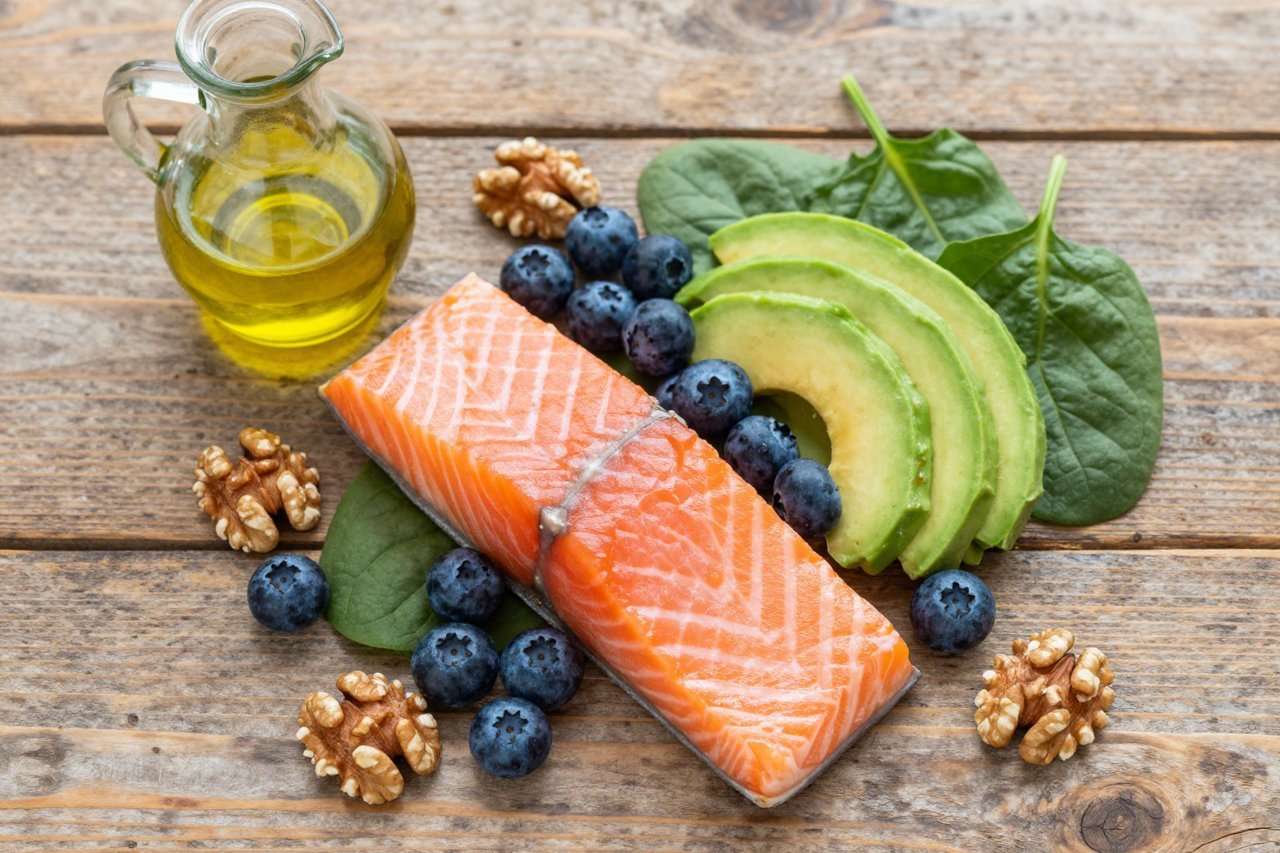
If you had to rank heart healthy foods, salmon, mackerel, anchovies, sardines, and herring would sit near the top. They’re packed with EPA and DHA, two long-chain omega-3 fats that help lower triglycerides, reduce blood pressure slightly, and make your blood platelets less sticky. The American Heart Association recommends at least two servings of fish per week. A 100g portion of cooked salmon gives you around 2.2g of omega-3s, which is more than most people get in a week. If you don’t eat fish, your options are a bit trickier: plant-based omega-3s from walnuts and flaxseed are easy, but your body only converts a small fraction of those to EPA and DHA. So if you can, make fish a regular part of your rotation.
Leafy Greens and Cruciferous Veggies
Spinach, kale, swiss chard, broccoli, and even beet greens are loaded with nitrates, which your body turns into nitric oxide. That molecule helps relax blood vessels, which can nudge blood pressure downwards. These greens are also rich in potassium, a mineral that helps your kidneys flush out excess sodium. You don’t need to eat a bushel; just get at least one or two big handfuls of leafy greens into your day. Pop them in a smoothie, sauté them with garlic, or pile them high under a piece of fish.
Whole Grains That Feed Your Arteries
Oats, barley, quinoa, brown rice, and whole-grain bread all deliver soluble fiber, the type that binds to cholesterol in your digestive tract and helps escort it out of your body. Oats are the poster child: 3g of beta-glucan a day can lower LDL by about 5-7%, which is a meaningful number for something as simple as breakfast. Whole grains are also right at the top of any list of foods high in fiber, and you don’t have to eat a mountain of them to notice the effect. Simply swapping white rice for barley, or choosing oats instead of sugary cereal, is enough to move the needle.
Berries and Other Deep-Colored Fruits
Blueberries, strawberries, blackberries, cherries, and even red grapes are dense in anthocyanins, the pigments that give them their deep colour. These polyphenols help improve the function of your endothelium (the lining of your arteries) and may slow the progression of artery hardening. It doesn’t take much: a handful of berries most days is a good target. Fresh or frozen both work, and frozen berries are often more affordable. There’s a lot of overlap here with what nutritionists actually call superfoods, but the real value is in consistency, not in expensive powders or exotic extracts.
Nuts, Seeds, and Avocados (the Good Fats)
Almonds, walnuts, pistachios, flaxseeds, and chia seeds all offer unsaturated fats that support heart health. Walnuts are especially rich in ALA, a plant omega-3. Avocados bring monounsaturated fat and potassium to the table, and a 2018 study in the Journal of the American Heart Association found that swapping some carbohydrates for avocado actually lowered LDL. Just be mindful of portions: a small handful of nuts (about 30g) or half an avocado is a good single serving.
Beans and Lentils (the Underrated Champions)
Black beans, chickpeas, kidney beans, and red lentils are cheap, shelf-stable, and packed with soluble fiber and plant protein. A 2019 analysis in the Canadian Medical Association Journal found that eating one daily serving of legumes led to a 5% reduction in LDL cholesterol. That may sound modest, but when you add it to the rest of a heart-supporting diet, it compounds. Toss them into soups, salads, or grain bowls. They’re also one of the easiest ways to stretch ground meat further and cut down on saturated fat.
Olive Oil and Herbs
Extra-virgin olive oil is the backbone of the Mediterranean diet, and for good reason. It’s rich in polyphenols and monounsaturated fats, and a 2022 systematic review linked it to lower rates of cardiovascular disease and stroke. Use it as your primary cooking fat and for salad dressings. Herbs and spices play a supporting role too: garlic, turmeric, black pepper, and smoked paprika all add flavour, which makes it easier to cut back on salt without feeling deprived.
If you’re wondering what to stock up on, here’s a short heart healthy foods shopping list:
- Oats, barley, or other whole grains
- Spinach, kale, or frozen leafy greens
- Blueberries or raspberries (fresh or frozen)
- Salmon, sardines, or mackerel (tinned is fine)
- Almonds, walnuts, or pumpkin seeds
- Extra-virgin olive oil
- Canned beans, chickpeas, or lentils
How to Turn These Heart Healthy Foods Into Real Meals
Knowing what to buy is only half the battle. Here’s how to make it taste good enough to eat every day.
Breakfast
Start with a bowl of oats topped with berries and a spoonful of ground flaxseed. Or go savoury: scrambled eggs with spinach and a slice of whole-grain toast. There are plenty of healthy breakfast ideas that are fast, simple, and actually delicious, and most of them lean on the same heart-friendly staples you’ve just bought.
Lunch and Dinner
A reliable formula is a palm-sized portion of protein, a big pile of vegetables, and a small serving of grain. Grilled salmon with a spinach salad and quinoa. A lentil soup with a drizzle of olive oil. Or a black bean and avocado wrap with a handful of rocket. Tinned fish (sardines or mackerel) makes an easy no-cook lunch when you’re short on time.
Snacks
Swap biscuits for a small handful of almonds and a square of dark chocolate. Or slice up some carrots and dip them in hummus. The key is to have something planned so you don’t reach for the nearest packet. Most of the options in that guide to healthy snacks that actually keep you full are built around the same heart-smart ingredients.
Simple Swaps That Steer You Toward Heart Health
You don’t need a full kitchen reset. These small, practical swaps add up more than you might think:
- Butter → extra-virgin olive oil or avocado spread
- White bread → 100% whole-wheat or sprouted grain
- Sugary breakfast cereal → oatmeal with cinnamon
- Salt → lemon juice, garlic, or dried herbs
- Crisps → roasted chickpeas or unsalted nuts
Notice that none of these swaps require cooking classes, expensive supplements, or a juice cleanse. They’re just modest tweaks that redirect your daily intake in a better direction.
Heart-Healthy Eating Without the Stress
The most important thing is to avoid treating this like a punishment. A heart-friendly way of eating should be enjoyable, varied, and flexible. Fill your plate with colour at every meal, include a source of protein, and let the healthy fats do their job. If you slip up, it doesn’t matter. What matters is what you eat over weeks and months, not what happens at a single dinner. Frozen vegetables are just as nutrient-dense as fresh, tinned fish counts, and a bag of frozen berries is arguably better than out-of-season imported ones. Start with one or two of these heart healthy foods, build from there, and let your taste buds and your arteries both notice the difference.


