
Table of Contents
Choosing a pet for your child is one of the more exciting (and slightly terrifying) decisions a family can make. The joy on a kid’s face when they first hold a puppy or watch a fish dart across the tank is unforgettable. But the wrong match can mean chewed homework, forgotten feeding schedules, and a lot of stressed-out parents. The key is picking a pet that suits your child’s age, energy, and your family’s daily rhythm.
Here are the 7 best pets for kids that consistently earn their place in family homes.
What Makes a Pet a Good Match for a Child?
Before you introduce any animal to your household, it helps to have a clear idea of what makes a pet “good” for a child in the first place. No single species is right for every family, but the best options tend to share these qualities:
- Manageable size – Not so small that a young child can accidentally hurt them, and not so large that they’re difficult to supervise.
- Predictable temperament – A grumpy pet can quickly turn a fun learning experience into a stressful one.
- Reasonable care requirements – Something that fits into your family’s schedule without becoming a chore.
- Good lifespan – You want a pet that will be around long enough to build a bond, but not one that outlives your child’s interest.
- A safe interaction style – Ideally the pet enjoys being handled and won’t lash out easily.
With that in mind, here are seven animals that have earned a reputation as great options for kids.

The 7 Best Pets for Kids
1. Dogs: Energetic, Loyal, and Deeply Rewarding
Dogs top almost every family wish list, and it’s not hard to see why. They can read emotions, take part in adventures, and teach children about patience and empathy in a way few other pets can. That said, size and energy matter a lot when you’re choosing a family dog. A highly energetic herding breed may be too much for a shy toddler, while a giant, bouncy dog might knock over furniture. If you want a more mellow addition, start with the top 7 calm dog breeds for a stress-free home – they’re proven to be gentler around kids. On the other hand, some families prefer a more compact companion, and many of the best small dog breeds are also excellent with children, especially when they’re raised around them.
2. Cats: Independent, Affectionate, and Great for Older Kids
Cats make wonderful pets for families with children who can respect a few basic rules. They’re soft and loving, but they also need their own space. An older kid can learn how to approach a cat slowly, read its body language, and understand when to back off. Cats are also simpler to manage than dogs: no daily walks, and they use a litter box. If you’re looking for a breed known for a calm and tolerant personality, the 7 best cat breeds for families: loving, kid-friendly felines is a good place to start. Just keep in mind that every cat has its own personality, so it’s best to meet them before you commit.
3. Guinea Pigs: Social, Noisy, and Full of Charm
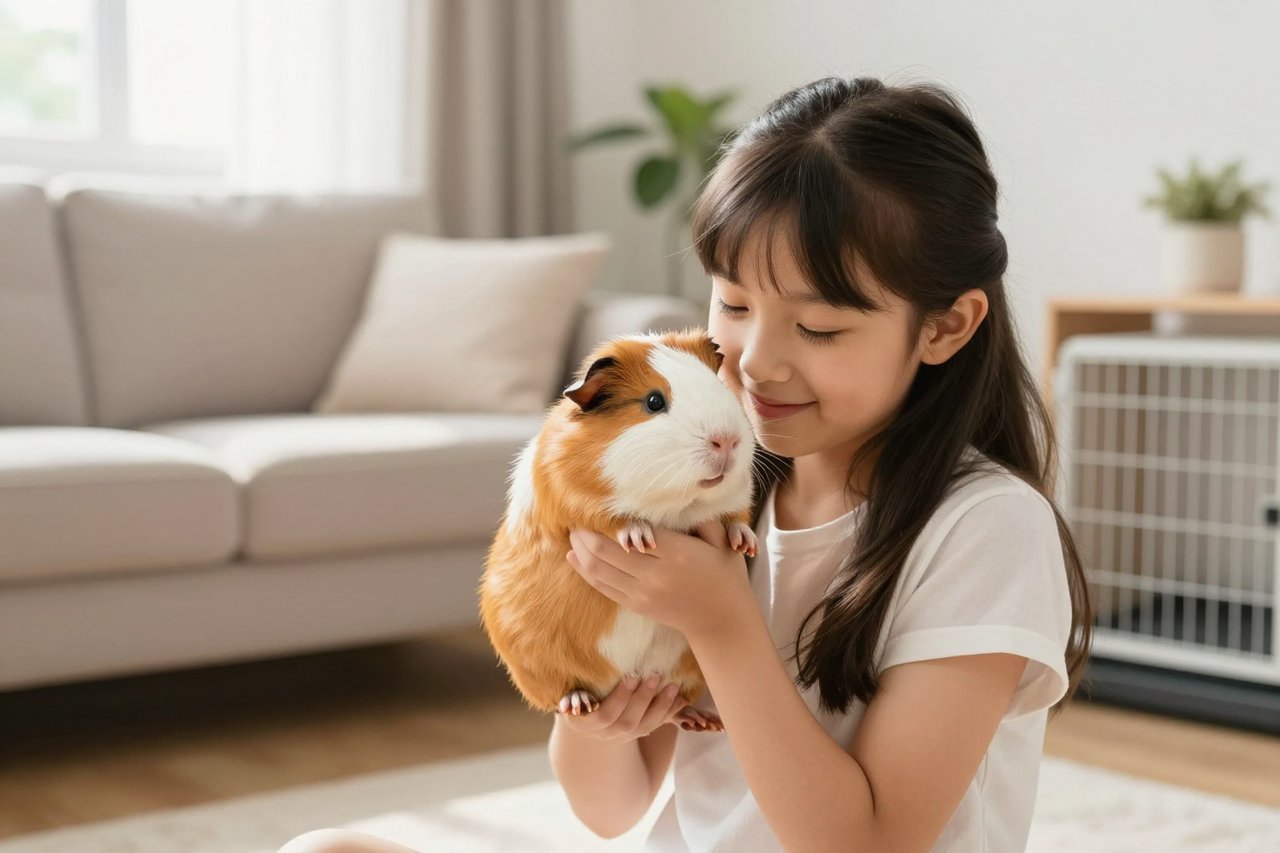
Guinea pigs are one of the most underrated family pets. Unlike many small rodents, they’re awake during the day and have gentle temperaments. They rarely bite, and their happy squeaks are genuinely fun to listen to. They also need social company – it’s generally recommended to keep at least two so they don’t get lonely. They do require attention to their diet, particularly vitamin C, and their enclosure needs regular cleaning. But for a child who wants something a bit smaller than a dog yet still interactive, guinea pigs are a brilliant fit.
4. Rabbits: Soft, Curious, and Best for Older Elementary Kids
Rabbits are incredibly endearing, with their twitching noses and powerful hopping skills. But they’re not beginner pets in the way many people assume. They chew on wires, need a carefully managed diet, and are often happiest when given free run of a rabbit-proofed room. They can be litter-trained, which surprises a lot of parents. Because they’re fragile and can panic if grabbed, rabbits are a better match for children around 8 years or older. If your child is ready for the commitment, a house rabbit can be a truly affectionate companion.
5. Hamsters: Tiny, Nocturnal, and Perfect for a First-Feeding Lesson
Hamsters are often the first animal that comes to mind when someone says ‘kid’s pet.’ They’re small, relatively inexpensive, and require less space than most other pets. However, they are largely nocturnal, so they’ll likely be curled up in a nest exactly when your child gets home from school. They can be handled during the day if you wake them gently, but they are easily startled. A hamster is best for a child who understands they need to be still and quiet. They’re also solitary – keep one per enclosure. For a child who can handle a more hands-off pet, a hamster is a fun, educational choice.
6. Budgies: Chatterboxes That Brighten a Room
Budgies, also called parakeets, are great for kids who like animals they can talk to. These small parrots are social, intelligent, and capable of learning a surprisingly large vocabulary. They live about 6 to 10 years, which is a more moderate commitment than a dog. They need daily out-of-cage exercise in a safe, preferably bird-proofed room, plus fresh food and water. A single budgie that gets plenty of attention can become very attached to its human. With supervision, a child can learn to step-stick train the bird and eventually teach it to perch on a finger – a genuinely special experience.
7. Fish: A Low-Stress Window Into Nature
An aquarium is the quietest option on this list, but it’s far from boring. The gentle bubbling of the filter and the flash of colour as fish glide through the water can be hypnotic. Fish don’t need walks or cuddles, but they do need regular water changes and careful feeding. Starting with a hardy species like a betta or a small school of neon tetras can be a strong introduction to biology. It’s a great way for a child to learn about habitats and responsibility without the pressure of holding a frightened animal.
A Few Questions to Ask Before You Bring a Pet Home
Even after narrowing it down to the 7 best pets for kids, the final choice depends on your specific circumstances. Ask your child (and yourself) a few practical questions: How much room does our home actually have? Who will walk, feed, or clean up after the pet on school days? Are we ready for a 10-year commitment or would a shorter-lived pet suit us better? These are the details that make or break the experience.
If you’re still weighing up different types, it can help to compare which animals are the most popular family pets – sometimes the reasons people love them are exactly what you’re looking for. And remember, adopting from a rescue shelter is usually a great route to find a pet that already has some known temperament history. Whatever you choose, the goal is a happy, safe, and fun relationship for both your child and the animal.


