
Table of Contents
It’s a phrase you may have heard in the doctor’s office or caught in a headline: fatty liver. If you’ve just been told you have it—or you suspect you might—it’s normal to feel a bit lost. The good news? Fatty liver is one of the most reversible liver conditions, especially when you catch it early. But only if you understand what it is and how treatment really works.
This is a beginner-friendly primer. No jargon, no unrealistic promises. Just the fundamentals you need to start taking action today.
What Exactly Is Fatty Liver?
Your liver normally contains a small amount of fat. When that fat builds up to more than 5–10% of the liver’s weight, it’s called fatty liver disease. For most people, this causes no symptoms at first, which is why it often goes unnoticed until a routine blood test or scan picks it up.
There are two main forms:

- Alcoholic fatty liver disease – triggered by heavy alcohol use.
- Non-alcoholic fatty liver disease (NAFLD) – the more common form, linked to excess weight, insulin resistance, high blood sugar, and high cholesterol. It’s now the world’s most common liver condition, affecting roughly 1 in 4 adults.
If the fat is accompanied by inflammation, it can progress to non-alcoholic steatohepatitis (NASH), which carries a higher risk of liver damage and cirrhosis. That’s why early treatment matters.
How Do You Know If You Have Fatty Liver?
Most people find out during a routine check-up. Your doctor might notice elevated liver enzymes on a blood test, especially ALT or AST. Then they’ll typically order an ultrasound to confirm fat deposits. In some cases, a FibroScan measures liver stiffness—a marker of fibrosis—to show whether damage is already occurring.
If you haven’t been tested yet, don’t assume you’re fine just because you feel okay. Fatigue, mild right-sided belly pain, or a general sense of being unwell can be subtle clues. But many people have zero symptoms. If you have risk factors like obesity, type 2 diabetes, or high triglycerides, ask your doctor specifically about fatty liver.
The Core of Fatty Liver Treatment: Lifestyle, Not a Magic Pill
Here’s the honest truth: there is no FDA-approved drug specifically for NAFLD. The most robust fatty liver treatment is lifestyle change. That doesn’t mean it’s easy—but it does mean you have more control than you might think.
Research consistently shows that losing about 7–10% of your body weight reduces liver fat, inflammation, and can even reverse early fibrosis. In fact, one study found that 9% weight loss was the threshold at which most people saw NASH resolve. So yes, your own efforts at the dinner table and in your sneakers carry enormous power.
If you want to see exactly what the science supports, our guide on what actually works to reverse fatty liver breaks down the evidence in plain terms.
How Much Weight Loss Do You Really Need?
Let’s make this concrete. If you weigh 200 pounds, aim for 10–20 pounds of weight loss over 3–6 months. That’s not crash-dieting—it’s sustainable, steady progress.
A good goal is to lose 0.5 to 1 pound per week. Faster weight loss can actually stress the liver and worsen inflammation. Slow and steady wins the race here. And you don’t need to reach a “perfect” weight. Even 5% weight loss can lower liver fat, but 7–10% gives you the best chance at real reversal.
Eating for a Fatty Liver: What to Put on Your Plate
No single “magic food” cures fatty liver, but the overall pattern makes a huge difference. The Mediterranean-style diet is the most studied and widely recommended approach. Here’s what that looks like in practice:
- Vegetables and fruits: Fill half your plate with vegetables, especially leafy greens, broccoli, and colorful options. Whole fruits (not juices) are fine for most people.
- Whole grains: Think oats, quinoa, brown rice, and whole-grain bread. These provide fiber that helps improve insulin sensitivity.
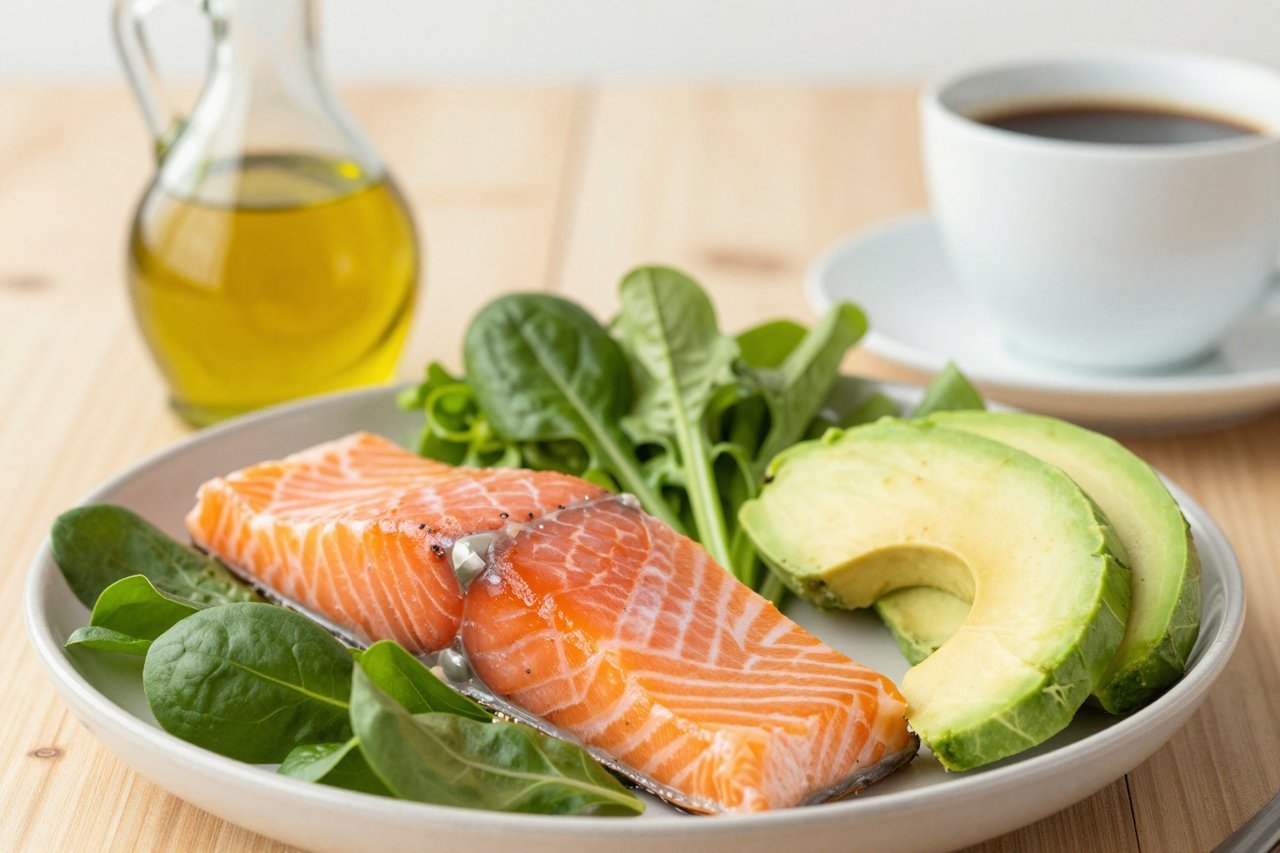
- Lean proteins: Fish, chicken, turkey, tofu, and beans. Fatty fish like salmon are especially good because of omega-3s.
- Healthy fats: Olive oil, avocados, nuts, and seeds. These reduce inflammation.
- Coffee: Surprisingly, several studies show that two or three cups of coffee daily may help protect the liver, even if it’s decaf.
What to cut back on? Sugary drinks—soda, sweet tea, fruit juice—are probably the single worst culprit for liver fat. Refined carbs (white bread, pastries, white rice) and processed meats also contribute. And if you’re wondering about alcohol, the safest choice is to eliminate it entirely, especially if you have any liver damage.
Movement and Muscle: The Unsung Heroes
Exercise benefits your liver even without weight loss. Aerobic exercise burns visceral fat—the deep belly fat most closely linked to liver fat. Strength training builds muscle, which improves insulin sensitivity and helps your body better process energy.
Aim for at least 150 minutes of moderate-intensity exercise per week—that’s 30 minutes, five days a week. Think brisk walking, swimming, cycling, or dancing. Add two days of strength training using bodyweight, dumbbells, or resistance bands. If you’re starting from zero, even 10-minute walks after meals are a great first step.
When Your Doctor Might Consider Medication
Lifestyle changes aren’t always enough, or you may have a condition that makes them harder, like severe obesity or diabetes. In those cases, your doctor might discuss additional options.
Several medications have shown benefit in clinical trials:
- Vitamin E (800 IU/day) – can reduce liver inflammation in non-diabetics with NASH.
- Pioglitazone – an insulin-sensitizing drug that helps some NASH patients, though it has side effects like weight gain.
- GLP-1 agonists – drugs like semaglutide (Ozempic/Wegovy) are increasingly used when obesity or diabetes is a major factor, and they’ve shown promise in reducing liver fat.
These are not over-the-counter options. They require a careful discussion about risks and benefits. If you’re weighing your choices, our post comparing each fatty liver treatment approach goes into the pros and cons in detail.
Four Mistakes That Quietly Sabotage Your Progress
Even with the best intentions, people often trip up. Here are four traps to avoid:
- Going too hard with detoxes and fad diets – your liver doesn’t need a cleanse; it needs consistent, nourishing fuel.
- Cutting out all fats – healthy fats actually help, so don’t fear olive oil and avocados.
- Ignoring strength training – cardio alone is not enough; muscle protects your liver.
- Drinking “a little” alcohol regularly – even moderate drinking can slow or prevent reversal.
These are just a few of the common errors we see. For a longer list of pitfalls and how to steer around them, read about fatty liver treatment mistakes that sabotage your progress.
What to Expect in Your First Three Months
The first month is about building habits. You might notice your energy improve before the numbers change significantly. By the 12-week mark, a repeat blood test often shows lower ALT and AST levels, and your doctor may order a repeat ultrasound or FibroScan to measure fat reduction.
Keep in mind that liver fat can start to decrease within weeks, but meaningful reversal usually takes 6–12 months. The key is consistency—not perfection. If you miss a few workouts or have a bad food day, just get back on track tomorrow.
For a detailed week-by-week plan that structures the entire process, our 12-week fatty liver treatment guide walks you through exactly what to focus on each week.
You didn’t develop fatty liver overnight, and you won’t reverse it overnight either. But with the fundamentals in place—knowing your diagnosis, losing weight gradually, eating to support liver health, moving your body, and working with your doctor—you’re already on the right path. Take it one meal, one walk, one day at a time.


