
Table of Contents
You don’t need a binder of complicated recipes to eat high protein meals. You actually need a system—a simple formula you can apply to whatever’s in your fridge, at the cafeteria, or on a late-night takeout menu. Once you learn the steps, you’ll be able to build a satisfying, macro-friendly plate in about ten minutes, with no tedious measuring and no guesswork.
Here’s the formula: protein + carb + vegetables + sauce. That’s it. Every great high protein meal is just a variation on that theme. In the next few minutes, I’ll walk you through each part, give you real portion examples, and show you exactly how to combine them into meals you’ll actually look forward to eating.
If you prefer someone else to do the thinking, start with these high protein meals that hit 40g a plate—but stick around, because this build-your-own method is even more flexible.
The four-part formula that turns any meal into a high protein meal
Before you overthink this, look at any well-constructed high protein plate. You’ll see the same four components:

- A protein source – chicken, beef, fish, eggs, Greek yogurt, tofu, or beans
- A carb source – rice, potatoes, pasta, bread, or quinoa
- Vegetables – broccoli, spinach, peppers, zucchini, whatever’s in season
- A sauce or fat – olive oil, cheese, hummus, teriyaki, or a simple vinaigrette
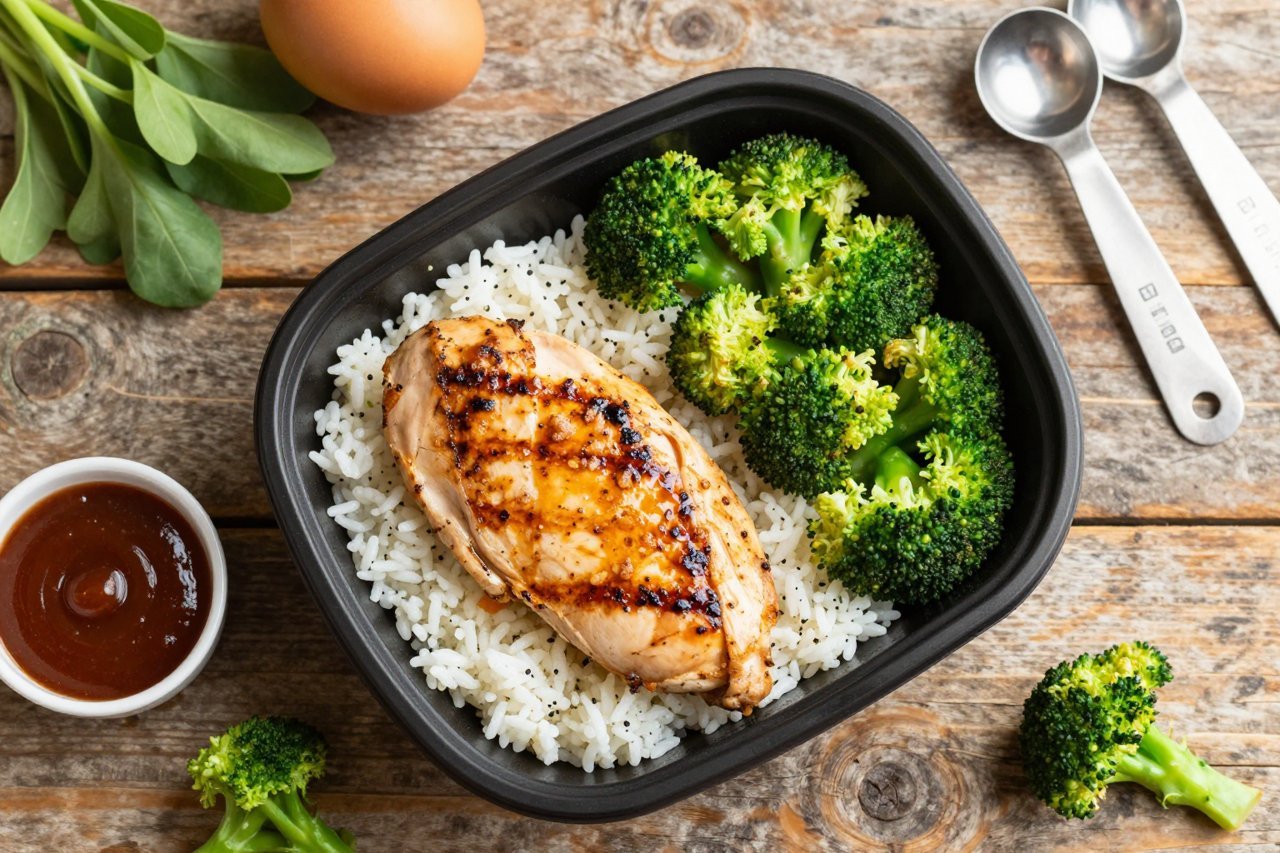
Take a specific example. A lunch of 170g grilled chicken breast, 150g cooked white rice, 200g roasted broccoli, and a tablespoon of teriyaki sauce comes to roughly 50g of protein. That’s a proper high protein meal, and it took about 12 minutes to put together if the chicken was already cooked.
Why the carb matters
Some low-carb diets have scared people away from rice and potatoes, but carbs help you perform, recover, and actually feel satisfied. A high protein meal with no carbs is like a car with a huge engine and no fuel. You’ll have better energy and you’ll find it easier to stick to your plan if you include a modest serving of carbs.
Step 1: Choose your protein (and know your portions)
The protein is the hero of the plate. Aim for 30–40g per meal if you’re an average adult trying to build or maintain muscle. That translates to roughly a palm-sized portion for most people.
Here are common options with their approximate protein content per 100g:
- Chicken breast – 31g
- Canned tuna – 26g
- Lean beef – 26g
- Greek yogurt – 10g (but a 250g tub gives you 25g)
- Tofu – 8–14g depending on firmness
- Eggs – 13g per 100g, about 6g per large egg
Don’t forget that plant proteins like lentils and chickpeas also work, but you’ll need to eat larger volumes to hit the same numbers. For a full breakdown of the highest protein foods to keep on rotation, have a look at this smart eater’s guide to protein-rich foods.
How much protein do you actually need per meal?
A good rule of thumb is 0.4g per kilogram of body weight per meal. If you weigh 80kg, that’s 32g per meal. For most people, that works out to 25–40g post-workout. You don’t need a nutrition app to check this every time—just stick to a palm-sized portion of animal protein or 1.5–2 cups of legumes and you’ll be in the ballpark.
Step 2: Pick a base that keeps you full
Carbs are not the enemy. The right carb provides energy and enough bulk to keep you from grazing an hour later. Your best options are:
- Cooked rice (white or brown) – 150g cooked
- Potato or sweet potato – one medium
- Pasta – 100g cooked
- Bread – two slices (about 50–60g)
- Quinoa – 150g cooked
Start with about a fist-sized portion, then adjust up or down based on your activity level. If you’re doing heavy strength training, you’ll want more. If you’re mainly desk-bound, keep it on the smaller side.
Step 3: Add vegetables for volume and micronutrients
Vegetables don’t just make the meal prettier. They add fibre, vitamins, and water, which helps you feel full without piling on calories. You can be more generous here. Fill half your plate with vegetables.
Some quick and easy options: frozen broccoli, spinach, bell peppers, cherry tomatoes, zucchini, cauliflower, and green beans. You can roast them, steam them, or eat them raw. Frozen vegetables are just as nutritious as fresh and they save you a trip to the store.
Step 4: Don’t forget the flavour layer
A high protein meal will quickly become a boring chore if you skip this step. The sauce or fat is what makes you actually crave the meal. Olive oil, pesto, tahini, cheese, salsa, soy sauce, or a spoonful of hummus can transform a plain plate.
But here’s the catch: fats are calorie-dense, so measure them if you’re counting. One tablespoon of olive oil has about 120 calories. That’s fine, but two or three tablespoons add up. Focus on flavour-rich sauces that don’t require a gallon of oil. For example, mix Greek yogurt with lemon and garlic for a creamy dressing that’s high in protein and low in fat.
If you’re building meals specifically to support muscle growth, the ultimate guide to high protein meals for muscle gain goes deeper into how to time these components around your training.
Build your own high-protein bowl: 6 combos to try
Now let’s put the formula into action. Here are six specific high protein meal combinations you can throw together in under ten minutes:
- Taco bowl: ground beef (150g) + rice (120g) + salsa + shredded lettuce + Greek yogurt instead of sour cream
- Mediterranean bowl: grilled chicken (170g) + quinoa (150g) + cucumber, tomato, olives + tzatziki
- Asian noodle bowl: shrimp (150g) + soba noodles (100g) + stir-fried peppers and snap peas + soy sauce and sesame oil
- Egg salad wrap: 3 hard-boiled eggs + two whole-wheat tortillas + spinach + a little mayo/mustard mix
- Tuna rice bowl: canned tuna (1 can, drained) + brown rice (150g) + edamame + sriracha mayo
- Veggie tofu bowl: extra-firm tofu (200g) + sweet potato (150g) + charred broccoli + peanut sauce
These aren’t gourmet recipes. They’re templates. Swap the chicken for pork, the rice for potatoes, the broccoli for green beans—it still works.
A realistic one-day high protein meal plan (no cooking skills needed)
Here’s what a full day might look like using the formula above:
- Breakfast: Greek yogurt (250g) + berries + a sprinkle of granola. Protein: ~25g
- Lunch: Chicken rice bowl with roasted vegetables and teriyaki sauce. Protein: ~45g
- Snack: A handful of almonds and a boiled egg (you can find more ideas in this list of easy high protein snacks that keep you full). Protein: ~12g
- Dinner: Tofu stir-fry with noodles and vegetables. Protein: ~30g
That’s around 115g of protein for the day, spread across four eating occasions. Not bad for zero effort.
Make it a habit: prep the parts, not the meals
The biggest mistake people make is trying to meal-prep full plates on Sunday and then eating boring, soggy leftovers all week. A better approach is to make the components you can mix and match.
Spend 30 minutes cooking a batch of chicken or ground beef. Boil a pot of rice. Wash and chop some vegetables for the week. Store them separately in the fridge. When it’s time to eat, just grab a handful of each and microwave or toss in a pan. This method is exactly why the formula works—you’re never more than a few minutes away from a solid meal.
If you find yourself short on protein some days, a shake can fill the gap. Not sure which one to buy? Check out this step-by-step guide to choosing the best protein powder so you don’t waste money on a tub that tastes like cardboard.
Start with one meal today
You don’t have to overhaul your entire diet overnight. Pick one meal tomorrow—say lunch—and apply the formula. Choose your protein, add a carb, pile on some vegetables, and finish with a sauce you actually like. Notice how full you feel afterward and how much easier the rest of the day becomes.
Once you’ve done it a few times, you’ll realise that high protein meals aren’t complicated at all. They’re just an assembly task. And now that you know the four steps, you can build one anywhere, from your kitchen to a buffet to a road trip. The formula never fails.


