
Table of Contents
Somewhere along the way, high-protein meals got a bad reputation. You know the stereotype: dry chicken breast, sad broccoli, a plastic container of boiled eggs that smells like regret. But here’s the thing. A well-built high-protein meal can be the most satisfying thing you eat all day. Think sizzling steak fajitas, a creamy Greek yogurt parfait, a hearty black bean chili. Protein keeps you fuller for longer, steadies your blood sugar, and makes it easier to hold onto muscle as you lose fat. This guide is not about bland meal prep. It is about real meals, real flavor, and numbers you can actually hit.
What Counts as a High-Protein Meal?
Most nutrition professionals consider a “high-protein” meal to land somewhere in the 30–40g range. A typical chicken breast gives you about 31g. A cup of cooked lentils packs 18g. Greek yogurt? Another 20g per 200g serving. The point is, it is not that hard to hit the mark if you know what you are doing. For a simple overview of the best sources, this guide to foods high in protein breaks down exact numbers and easy swaps.
The 4 Rules for Building a High-Protein Meal
Before you cook anything, understand the formula. Every solid high-protein meal follows the same simple structure.
- Start with 25–30g of a complete protein. Chicken, turkey, salmon, lean beef, eggs, or firm tofu all work.
- Add a second protein source. A handful of cottage cheese, a scoop of black beans, or a sprinkle of hemp seeds can push a meal from 25g to 40g without changing the flavor much.
- Pair it with fiber and volume. Roasted vegetables, leafy greens, or quinoa keep you full and help with digestion. Fiber also takes the edge off a heavy protein hit.
- Make it taste like something. No meal plan works if you hate it. Use marinades, citrus, spice, and healthy fats. If you need inspiration, this list of the best high protein foods actually lives up to the phrase.
5 High-Protein Meals That Come Together in 30 Minutes or Less
You don’t need a sous chef to eat this way. These five recipes are weeknight workhorses.

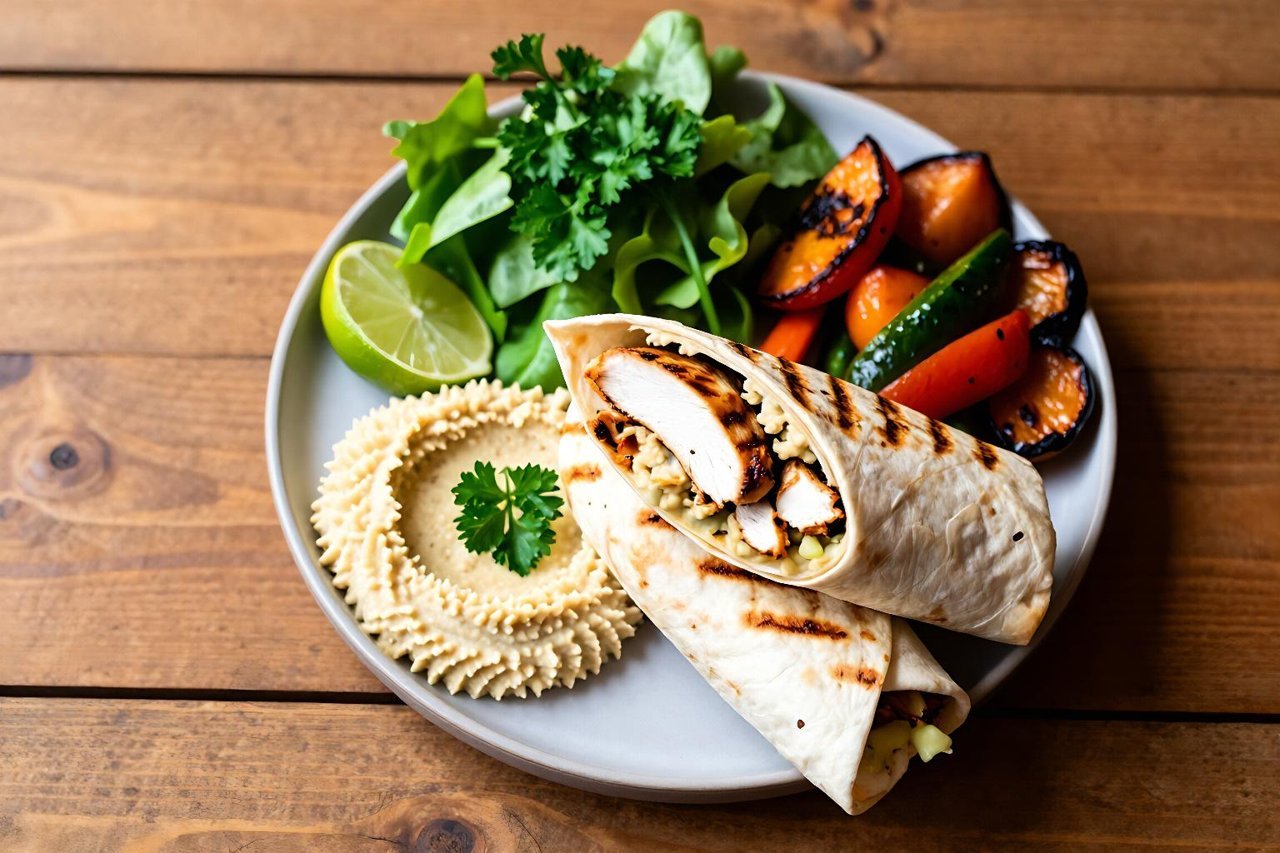
1. Grilled Chicken & Hummus Wrap
Toss a chicken breast with smoked paprika, garlic powder, and olive oil, then grill it for six minutes per side. Slice it up and lay it in a large tortilla with a thick spread of hummus, which adds about 6g of protein per 100g. Load in lettuce, cucumber, and roasted red peppers. One wrap lands around 45g of protein and 500 calories of pure satisfaction.
2. Sheet-Pan Salmon with Chickpeas
A 170g salmon fillet packs roughly 35g of protein. Put it on a pan with drained chickpeas, cherry tomatoes, red onion, and a drizzle of lemon juice, olive oil, and oregano. Roast everything at 200°C for 12–15 minutes. Add a side of baked sweet potato or just eat it as is. Total protein: 45g.
3. Tofu Scramble with Peanut Sauce
Crumble firm tofu into a hot pan with a little turmeric and nutritional yeast. The tofu gives you 17g of protein per 100g. Add a generous spoon of peanut butter and a splash of soy sauce to create a sticky, savory glaze. Serve over brown rice with sliced cucumber. The bowl comes in near 40g protein.
4. Beef & Broccoli Meal Prep Bowls
Thinly sliced sirloin stir-fried with garlic and ginger gives you 35g of protein per 150g. Add a full head of broccoli, a tablespoon of oyster sauce, and serve over jasmine rice. The whole thing takes 20 minutes and tastes like takeout without the greasy aftertaste. Protein total: 42g.
5. Greek Yogurt Power Bowl
Not all high-protein meals are dinner. A 200g bowl of plain Greek yogurt has 22g of protein. Top it with berries, granola, a spoon of peanut butter, and chia seeds. That easily reaches 35g protein. It works for breakfast, a post-workout snack, or a light summer dinner.
High-Protein Meals for Muscle Gain
If your goal is building muscle, you likely need more than the general high-protein target. Aim for 1.6–2.2g of protein per kilogram of body weight, spread across five or six meals. That sounds like a lot, but the right recipes make it manageable. Our ultimate guide to high protein meals for muscle gain covers more than 20 recipes that prioritize flavor and results, plus a three-day meal plan to get you started.
High-Protein Meals That Are Also High in Fiber
Protein gets the spotlight, but fiber is the unsung hero. It slows digestion, keeps you full, and feeds the good bacteria in your gut. You can have both. Chili made with black beans and lean ground turkey gives you 35g protein and 15g fiber per bowl. Lentil curry with a dollop of Greek yogurt offers 30g protein and 18g fiber. Quinoa is another dual threat, giving you 8g protein and 5g fiber per cooked cup. For more ideas, this guide to foods high in fiber shows practical, flavor-friendly ways to add more roughage without the bloat.
When Protein Powder Makes Sense (and When It’s a Waste)
Whole food should be your default, and protein powder is a convenience, not a requirement. It earns its place when you travel, have a packed schedule, or want to make a high-protein pancake without a chemistry degree. A scoop of whey or plant protein adds 20–25g of protein to oatmeal, smoothies, or yogurt bowls. Just make sure to pick something with low added sugar and a mix of amino acids you actually absorb. The breakdown in this protein powder guide tells you exactly what to look for and how to use it properly.
A Simple Day of High-Protein Meals
Here is what a realistic day might look like when you deliberately build every meal around protein:
- Breakfast: 3 scrambled eggs (18g) with 1/3 cup cottage cheese (7g) and sautéed spinach. Total: 25g.
- Lunch: 4oz chicken breast (31g) over a quinoa bowl with bell peppers, a handful of chickpeas (7g), and tahini dressing. Total: 40g.
- Snack: 1 cup Greek yogurt (20g) with a tablespoon of peanut butter (4g). Total: 24g.
- Dinner: 6oz salmon fillet (42g) with roasted asparagus and a side of edamame (8g). Total: 50g.
That is more than 140g of protein in one day, and nothing was difficult to make or dull to eat. Adjust the portion sizes to fit your own body weight and training load, but the structure here is a solid template you can reuse all week.


