
Table of Contents
Picture this: you’ve just unboxed a shiny new GPS tracker for your dog, clipped it onto their collar, and opened the app. A little dot appears on a map, and you breathe a sigh of relief. But over the next few weeks, that relief can fade into frustration—or worse, a false sense of security. I’ve spent years testing trackers and talking to owners who’ve been burned by them. The truth is, most problems aren’t with the devices themselves. They’re with the assumptions people make about them.
If you’re here, you probably want to know how to avoid the traps that turn a useful tool into an expensive paperweight. So let’s walk through the mistakes I see time and time again—and the fixes that actually work.
Mistake #1: Trusting the Battery Percentage Too Much
Every tracker promises a battery life stat on the box. But real-world usage doesn’t match the brochure. In my side-by-side tests, a collar that claimed 30 days of battery life lasted just under 5 days when I set the GPS update interval to every 10 seconds. Cold weather also drains lithium-ion cells far faster than you’d think. That’s why you should always charge your tracker overnight if you’re planning a long hike, no matter what the app says. And keep an eye on the actual battery graph in the app—not the percentage your phone shows. If you’re unsure what to buy based on battery, the canine GPS tracker options compared guide breaks down the real trade-offs between cost, coverage, and battery life.
Mistake #2: Choosing the Wrong Tracker Technology
When a friend asks me, “What’s the best tracker for my dog?” I always ask them a few questions back. Because the truth is, there’s no single best option—just the right one for your dog’s habits. Some trackers use GPS, others use Bluetooth, and a few rely on radio frequencies. They’re not interchangeable.

Bluetooth-only trackers
A Bluetooth tracker like an AirTag only works when your dog is within about 100 feet of your phone. That’s fine for a backyard, but useless if your dog bolts into the woods.
Radio frequency trackers
Radio trackers work for miles and are the old-school hunter’s choice. They give you a direction and signal strength, not a map, so you’ll need to walk toward the beeping. It’s an art, but it’s reliable in dense forests.
GPS trackers
GPS gives you live location on a map, but only if the device can connect to satellites. In deep canyons or under heavy tree cover, the signal can vanish. Before buying, ask what your dog’s real-life terrain looks like. This in-depth comparison of GPS, Bluetooth, or radio trackers can help you match the tech to your dog’s routine.
Mistake #3: Skipping the Setup Process (Or Doing It Wrong)
Most trackers require more than just clipping and pairing. You need to register the device, set up a geofence, test the live tracking, and configure the update interval. Sounds obvious, but I can’t tell you how many owners skip the firmware update because it takes 15 minutes. Then they’re stuck with a tracker that randomly disconnects.
Firmware updates aren’t optional
Manufacturers often release fixes for connectivity and battery drain. Ignore them at your own risk. A quick update can solve the exact problem you’re about to throw money at.
Geofence settings
Set the geofence to match your property boundaries, not just the default radius. Otherwise, you’ll get a “lost dog” alert every time your dog steps into the neighbour’s yard—or worse, you won’t get an alert at all because the fence is too large. Take the time to run through the step-by-step setup process in the guide I wrote on setting up a tracker for my dog. It actually walks you through the phases that most people skip, like calibrating the base station for radio trackers or enabling background location permissions.
Mistake #4: Ignoring Subscription Fees Until It’s Too Late
Let’s be honest: some GPS trackers are cheap upfront precisely because they require a monthly subscription. That $50 device can cost you $15–30 a month for the cellular data plan. Over two years, that’s more than the tracker itself. If you’re on a budget, look at trackers with no ongoing fees—though they often have shorter range or less precise tracking.
I’ve compared the real monthly costs across popular models in this roundup of canine GPS tracker options, and the difference is staggering. Some come with a one-year plan included, which can be a great deal if you remember to cancel before it auto-renews. Others require a mandatory data plan that costs more than the tracker itself over a two-year period.
Check the fine print
Look for activation fees, cancellation fees, and whether you can pause the service for the winter months. I’ve seen owners pay $20 a month for a tracker that’s been sitting in a drawer since September.
Mistake #5: Never Testing the Tracker in the Real World
Trackers can fail when you least expect it. The day you need it is the day the app fails to load, the battery is at 2%, or the cellular network has a dead zone. That’s why you need to test the tracker before it’s an emergency. Go to your local park, put your dog in a sit-stay, then walk 500 metres away. Try the “lost dog” mode. See if the map updates in real time. Also, test the escape alarm—the one that triggers when your dog leaves the geofence. If it doesn’t fire, you’ll probably miss the notification when your dog slips out of the yard.
In my six-tracker field test, two out of three budget devices had a significant delay in location updates. The best tracker for my dog review shows which ones actually performed when it mattered, but the point is: you have to test your own unit. Each individual tracker can have a weak antenna or a faulty SIM card.
Mistake #6: Overlooking the Fit and Collar Design
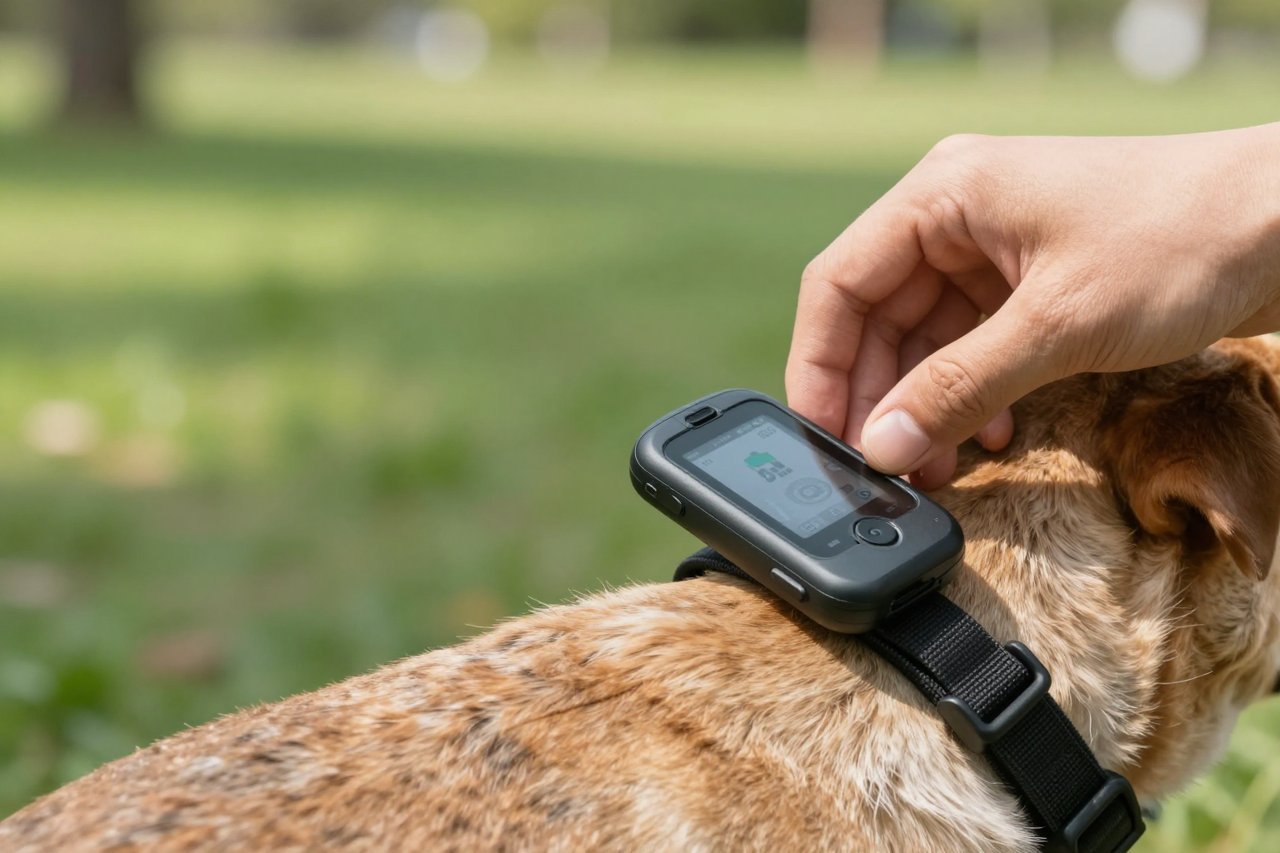
A tracker that’s too big or too heavy on a small dog can cause neck strain. Some trackers attach to the collar and dangle, which can get caught on branches—and that can lead to a lost tracker or an injured dog. Worse, a loose fit can let the tracker twist and lose satellite signal. Before you buy, check the weight and whether it’s designed to lie flat. Use the provided collar or a sturdy aftermarket one with a dedicated tracker slot. And don’t forget that your dog will chew the tracker if it’s within reach—so mount it high on the collar, near the back of the neck, and check the fit regularly as your dog grows or gains weight. A quick field test is all it takes to see if the device stays put during a run.
Mistake #7: Thinking the Tracker Replaces Training
Here’s a hard truth: a tracker is not a substitute for recall training. It tells you where your dog is, but it won’t stop them from running into traffic or getting into a fight. The most effective approach is to use the tracker as a safety net, not a primary tool. Work on a reliable “come” command. Use a long leash in unfenced areas. And treat the tracker as a way to locate your dog once they’ve stopped running, not as an excuse to let them off leash in a risky spot.
I’ve heard too many stories of owners who let their dogs run wild because “they have a GPS tracker.” That’s a recipe for a tragedy. A tracker is a tool that helps you find a dog after a moment of panic—it doesn’t prevent that moment.
A Final Checklist: Trust Your Tracker, But Verify It
Before you rely on a tracker for daily safety, run through this quick checklist:
- Test the tracker’s range and alert system in a safe, enclosed area at least once a week.
- Note the actual battery life in cold weather and normal use; charge accordingly.
- Verify subscription renewal dates and cancel unused plans before they auto-renew.
- Practice the app’s emergency features so you know what to do when the notification goes off.
- Keep a spare charged battery or a charging cable in your car, ready for the day you need it.
- Check the collar fit and condition every few weeks—trackers can loosen, and collars can fray.
Ultimately, a tracker is a tool, not a magic wand. It can give you peace of mind and reunite you with a runaway, but only if you set it up correctly, maintain it, and understand its limits. Avoid the pitfalls above, and you’ll have a much better chance of keeping your dog safe and keeping your sanity intact.


