
Table of Contents
Many people search for Top 7 exotic pets allowed in the US expecting the law to provide a neat answer. Instead they find lists that all look the same—hedgehogs, ferrets, sugar gliders, a couple of reptiles—and assume the animal can come home today. That assumption is the first mistake. The legality question is the easiest half of the challenge because it changes with every city line you cross, and none of the cute photos show what happens when the reality hits.
The stories that end badly are rarely about an owner trying to break rules. They are about an animal that was technically legal in a state, but the owner never checked the local county code, never planned for adult size or a proper vet, and never understood what the law actually required of them. This article is about those gaps.
Myth #1: There is a single national “yes” list
No federal agency publishes a list of approved exotic household pets in the US. Federal law steps in for endangered species, imported wildlife, and animals that could become invasive, but state and local laws decide most of what you can keep beside your couch.
It is not even enough to check your state. Ferrets are banned in California and Hawaii, as well as New York City, yet they are perfectly legal across most of the country. Sugar gliders are prohibited in Alaska and Hawaii, but in many neighborhoods they need a special permit that is rarely publicized. The same species that appears in every “top 7 legal exotic pets” article can be completely fine at your friend’s house ten miles away and illegal in your rental from the same county.

If you do not know how to run that checklist accurately, work through this step-by-step blueprint for getting an exotic pet in the US. It walks you through the actual forms, permits, and phone numbers so you don’t have to guess.
Permit is a contract, not a receipt
Several states require a wildlife possession permit before you bring home an exotic pet. A common mistake is treating that permit like a one-time transaction. In many states it must be renewed annually, require a fresh veterinary examination, and come with a cage inspection that checks lighting, heating, and space requirements.
Owners get into trouble when their paperwork expires or their enclosure stops meeting updated local standards. A ball python legally purchased under one set of rules can become a violation the next year if state regulations tighten or if the owner moves to a town with different caging codes. This is why the animal rescue world sees perfectly legal animals surrendered after a routine animal control visit.
The numbers also should not be ignored. Many species that look cheap at the adoption event become much more expensive as they grow. Before you fall for a bargain-priced baby, compare the side-by-side costs, care, and legal trade-offs of the top exotic pets and include permit fees, enclosure costs, and yearly vet checks in the total.
The adult-size trap nobody mentions
A baby animal is easy to love and easy to house. The mistake begins when owners forget that the cute hatchling will not stay small.
- Green iguanas start at about 10 inches long and can reach 5 to 6 feet within two years, usually requiring a custom-built tall enclosure that takes up an entire bedroom corner.
- Sulcata tortoises turn from palm-sized pets into 80- to 100-pound diggers that can tear up backyards, damage fences, and need heat through the winter.
- Ball pythons live longer than most people expect, often 30 years or more, and many rescue groups are filled with adult pythons from owners who planned for a decade, not three.
Before any purchase, read what owning these exotic pets really takes. It gives an honest look at how much food, cleaning, socialization, and stillness a species needs during an average week, not just a photo session.
The vet gap is real and expensive
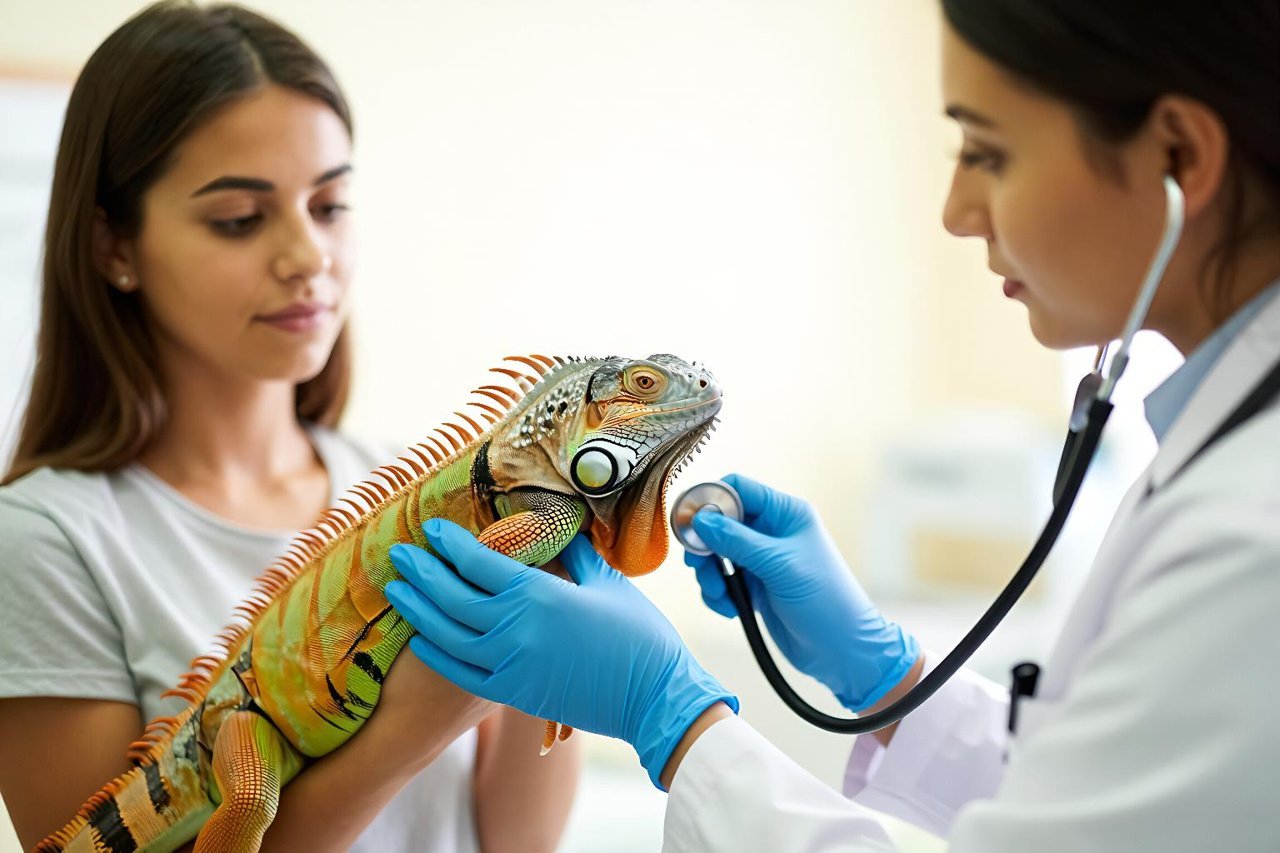
Most general veterinary clinics list cats and dogs on the front door. An exotic pet owner often has to search much harder for an exotics veterinarian, and even then emergency coverage can be extremely limited. Many emergency animal hospitals do not accept hedgehogs, lizards, or birds.
The cost of exotic pet medicine is another shock. A routine check-up with a sugar glider might run $150 to $250, and an emergency visit that includes x-rays or an overnight stay can easily reach $1,000. In rural areas, the closest exotic vet could be a two-hour drive away. That matters when your pet stops eating at 10 p.m. and you cannot find any clinic willing to help.
Not all exotic vets are equally experienced either. Some advertise “exotics” but only treat rabbits and guinea pigs. If you are evaluating a clinic, the animal hospital survival guide explains what to look for during a first visit and how to tell whether the veterinarian truly is comfortable with your particular species.
Three questions that stop most surrenders
Before you bring any exotic pet home, ask yourself these three questions. Your answers reveal more than any legal checklist.
- Can I name the exact state, county, and city regulations that apply to my specific address?
- Can I point to an emergency exotic veterinarian within a reasonable drive and pay for an unexpected $1,000 bill?
- If my job, family, or housing situation changes, will I still have the space, money, and time this animal needs for its entire lifespan?
The Top 7 exotic pets allowed in the US make an appealing list, but the list only tells you what the law allows at a particular moment. It does not tell you what a 15-year commitment looks like or how much your local code can change. Nail down the regulations, plan for the adult animal, and build a relationship with a real exotic vet before you bring anyone home. That is the difference between a rewarding exotic pet owner and another sad surrender statistic.


