
Table of Contents
A bowl of pho in Hanoi costs less than a single stop on the London Underground. A three-course set lunch in Bogotá, soup and juice included, lands under $7. A bottle of genuinely good wine in Tbilisi is cheaper than a pint of lager in Dublin.
Cheap countries are easy to find. Finding the ones where cheapness actually turns into a better trip, with reliable buses, safe streets and food you’d happily eat twice a day, takes more digging. We compared day-to-day prices for groceries, transport, accommodation and eating out, then cut the places that are cheap for a reason. Here are the seven where your money travels furthest right now, with the numbers to back it up.
What “money going furthest” really means
There are two price tags in every country. The one on the sticker, and the one you pay in frustration. A $25 room with no hot water and a two-mile walk to the nearest shop is worse value than a $45 room above a bakery. So the ranking below weighs cost against what you actually get: transport that runs, food that’s worth eating, and enough safety to walk home after dinner.
Flights matter too. A country where a day costs $35 is not a bargain if getting there eats $1,400 of your budget. If you want a wider spread of options at a similar daily rate, our guide to the best places to travel on a budget where $50 a day still buys a real holiday covers destinations this list leaves out.

1. Vietnam
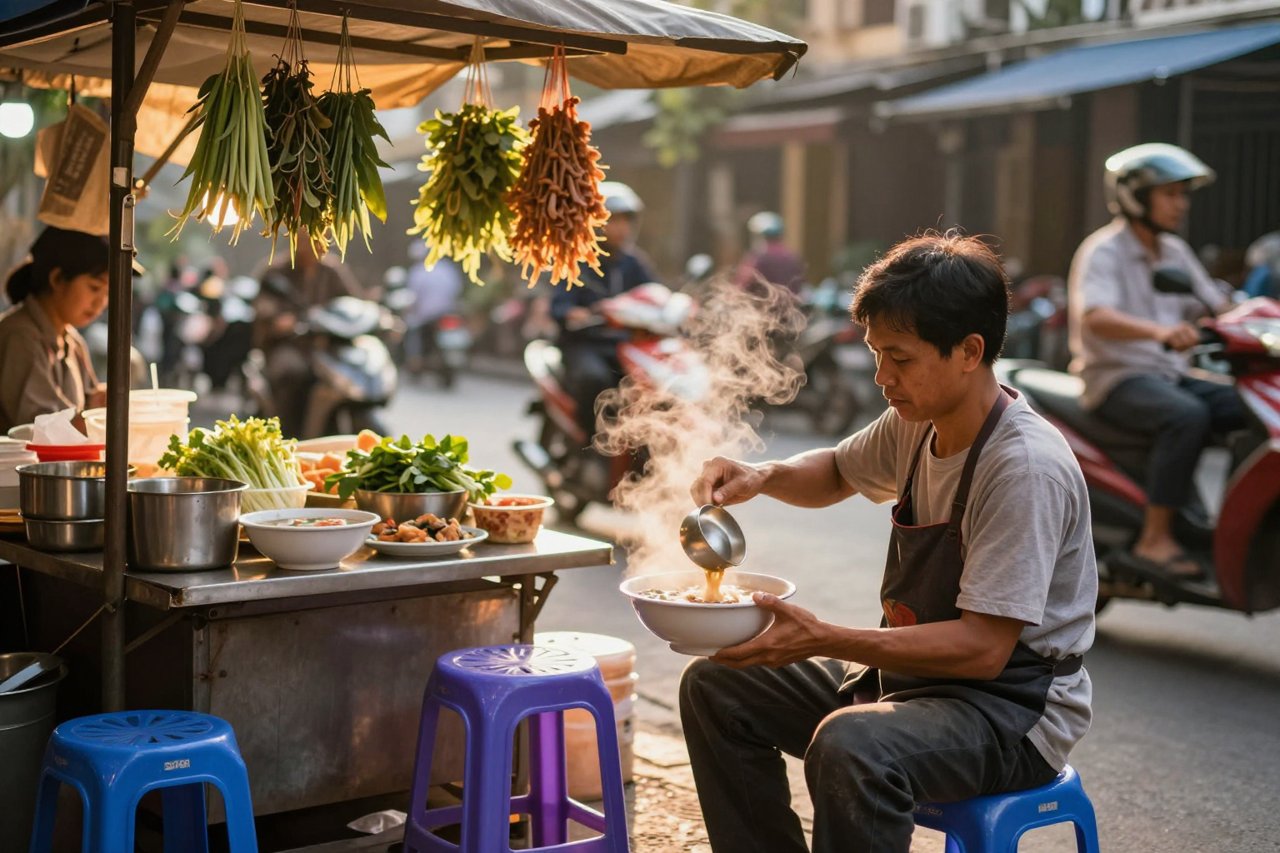
Vietnam still sets the benchmark. A banh mi from a Hanoi cart runs 25,000 to 40,000 dong, roughly $1 to $1.60. Pho at a plastic-stool spot costs $1.50 to $2.50. Condensed-milk iced coffee is a dollar, and it’s excellent.
Accommodation is where the value gets silly. Clean private rooms with air conditioning go for $15 to $22 in Da Nang or Hue, and a genuinely nice boutique hotel in Hoi An sits around $40. Sleeper buses between cities cost $15 to $20 for overnight runs. Motorbike rental is $6 a day before fuel.
The caveat: Hanoi’s Old Quarter and central Hoi An now charge tourist prices at tourist-facing businesses. Walk two streets back and the same meal drops by half.
2. Georgia
Tbilisi is the most underrated budget city in Europe, and it isn’t especially close. Khinkali dumplings cost 1.50 to 2.50 lari each, under a dollar. A full supra spread of grilled meats, bread, cheese and herbs, with a jug of house wine, runs $15 to $20 per person. Shop-bought wine starts at $4 a bottle.
Rent is the headline. A decent one-bedroom apartment in central Tbilisi leases for $450 to $600 a month. Short stays in guesthouses run $30 to $40, hostels $10 to $15. The metro costs 1 lari flat, and marshrutka minibuses to mountain towns like Kazbegi are around $4.
What it costs you: flights, which are rarely cheap, and winter heating bills in poorly insulated Soviet-era flats.
3. Portugal
Western Europe has one country that still behaves like Eastern Europe at lunchtime. The prato do dia, a full plate with bread, drink and sometimes dessert, costs €8 to €10 in most of the country. Espresso is €0.80. A pastel de nata is €1.20. A glass of vinho verde is €3.
Outside Lisbon and Porto, prices barely make sense to anyone arriving from France. Alentejo guesthouses charge €60 to €80 for rooms that would cost triple in Italy. Advance train tickets between Porto and Lisbon start around €25.
Lisbon itself has caught up fast. Rents and restaurant prices in the centre have jumped, and the city is no longer the bargain it was five years ago. Head inland, or north to the Minho, and the old math still holds.
4. Mexico
Mexico rewards people who eat where Mexicans eat. Four tacos al pastor from a street stand cost 80 to 120 pesos, about $4.50 to $7. A comida corrida at a market stall, three courses plus a jug of agua fresca, is 90 to 130 pesos. First-class ADO buses are comfortable and cost a fraction of European rail.
Location decides everything. Oaxaca, San Cristóbal de las Casas and Guanajuato remain affordable, with good apartments at $500 to $700 monthly. Mexico City’s Roma and Condesa now charge first-world rents, and beach towns priced in dollars have drifted up with them.
5. Thailand
A plate of pad Thai from a Chiang Mai street cart is 50 to 70 baht, roughly $1.50 to $2. Khao soi, northern curry noodles, costs about the same. A hostel bed in a clean dorm is 400 to 600 baht, and monthly condos in Chiang Mai start around $350.
Bangkok is where the spread widens. The BTS Skytrain is cheap at 17 to 45 baht, but a cocktail in Thonglor costs more than a night’s accommodation up north. The islands (Phuket, Koh Samui) run two to three times the mainland rate, so pick your geography deliberately.
6. South Africa
The rand has been weak for years, which makes South Africa extraordinary value for anyone earning in dollars or euros. A serious steak dinner with sides runs $12 to $15. A bottle of very drinkable Cape wine is $5. Coffee is $2, and a good guesthouse room outside peak season is $50 to $70.
Budget for a car. Outside Cape Town and Johannesburg, public transport won’t get you to the places worth seeing, so hire costs of $30 to $40 a day are part of the real price. Tipping is expected at 10 to 15%, and it’s not optional in practice. Add it in before you compare.
7. Colombia
The menu del día is Colombia’s gift to travellers: soup, a main with rice and plantain, and a drink, for 18,000 to 25,000 pesos, about $4.50 to $6.50. A tinto, the small black coffee, is 2,000 pesos. A cross-town Uber in Medellín costs $3 or $4, and domestic flights with low-cost carriers go for $30 to $50 if you book ahead.
Medellín apartments rent for $400 to $600 a month in neighbourhoods like Laureles. Smaller towns (Salento, Santa Fe de Antioquia) are cheaper still. The trade-off is that safety requires attention: stick to known areas after dark, use ride-hailing apps rather than flagging taxis on the street, and ask locally before exploring unfamiliar barrios.
Where the savings quietly disappear
Two people can visit the same country on the same week and spend wildly different amounts. The gap usually comes down to a handful of predictable leaks:
- Paying in your home currency at the card terminal. Always choose the local currency; the offered conversion rate is typically 3–7% worse.
- ATM fees. Withdraw larger amounts less often, and use bank-branded machines over standalone ones in tourist zones.
- Eating on the main square. Restaurants with photo menus and touts outside charge a premium that has nothing to do with food quality.
- Booking accommodation the day you arrive. Weekly and monthly rates in Vietnam, Georgia and Colombia often cut the nightly price by 30–50%.
- Peak season. A Thai island in January and the same island in September are not the same destination financially.
Stretch it further: stay a month, not a week
The single biggest lever isn’t which country you pick. It’s how long you stay. A week in Vietnam means paying nightly rates, eating every meal out and moving between cities every second day. A month means negotiating a monthly rate on an apartment in Da Nang for around $350, buying fruit at the market for breakfast, and taking the local bus because you’re not in a rush.
Slow travel also changes what you spend on entertainment. Cooking a meal in a Georgian flat with €6 of market produce, then walking to a neighbourhood bakery for bread, is both cheaper and better than the restaurant version. Learn five phrases in the local language, shop where the queue is all locals, and take the second-class train rather than the tourist bus. Cheap countries reward the traveller who acts less like a visitor, and the savings compound faster than any spreadsheet predicts.


