
Table of Contents
A late fee hurts. A botched product recall stings. Then there are errors so large that they leave a mark on national budgets, corporate balance sheets, and the lives of people who never made the decision. The top 7 most expensive mistakes in history are not just cautionary tales for executives. They show how a bad assumption, a rushed launch, or a stubborn refusal to change course can turn into a bill with a lot of zeros.
Some of these disasters started with a single slip. Others were collective failures spread across years. What they share is a price tag that kept growing after the original error was obvious. If you have ever wondered why some failures cost so much more than the initial damage suggests, the answer often lies in delay, denial, and complexity. That pattern helps explain why some disasters are so expensive long after the headlines fade.
1. The 2008 Financial Crisis: Trillions in Lost Wealth
The 2008 crisis was not one mistake. It was a stack of them: mortgages approved with little proof of income, securities built from those loans, ratings agencies that treated complex debt as safe, and banks that used enormous leverage to chase returns.
When U.S. housing prices fell, the chain snapped. Lehman Brothers collapsed, credit markets froze, and governments launched rescue packages that ran into the trillions. The Great Recession destroyed millions of jobs and wiped out an estimated $19 trillion in U.S. household wealth. Lost output, foreclosures, and weaker tax revenue added to the tab for years.

For ordinary investors, the lesson is not to predict the next crash. It is to build a portfolio that can survive being wrong. The stock market strategies to build wealth in any market that hold up best tend to focus on diversification and risk control, not on clever timing.
2. Deepwater Horizon: $65 Billion and 11 Lives
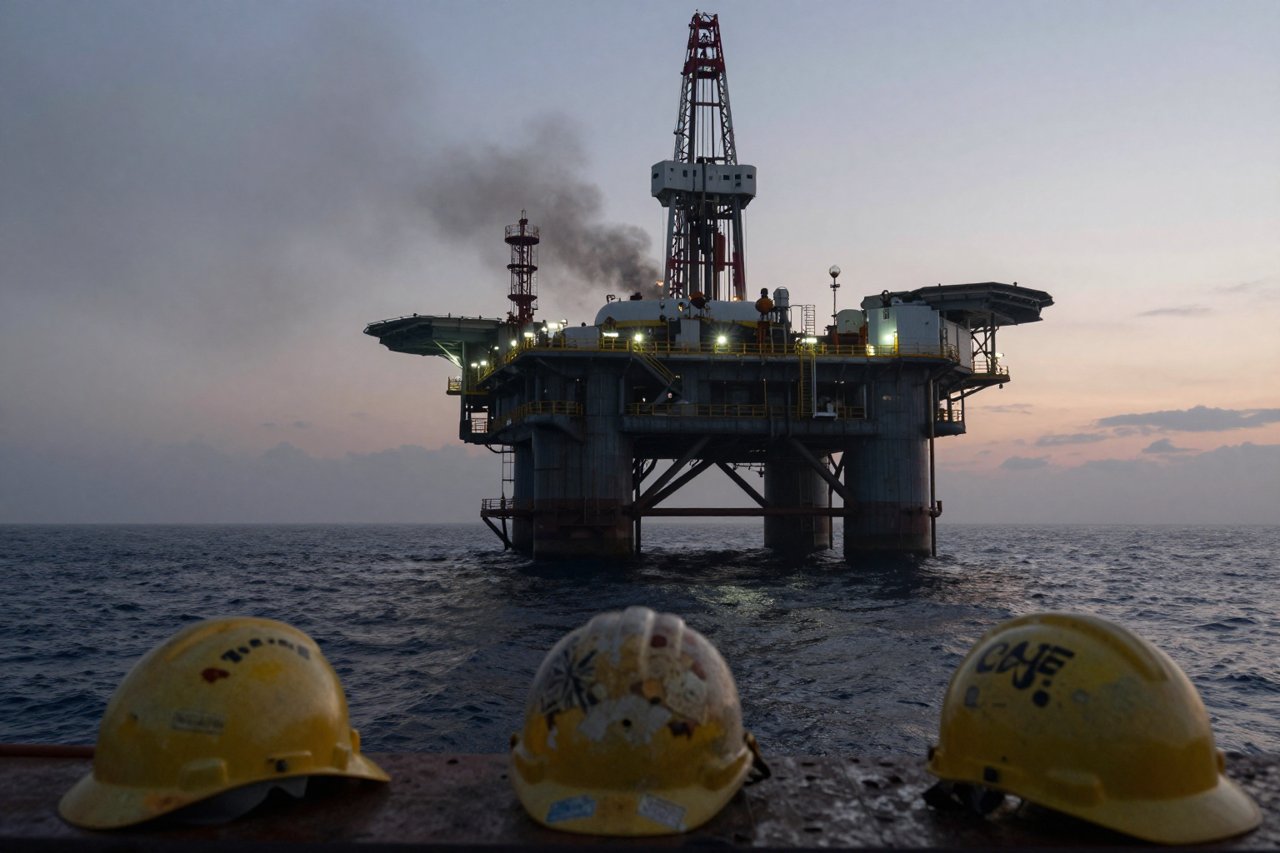
On April 20, 2010, a blowout on BP’s Macondo well in the Gulf of Mexico killed 11 workers and triggered the largest offshore oil spill in U.S. history. Oil flowed for 87 days before the well was capped. Beaches, fisheries, and coastal communities took the hit.
BP’s costs passed $65 billion, including cleanup, fines, settlements, and legal fees. The disaster was not caused by a single failed valve. Investigators described a chain of decisions made under schedule pressure, with warning signs dismissed and safety systems treated as obstacles.
The financial damage was enormous. The human cost was worse. Eleven families lost someone because a series of small compromises lined up in the wrong order.
3. Volkswagen’s Dieselgate: $33 Billion for a Software Shortcut
Volkswagen wanted to sell diesel cars in the United States without paying for expensive emissions controls. Engineers installed software that detected when a car was being tested and switched on full pollution controls. On the road, the cars emitted far more nitrogen oxide than allowed.
The scam unraveled in 2015. The bill included:
- More than $33 billion in fines, settlements, buybacks, and remediation.
- Criminal charges against executives and a severe blow to trust in German engineering.
- A recall affecting roughly 11 million vehicles worldwide.
The fraud saved money on hardware. It cost billions, damaged a national brand, and turned a compliance problem into a criminal one. Insurance can transfer some risk, but not this kind. Errors and omissions insurance is designed for unintentional professional mistakes, not deliberate deception.
4. Hubble’s Flawed Mirror: $1.5 Billion With Blurry Vision
The Hubble Space Telescope was supposed to give astronomers a clear view of the universe. Instead, the first images came back fuzzy. The main mirror had been polished to the wrong shape by about 2.2 microns, roughly one-fiftieth the thickness of a human hair.
The telescope itself cost about $1.5 billion. The 1993 servicing mission that corrected the flaw added hundreds of millions more, plus years of lost observation time. The cause was a measuring instrument that was assembled incorrectly and then trusted without an independent check.
Hubble later became a triumph. The mistake still stands as a reminder that precision without verification is just confidence in a nice package.
5. Mars Climate Orbiter: A $125 Million Unit Mix-Up
In 1999, NASA lost the Mars Climate Orbiter because one team used pound-force seconds and another used newton-seconds. The spacecraft entered the Martian atmosphere too low and was destroyed. The mission cost $125 million.
It is the kind of error that sounds impossible until you have worked on a large project. Two teams, two assumptions, no shared check. The numbers looked fine on each side. The spacecraft did not care about job titles or good intentions.
Compared with a financial crisis, $125 million is a rounding error. As a pure example of how a tiny interface failure can destroy years of work, it belongs on any list of expensive mistakes.
6. Kodak’s Digital Blind Spot: A Bankruptcy Built on Comfort
Kodak engineer Steven Sasson built an early digital camera in 1975. Management saw the invention as a threat to film, the business that paid the bills. Kodak sat on the technology while competitors improved it.
By the time the company moved, the market had changed. Kodak filed for Chapter 11 bankruptcy in 2012. Its market value had once been measured in tens of billions of dollars. The final bill came in the form of lost jobs, shuttered plants, and a brand that became a case study instead of a market leader.
Kodak was not ignorant. It was protecting a profitable present at the expense of an uncertain future. That is one of the most common ways a healthy company turns into a cautionary tale.
7. Blockbuster Passing on Netflix: A $50 Million Miss
In 2000, Netflix was a small DVD-by-mail service. Its founders offered to sell the company to Blockbuster for $50 million. Blockbuster passed. It had thousands of stores, late fees, and a business model that felt permanent.
Netflix went on to reshape home entertainment, first with DVDs and then with streaming. Blockbuster filed for bankruptcy in 2010. The cost of saying no is impossible to pin down precisely, but it is measured in the billions of dollars Netflix later became worth.
Blockbuster’s mistake was not a failure to see the internet coming. It was treating a $50 million offer as absurd when the real threat was already in the room. Expensive mistakes often arrive that way, dressed as small decisions that can wait until Monday.


