
Table of Contents
There are 195 countries on the map and, realistically, you’ll see a fraction of them. That arithmetic sits behind every bucket list. So the question isn’t really where to go next. It’s where you’d genuinely regret missing.
The places below aren’t a ranking of the most photogenic spots on social media. They deliver something a photo can’t: the crack of ice calving into a lagoon, a 300-metre dune shifting from orange to rust at dusk, a monastery stapled to a cliff you have to hike to reach.
How These Places Earned a Spot
Three filters did most of the work.
- Scale you can’t fake. Landscapes or architecture that stop a conversation mid-sentence.
- Culture that’s lived in. Markets where locals actually shop, festivals with four centuries of history behind them.
- Logistics that reward the effort. If the journey is hard, the payoff has to be disproportionate.
Plenty of famous names didn’t make the cut: overrun sites where the queue outlasts the view. Some of the better alternatives are hiding in this guide to hidden travel destinations that still feel like a secret.

Iceland: Landscape With the Volume Turned Up
Route 1, the Ring Road, loops 1,332 km around the island. Ten days is the sweet spot, with glaciers, black sand beaches and geothermal pools never more than a few hours apart. Jökulsárlón glacier lagoon deserves a full morning, and arriving before 8 a.m. means you’ll share it with a handful of photographers instead of forty tour buses.
Two warnings. Reynisfjara, the black sand beach near Vík, has sneaker waves that have killed visitors who turned their backs on the water. And in winter, roads beyond Höfn close without much notice, so check the road authority’s site every morning.
Japan: Kyoto at Six in the Morning
Fushimi Inari’s 10,000 vermilion torii gates climb Mount Inari for roughly 4 km. By 9 a.m. it’s a shuffling queue. At 6 a.m. it’s you, the mossy stone steps and the sound of crows. Sleep in Kyoto the night before and set an alarm.
Then leave Kyoto. Kanazawa’s Kenroku-en garden and the art islands of Naoshima pull a fraction of the crowds for just as much reward, and a rail pass covers both.
Peru: Machu Picchu and the Altitude Problem
Machu Picchu sits at 2,430 metres. Cusco, where nearly every flight lands, is at 3,400. That gap is why so many travellers spend their first two days in bed with a headache. Acclimatise in the Sacred Valley instead, at Ollantaytambo (2,790 m), before climbing anything.
Daily entry is capped at around 4,500 people, and Inca Trail permits sell out months ahead. Book three to four months out for the June to August high season, or take the train to Aguas Calientes and queue for the first bus at 5:30 a.m. You’ll get the upper terraces almost to yourself for half an hour.
Namibia: The Quietest Spectacle on Earth
Sossusvlei’s dunes reach 300 metres, and Deadvlei’s 900-year-old camel thorn skeletons stand on white clay that photographs like another planet. The catch is distance: Windhoek to Sossusvlei is roughly 350 km of mostly gravel, and the last 60 km is slow going. Fuel up at Solitaire, leave before dawn, and carry two spare tyres.
What you get in return is silence. Real silence, the kind that makes your ears ring, plus a night sky dense enough to be disorienting.
Tanzania: The Great Migration, in Person
Roughly 1.5 million wildebeest and a few hundred thousand zebra move through the Serengeti each year, crossing the Mara River between July and September. February brings calving season in the southern plains, when the predators follow and the grass is short enough to see everything.
A balloon flight costs about $600 per person. A good guide in a shared 4×4 will find you just as much, for less, and you can stay out at the sighting instead of drifting overhead for an hour.
Vietnam: Ha Long Bay and Hoi An’s Kitchens
Ha Long Bay holds around 1,600 limestone islands, and day trips from Hanoi get you there at midday with everyone else. Book two nights on a smaller boat instead, kayak the lagoons at dawn, and skip the cave tours.
Then head south to Hoi An for cao lầu noodles, white rose dumplings and coffee that will ruin every chain espresso back home. If food is half the reason you travel, this guide to the best places to eat, from street stalls to Michelin dining is worth reading before you book flights.
Norway: The Lofoten Islands
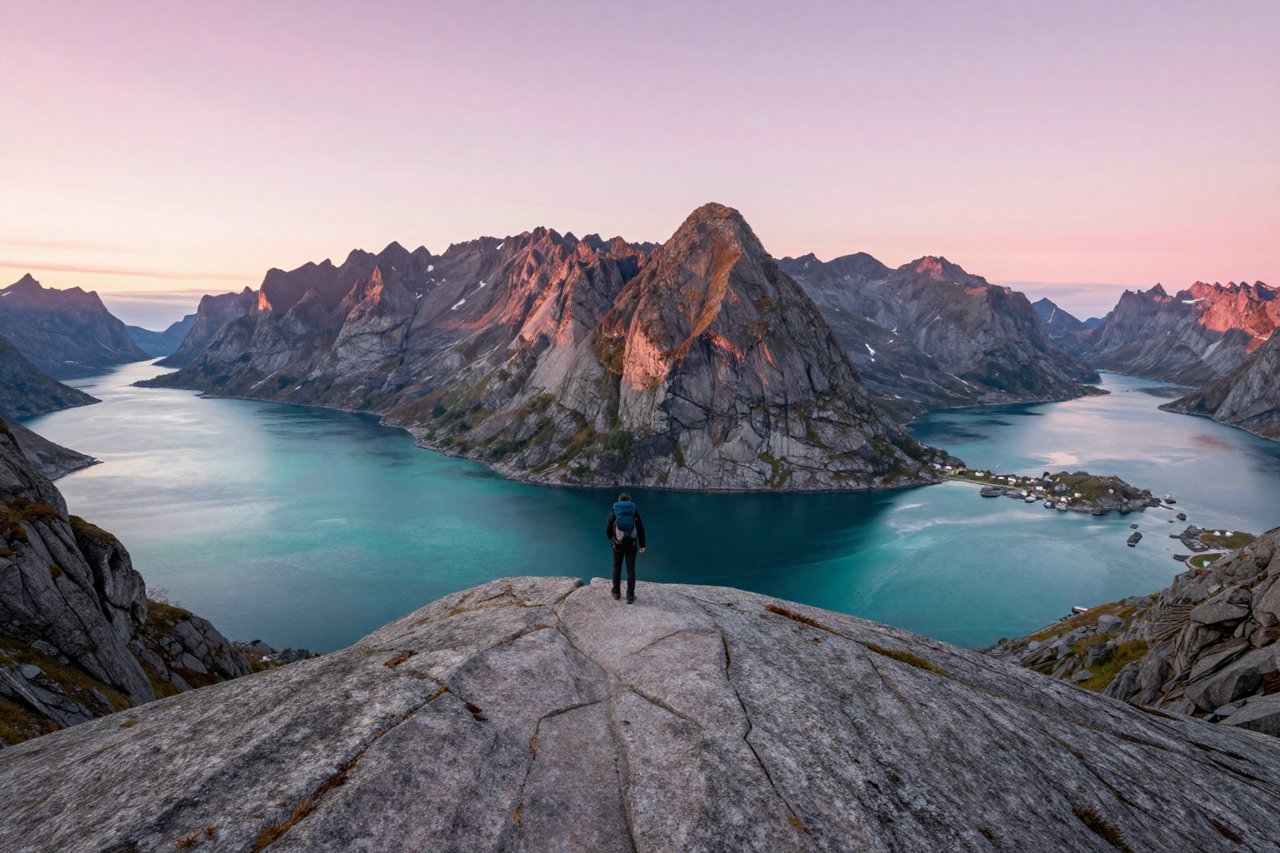
Lofoten sits above the Arctic Circle, where the sun doesn’t set from late May to mid-July. Fishing villages cling to granite peaks that rise straight out of the sea, and the light between 11 p.m. and 2 a.m. is genuinely strange, all pink and silver and refusing to fade.
Climb Reinebringen if your knees allow it. The 1,978 stone steps were built by Sherpa workers from Nepal, and the ridge view is the one everyone recognises. For something quieter, this piece on crystal serenity and where to find it while travelling matches the mood of a midnight beach with nobody on it.
Bhutan: The One You Have to Pay to Enter
Bhutan charges a Sustainable Development Fee of $100 per person per night, plus a $40 visa, which keeps visitor numbers low and the experience intact. Flights into Paro thread between 5,000-metre peaks, and only a handful of pilots are certified for the approach.
Book the Tiger’s Nest hike for your second day, not your first. The climb to the monastery is about 900 metres of ascent and takes most people three hours up. Before any of this, sort your insurance, visas and medication properly. These travel tips and guides that actually hold up cover the boring essentials most people leave until the week before departure.
If You’re Travelling With Children
Iceland and Japan are close to frictionless: short internal flights, safe roads, food kids will eat. Peru’s altitude and Bhutan’s staircases are harder work with small children. This selection of places to travel with family that genuinely work is a better starting point if you’re booking for four.
The Money and Timing Question
Almost every destination here is cheaper and calmer in the shoulder season, and the difference is bigger than most people expect. Iceland in September costs roughly 30% less than July, and the northern lights start returning. Japan in late November gives you autumn colour without cherry blossom pricing. Peru is sweetest in May and September, Namibia from June to October once the dry season concentrates wildlife at waterholes.
Flights are usually cheapest two to five months before departure. Set a price alert, decide your maximum, and buy when it dips rather than waiting for a number that may never come.
Start With One Date in the Diary
Bucket lists fail for a dull reason: no date attached. A destination with no month next to it is a daydream, not a plan.
Pick the single place on this list you’d be most annoyed to have missed, then work backwards. Choose a ten-day window that doesn’t clash with work deadlines or school holidays. Put down whatever deposit the accommodation requires, even if it’s refundable, because a booking you can see tends to survive. Tell one person about it so there’s a witness.
Everything else, the vaccinations, the visa forms, the hiking boots you’ve been meaning to replace, follows from that first commitment. The trips that actually happen are the ones with a date printed on them.


