
Table of Contents
Three weeks in Vietnam. Two weeks in Guatemala. Ten days in Georgia drinking wine that costs less than a bottle of water back home. None of these trips need a trust fund or a year of saving. They need one good decision about which country to fly into, and then a bit of discipline about everything that follows.
The cheapest vacation destinations in the world aren’t hidden. They’re just badly explained. Most lists throw around vague words like “affordable” and “budget-friendly” without ever telling you what a bowl of noodles, a bed, and a bus ticket actually cost. So here’s a version with numbers.
How to Read a “Cheap” Destination
A useful rule of thumb for 2026: a country is genuinely cheap when a comfortable day (private room, three real meals, local transport, one paid attraction) lands under $45. Between $45 and $75 you’re in value territory, staying somewhere that looks far more expensive than it is. Above $75, you’re just in a normal country having a normal holiday.
Keep in mind that these figures assume you’re eating where locals eat, moving by bus or shared van, and booking accommodation a few weeks out rather than the same night. If you want a fuller breakdown of what a day costs across dozens of countries, this guide to the cheapest countries to visit in 2026 goes deeper on the maths.

Southeast Asia Still Sets the Floor
Vietnam: roughly $35–45 a day
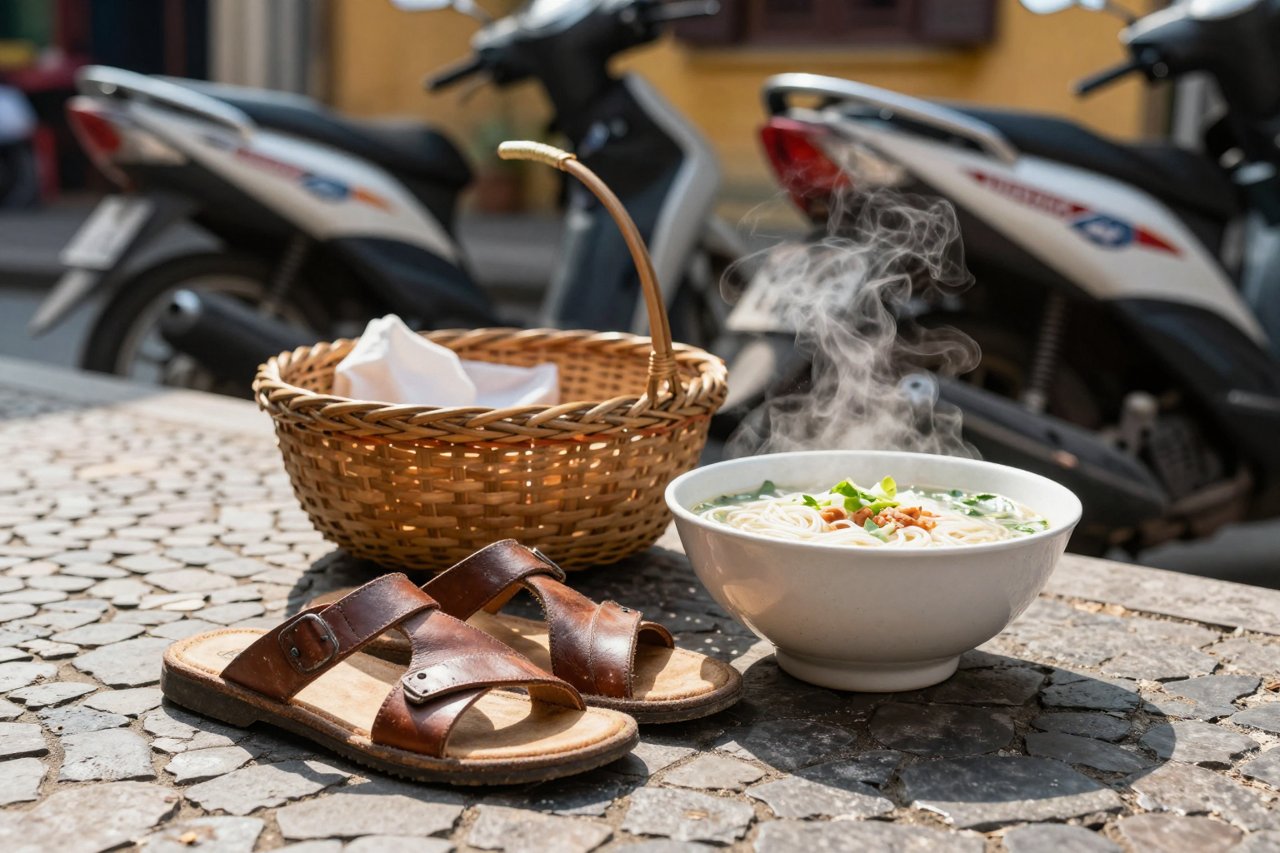
Hoi An is the easy answer, all lanterns and tailors and riverside bars, but Da Nang next door is cheaper and has a beach. A banh mi from a cart runs about $1.50. A proper bowl of pho, $2. A local beer, $1. Family-run homestays sit at $18–25 a night, and renting a motorbike for the day costs $6.
The trap is Hoi An’s tourist strip, where prices triple without warning. Walk two streets inland and the same cao lau drops from $6 to $2.
Thailand beyond Bangkok
Chiang Mai remains the best-value city in the country. A guesthouse room with a balcony is $20, khao soi is $2.50, and a songthaew ride across town is a dollar. Days land around $40, and that includes a massage that costs less than a cocktail in London.
Indonesia outside Bali
Yogyakarta gets a fraction of Bali’s visitors and a fraction of its prices. Guesthouses run $15–20, street-side gudeg is $1.50, and the sunrise ticket to Borobudur is the one splurge worth making. Budget $30–40 a day, and add a few days for the train ride across Java.
Latin America’s Underrated Value
Guatemala: $30–40 a day
Antigua has the cobblestones and volcano views, but Lake Atitlán is where the money stretches. A private cabin in San Pedro or San Marcos is $25–30, a set lunch is $5, and the chicken bus between towns costs about $4. Spanish lessons run $8–10 an hour, which makes a two-week stay both a holiday and something useful.
Mexico’s second cities
Oaxaca and San Cristóbal de las Casas deliver more culture per peso than the beach resorts ever will. A tlayuda off a comal is $4, a glass of mezcal from a small producer is $3, and a charming colonial-era hotel room is $45. You can eat extremely well on $50 a day and still have change.
Europe on a Budget That Doesn’t Feel Like One
Portugal’s second cities
Lisbon has priced itself out of the very cheap bracket. Porto, Coimbra and Braga haven’t. A dorm bed is $30, a bifana sandwich is $3, and a glass of Douro red is $4. Days land at $60–70, which for Western Europe is remarkable.
Georgia: $30–40 a day
Tbilisi might be the best-value capital on the continent. Ten khinkali dumplings cost $5, a bottle of Saperavi from a shop is $6, and a guesthouse in the old town is $25. Marshrutka minibuses get you to the mountains for pocket change.
Albania and Bulgaria
Berat’s Ottoman houses and Plovdiv’s Roman ruins both come with prices that feel like a clerical error. Guesthouses in Berat are $30, a full meal is $7, and the Albanian Riviera in June undercuts Greece by half. Plovdiv runs about $45 a day. These are exactly the kind of places covered in cheap vacation spots that feel way more expensive than they are, where the photos look like a $300-a-night destination and the bill says otherwise.
Tropical Escapes Under $60 a Day
Beach trips are where budgets usually collapse, because resorts remove every cheap option. Stay in a village instead of a resort strip and the maths changes completely.
Sri Lanka’s hill country and south coast sit at $35–45 a day: a guesthouse in Ella for $20, rice and curry for $3, and the legendary Kandy-to-Ella train in second class for about $3. The Philippines is similar if you skip Boracay. Moalboal and Siquijor run $40–50 a day, and a dive is $25 including gear.
If warm water is the whole point of the trip, there’s a wider shortlist in these budget tropical getaways that don’t skimp on the setting, from Honduras to Vietnam’s own coastline.
A Rough Daily Budget Cheat Sheet
- Under $30: rural Vietnam, parts of Nepal, northern India outside the big cities
- $30–40: Guatemala, Georgia, Sri Lanka, Yogyakarta, Chiang Mai
- $40–55: Mexico’s colonial cities, Albania, the Philippines, Colombia
- $55–75: Portugal, Bulgaria, Romania, parts of Malaysia
- Sleep costs: $15–30 for a private double in most of the above, less in dorms
- Food costs: $8–15 a day if you eat two street meals and one sit-down dinner
The Three Costs That Ruin a Cheap Destination
You can pick the cheapest country on earth and still spend $2,000 in ten days. Three things do the damage.
Flights booked late. A $900 return fare can wipe out three weeks of $40 days. Set a price alert eight to twelve weeks ahead and be flexible on the airport, not just the date. The tactics in this guide to booking vacation packages that actually save money apply whether you’re bundling or booking direct.
Accommodation booked in the wrong place. The $80-a-night hotel in the tourist zone and the $25 guesthouse six streets away are often five minutes apart. Read the map, not the photos.
Tours bought at the front desk. The same sunrise trip is routinely double the price through a hotel than through a local agency or a hostel noticeboard. On a two-week trip that difference alone pays for your food. There’s more on this in budget travel that doesn’t feel cheap, which is worth reading before you book anything.
Timing Beats Destination Shopping
Here’s the thing nobody mentions: the same country can be 40% cheaper depending on the month you arrive. Vietnam in July is hot and busy; Vietnam in late September is neither. Guatemala’s dry season (December to March) is peak pricing, while May and October are green, quiet, and discounted. Europe in October is a completely different financial proposition to Europe in August, with the same museums and shorter queues.
The shoulder season is usually two to four weeks either side of peak, and it’s where the real savings hide. Accommodation drops first, then flights follow. If you’ve got any flexibility at all, choose the week before or after the crowds rather than hunting for a marginally cheaper country. A $40-a-day destination in high season often costs more than a $55-a-day one in the shoulder, and it will be far less pleasant.
Pick two or three countries that fit your budget, check their cheapest months, and let the calendar make the decision for you. That’s how you end up somewhere brilliant without spending like you had to.


