
Table of Contents
The gate announcement crackles at 6:40 a.m. and forty people stand up at once, hauling roller bags toward a queue that hasn’t opened yet. Two rows back, a woman in a faded fleece doesn’t move. Her passport is already in her jacket pocket, her boarding pass is saved offline, and she refilled her water bottle after security. She flies maybe five times a year. She knows the line will take nine minutes and that there is no prize for standing in it first.
That’s the whole thing, really. Things experienced travelers do differently aren’t secret hacks or airport-lounge flexes. They’re small, boring decisions made early, usually because the traveler once got burned and decided not to repeat it. Here are the ones that show up again and again.
They book the flight nobody wants
The 6:15 a.m. departure is ugly. The terminal is freezing, the coffee is terrible, and you’re out of the house at 3:50. But the first flight of the day leaves on time far more often than the 10:40, because the aircraft is already parked at the gate instead of somewhere over Nebraska. You land in Lisbon at lunch, with a whole afternoon in front of you, instead of arriving at midnight and paying for a taxi you can’t afford.
They also treat tight connections as a gamble rather than a challenge. Fifty minutes in Dallas is not a connection, it’s a coin flip. Three hours in Madrid is a connection, and a chance to eat something that isn’t a pretzel. Same with airports: when a city has two, they’ll pay a little extra to land at the one that’s a 20-minute train ride from the centre instead of a 70-euro taxi.

Packing is a system they’ve tested, not a suitcase
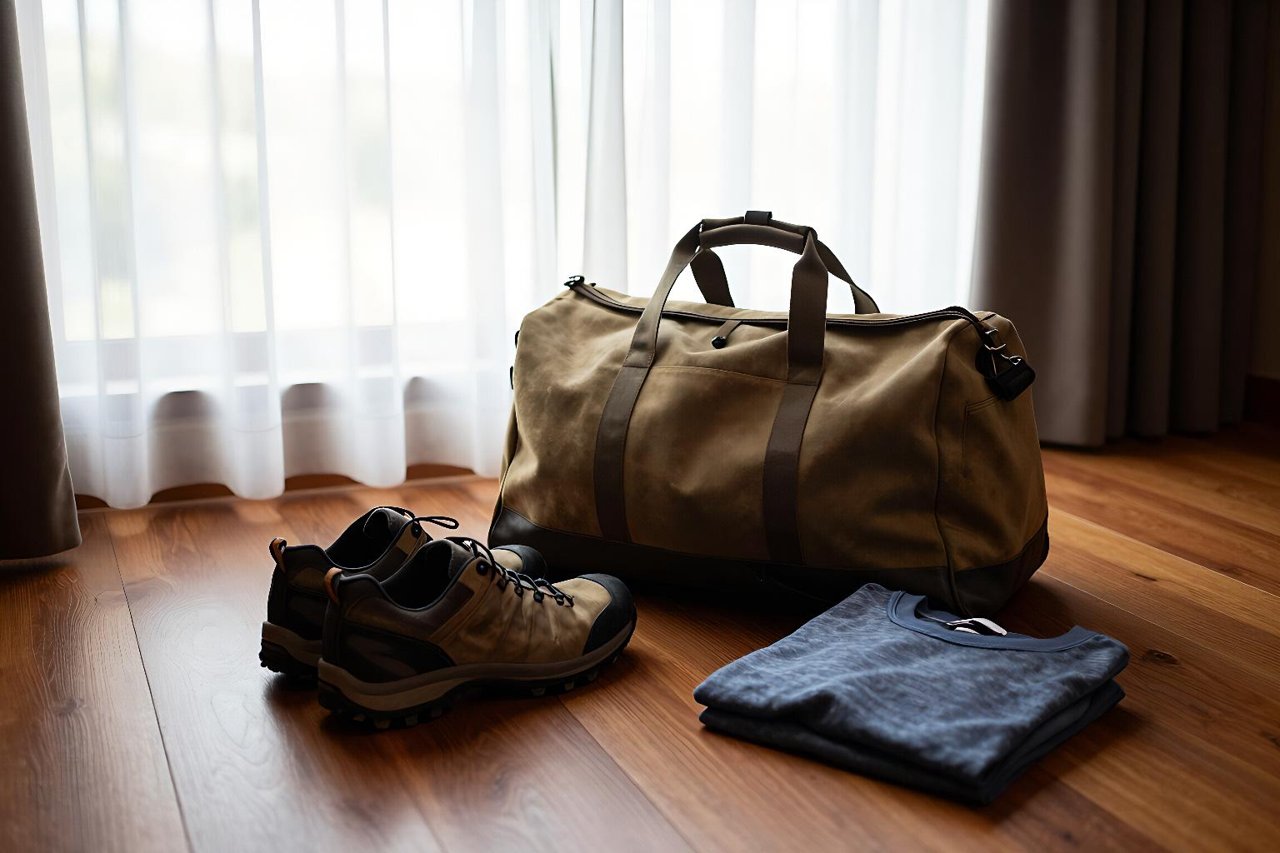
Ask someone who travels constantly how long it takes them to pack and the answer is usually under 30 minutes. Not because they’re fast, but because the list hasn’t changed in years.
- Clothes for three days regardless of trip length. Laundry exists almost everywhere, and hotel sinks have soap.
- One bag they can carry up four flights of stairs without stopping to negotiate with themselves.
- Medication, chargers and a spare pair of underwear in the under-seat bag, because checked luggage goes missing and so do you.
- A flat-lay on the bed before zipping anything. Duplicates become obvious when you see them side by side.
- Nothing “just in case” that still has the tag on it from the last trip.
The empty space isn’t modesty. It’s the room you need for the ceramic bowl, the espresso pot, or the four paperbacks you’ll buy in a city with better bookshops than yours.
They schedule slack instead of activities
A fourteen-day trip with eleven must-sees is not a holiday, it’s a logistics exercise. People who’ve done a lot of this leave the day after a long flight completely empty, and they build one slow day into every four. That gap is where the good stuff happens: the market you didn’t know about, the swim, the second coffee.
The activities they do book, they book properly. A guided bike day, for instance, lives or dies on details like group size, terrain and whether the operator actually stops for lunch. There’s a real difference between a tour that fits your pace and one that drags you up a hill at 8 a.m. in July, which is why reading up on how to choose a bike tour before you commit is worth ten minutes of your evening.
They hang the trip on one odd anchor
There’s a particular move that separates a good trip from a memorable one: pick a single appointment you could not have at home, and build the days around it. A Tuesday morning kendo class in a Tokyo suburb. A bread-baking morning in a village with one bus. A fun run in a city you’ve never seen.
These anchors do more than fill an afternoon. They give you a reason to be somewhere at a specific time, which is how you end up in neighbourhoods no guidebook covers. If you want a sense of how a single hour in the right room can reframe a whole trip, what a Tokyo kendo dojo teaches you about how to live is a good place to start thinking about it.
They ask for help before they need it
The people who move most calmly through unfamiliar cities are often the ones most willing to admit they’re lost. They ask the bus driver which stop they need instead of guessing. They show the address on their phone to the person behind the counter. They plan a route in advance and tell someone where they’re going.
It’s a habit worth learning from people who’ve had to perfect it. Accounts of how blind and visually impaired explorers navigate the world make the point sharply: assistance is infrastructure, not charity, and asking early beats asking in a panic.
They’re deliberate about who comes along
Experienced travelers have usually learned the hard way that the wrong companion can wreck a good destination. So they get picky. They travel with the friend who can laugh at a missed train, and they politely decline the one who needs a printed schedule.
Some of the best company doesn’t talk at all. A dog changes the shape of a trip: the early walk before a town wakes up, the strangers who stop to chat because of the lead in your hand, the afternoon you spend sitting in a park instead of queueing for something. If you’ve been on the fence about it, the conversation around why you and your dog will love travelling together covers the practical side without the sentimentality.
Money and documents get quiet redundancy
Nothing dramatic. Two bank cards, carried in two different places, not both in the same wallet that gets left on a café table. A photo of the passport stored somewhere that works offline. A small amount of local currency sorted before arrival, so you’re not hunting for an ATM at 11 p.m. with a suitcase.
They also learn the local emergency number, and they check that their travel insurance actually covers the thing they plan to do. Boring, unglamorous, and the reason a lost bag becomes an annoyance instead of a disaster.
They under-research on purpose
Here’s the counterintuitive one. Experienced travelers research transport, safety, and where they’re sleeping. Then they mostly stop. They leave the mornings unplanned and the restaurant list short, because a city you’ve already seen in forty photos has a hard time surprising you, and surprise is the entire point of going.
They learn six words of the language, enough to be polite and to make someone smile. They sit in a square for forty minutes doing nothing instead of moving to the next pin on the map. And they accept, eventually, that the trip will not go to plan, which is fine, because the plan was only ever a way of getting there.


