
Table of Contents
A week in Vietnam costs less than a long weekend in London. That’s not a marketing line, it’s arithmetic: about $250 covers ten days of food, transport and accommodation if you eat where locals eat and take the bus instead of the plane. Cheap countries aren’t a compromise on experience either. Some of the most memorable travel on earth happens in places where $40 a day buys a private room, three proper meals and a motorbike rental.
Below are the countries where your money genuinely stretches furthest right now, with the kinds of numbers you can actually budget against.
Vietnam: still the yardstick
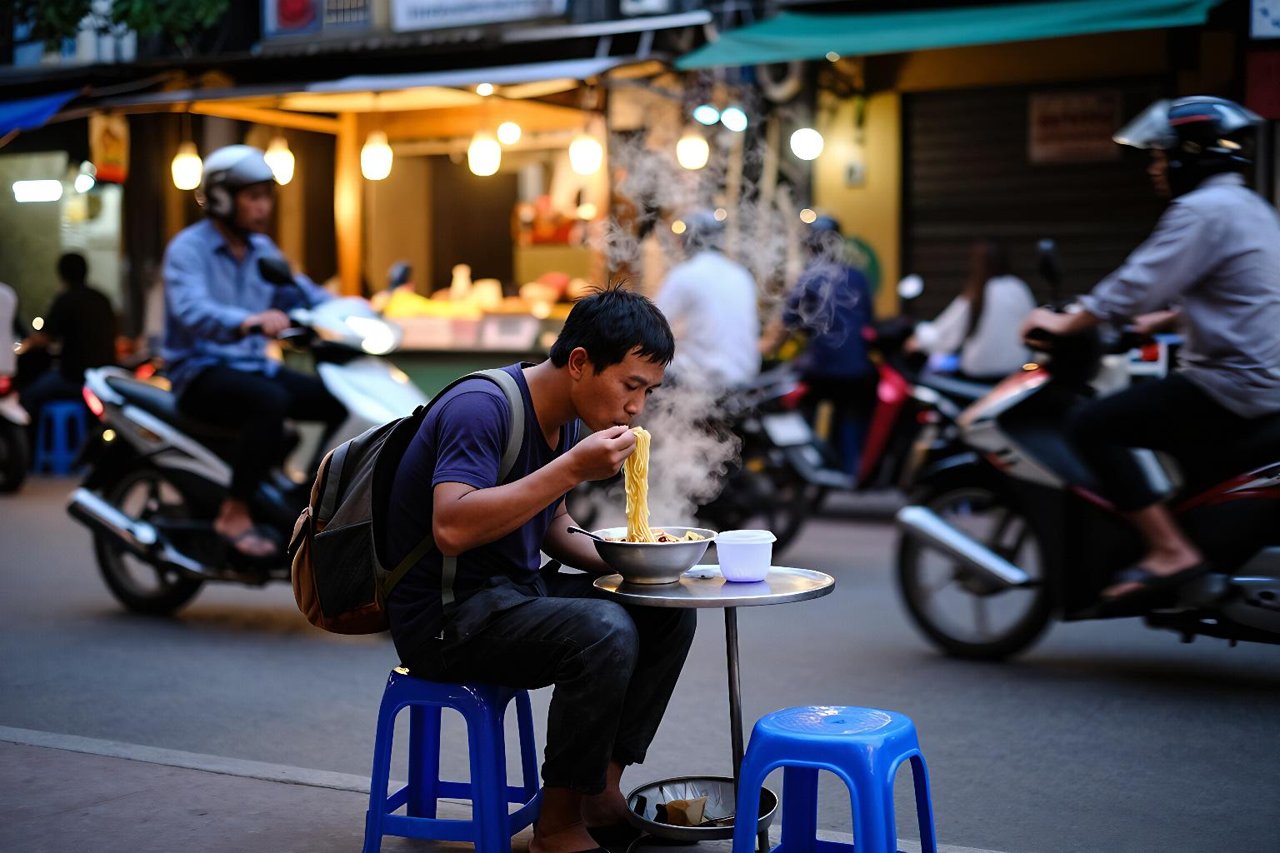
A bowl of phở at a plastic stool in Hanoi costs 35,000–50,000 dong, which is roughly $1.50 to $2. A bánh mì from a street cart runs about a dollar. Dorm beds in good hostels go for $6–$9 a night, and a clean private room with air conditioning in Da Nang or Nha Trang lands around $18–$25.
Backpackers regularly hold to $22–$28 a day without eating badly. Mid-range travellers who want a proper room and the occasional coffee shop sit near $40. The soft sleeper train from Hanoi to Huế costs under $30, and the Ha Giang motorbike loop eats maybe $15 a day in fuel, food and a cheap guesthouse. Vietnam scores because the cheap version of the country is genuinely the good version.

For a wider set of price comparisons across the region, this breakdown of the cheapest places to travel with real budgets is worth reading before you book flights.
Laos and Cambodia: Southeast Asia’s quieter corners
Laos
Laos is slower and less developed than its neighbours, and prices reflect it. A bowl of khao soi or a plate of sticky rice with jeow in Luang Prabang costs 25,000–40,000 kip, about $1.50–$2.50. Guesthouses in Vang Vieng start near $12, and the two-day slow boat down the Mekong to Luang Prabang is a famously cheap journey at around $30 including an overnight stop.
Cambodia
The one unavoidable big cost is Angkor. A one-day pass is $37, and you’ll want a tuk-tuk driver for the day at $15–$20. Everything else is cheap: $5 dorm beds in Siem Reap, $1.50 noodle soups, 50-cent draft beer during happy hour. Siem Reap and Kampot are both easy to do on $30 a day, and the south coast islands still have bungalows under $20.
India: the lowest daily spend on this list
Nowhere else offers this much for so little. A thali in a local restaurant costs 100–200 rupees, or $1.20–$2.40. Sleeper-class trains cover 500km overnight for under $10. Guesthouses in Rishikesh, Hampi or Pushkar run $10–$15 for a double room, and a decent budget hotel in a smaller city is $20.
Realistic figures: $25–$30 a day for a backpacker moving regularly, $45–$55 for someone wanting private bathrooms and the odd air-conditioned room. The e-visa costs about $25 and the country is enormous enough that a month barely scratches it. Watch the internal flight prices though, they’ve crept up; trains remain the budget option and the better experience.
Albania and Georgia: Europe without European prices
Western Europe is out of reach for most budgets, but the continent has cheap corners if you know where to look.
Albania
The Albanian Riviera has beaches that look like Croatia and prices that don’t. A double room in Himarë or Saranda in June is $35–$50, a seafood lunch for two with wine is $25, and intercity buses cost a few dollars. Tirana is even cheaper, and the furgon minibuses that connect the country are absurdly good value. Budget around $45 a day and you’ll eat well.
Georgia
Tbilisi is one of the great cheap city breaks. A plate of khinkali is a couple of lari each, a good bottle of Saperavi is $5–$8, and a stylish guesthouse in the old town runs $30–$40. Many nationalities get 365 days visa-free, which makes it easy to stay longer than planned. Daily spend for a comfortable traveller lands near $40.
Romania and Bulgaria belong in the same conversation. Both have hostel beds under $15 and three-course dinners for $15–$20 outside the capitals.
Guatemala and Bolivia: Latin America’s best value
Latin America is generally pricier than Asia, but these two are exceptions. In Guatemala, a week of Spanish lessons plus a homestay in Antigua costs around $200, and Lake Atitlán villages have rooms for $12–$20. Chicken buses between towns cost a dollar or two.
Bolivia is the cheapest country in South America by a wide margin. The Salar de Uyuni three-day tour is $130–$180 all-in, a set lunch in Sucre is $2.50, and a decent hostel is $8–$12. Budget $30–$40 a day and you’ll travel comfortably.
Some destinations in this bracket punch far above their price, which is the whole appeal of these cheap vacation spots that feel more expensive than they are.
Egypt and Morocco: North Africa on a shoestring
Egypt is remarkably cheap once you’re past the flight. Local food costs $2–$4, trains between Cairo and Luxor are under $15 in first class, and hotels in Luxor start around $20. A full day of sightseeing with a guide and driver is $40–$60 split between two.
Morocco is slightly pricier but still excellent value outside Marrakech. A riad room in Fes or Essaouira is $30–$45, a tagine is $4–$6, and the train network is cheap and reliable.
Habits that keep a daily budget low anywhere
- Travel in shoulder season. Vietnam in May or October, Albania in June, Guatemala in November: same weather, 30–40% lower accommodation.
- Eat where there’s no English menu. The price gap between a tourist restaurant and the place next door is often three times.
- Take overnight transport. A sleeper train or night bus saves a night’s accommodation and a day of travel time at once.
- Withdraw large amounts. ATM fees and foreign transaction charges quietly add 3–5% to everything.
- Book direct. Hostels and guesthouses in cheap countries often beat booking-site rates by 10–15% over WhatsApp or email.
- Skip internal flights. In Vietnam, India, Albania and Guatemala, the bus or train is a fraction of the price and usually more interesting.
Cheap doesn’t mean unsafe
Low prices and low risk aren’t opposites. Vietnam, Georgia, Albania, Rwanda and much of Southeast Asia score well on personal safety, and the main hazards in cheap destinations are the mundane ones: scooter traffic, dehydration, and roads after dark. If peace of mind matters more than price, this look at the safest country in the world according to 2025 data covers the countries that consistently top the index.
Choosing between them
If you have two weeks and want variety, Vietnam or India. If you want beaches without European prices, Albania. If you want mountains and wine and a city you can walk for hours, Georgia. If you want jungle, volcanoes and Spanish lessons, Guatemala.
The number that matters most isn’t the daily budget anyway, it’s the flight. A $35-a-day country with a $900 return fare can cost more than a $70-a-day country you can reach for $300. Work backwards from the total trip cost, give yourself a cushion of about 15% for the things you didn’t plan, and book the cheap country that’s cheapest to actually get to. For more tailored picks, this guide to destinations matched to every travel style narrows it down quickly, and if $50 a day is your ceiling, there’s a solid shortlist of places where $50 a day still buys a real holiday.
One last piece of practical advice: in most of these countries, cash is still king outside the cities. Arrive with a couple of hundred dollars in clean, untorn notes as backup, because the ATMs in smaller towns run dry at weekends and the exchange counter at the airport will always be the worst rate of your trip.


