
Table of Contents
Two cinnamon sticks, a small saucepan, and about twelve minutes. That is the entire recipe for cinnamon tea at home, and it costs roughly 25 to 40 cents a cup depending on what you buy. The trick is knowing which cinnamon to reach for and how long to keep it over the heat, because a badly made cup tastes like hot wood.
Here is the version I keep coming back to, plus the shortcuts for mornings when twelve minutes is a stretch.
Pick the Right Cinnamon First
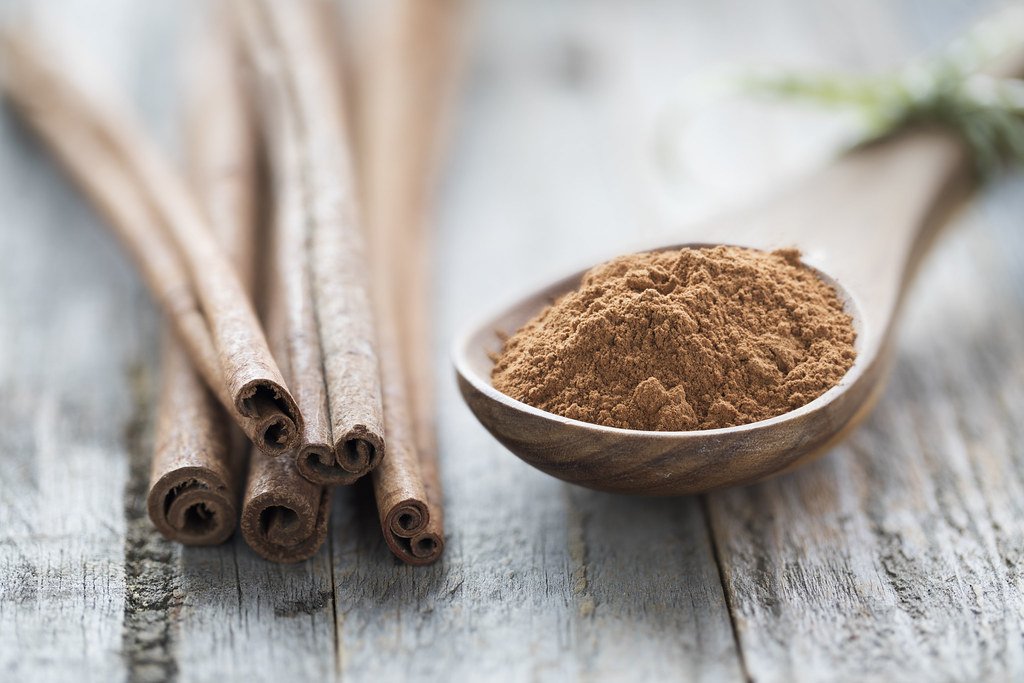
Most supermarket cinnamon is cassia, not true cinnamon. Cassia sticks are thick, dark reddish-brown, and curl inward into one heavy quill. They smell sharp and almost hot. Ceylon cinnamon, usually labelled “true cinnamon” or Cinnamomum verum, comes in thin, brittle, multi-layered rolls that look like little scrolls of paper. It is sweeter, more floral, and far more forgiving in tea.
The difference matters for more than flavour. Cassia carries coumarin, a compound that can stress the liver in large amounts. German risk assessors put the tolerable daily intake at 0.1 mg per kilogram of body weight, which works out to roughly a level teaspoon of ground cassia a day for a 70 kg adult. Ceylon has negligible coumarin, so you can drink it daily without doing arithmetic. If you plan to make this a habit, buy Ceylon.

The Stovetop Method
This is the one worth learning. It pulls the oils out of the bark properly instead of just tinting the water brown.
- 250 ml water (one generous mug)
- 1 Ceylon stick, about 5 cm long, snapped in two
- Honey or sugar, added off the heat
Bring the water and the snapped stick to a boil in a small pan, then drop the heat so it sits at a bare simmer. You want lazy bubbles at the edge, not a rolling boil. Leave it for 10 to 12 minutes with the lid slightly ajar. You will lose about 50 ml to steam, which is fine. The liquid should turn pale amber, the colour of weak apple juice.
Take it off the heat, strain into your mug, and let it cool for two minutes before sweetening. Honey stirred into furiously boiling water loses most of its aroma. Half a teaspoon is usually enough; the tea itself is naturally sweet.
Why simmering beats steeping
Cinnamon bark is dense. The main flavour compound, cinnamaldehyde, sits locked inside the woody cells, and pouring hot water over a whole stick barely touches it. Ten minutes of gentle heat does what an hour in a mug cannot. If you only have five minutes, use ground cinnamon instead of trying to rush a stick.
The Five-Minute Version
Use half a teaspoon of ground Ceylon cinnamon per 250 ml of water that has just come off the boil. Whisk it in, wait five minutes, then strain through a fine mesh sieve lined with a paper coffee filter. The result is cloudier than the stovetop version and slightly more powdery in the mouth, but it tastes right. A French press works well here too: add the powder, pour, plunge after five minutes.
One warning. Ground cinnamon clumps. Whisk while pouring or you will end up with a dry clump at the bottom of the mug that no amount of stirring fixes.
Three Variations Worth Trying
Honey and lemon
Add a thin slice of lemon and a teaspoon of honey to a mug of finished tea. The acid cuts the sweetness and makes the cinnamon read brighter. Good for a sore throat, and better than the powdered sachets sold for the purpose.
Milky cinnamon tea
Simmer one stick in 150 ml water for eight minutes, then add 150 ml whole milk and heat for another three minutes without letting it boil. Sweeten with honey. This is close to a basic masala chai base; add two crushed cardamom pods and a slice of ginger at the start and you are most of the way there.
Iced cinnamon tea
Brew at double strength (two sticks to 250 ml, simmer 15 minutes), strain, and chill. Pour over ice with a splash of orange juice and top with soda water. It keeps in the fridge for three days.
Make a Concentrate and Stop Brewing Daily
Ten sticks in a litre of water, simmered for 25 minutes until the liquid drops to about 600 ml, gives you a week of tea. Cool it fully, bottle it, and keep it in the fridge for up to five days. Dilute roughly one part concentrate to three parts hot water. The flavour is stronger and rounder than a fresh single cup, because the reduction concentrates the oils. It also means a cup takes about forty seconds on a work morning.
Four Mistakes That Ruin the Cup
Boiling it hard. A rolling boil for ten minutes pulls out bitter, astringent notes and leaves a drying sensation on your tongue. Keep it at a simmer.
Using too much cinnamon. Two sticks in one mug is not twice as good. It creates a numbing, almost medicinal taste and a powdery texture on the back of the throat. One stick per 250 ml is the ceiling.
Keeping stale sticks. Old cinnamon smells of dust. Snap a stick; it should crack cleanly and release a strong scent. If it bends without breaking, bin it.
Buying ground when you can buy sticks. Ground cinnamon loses its punch within about six months. Whole sticks hold for two years in a sealed jar away from light. Buy sticks, grind small amounts yourself if you need powder.
When to Drink It
Plain cinnamon tea has no caffeine, which makes it useful at the ends of the day. I drink it mid-morning instead of a second coffee, and again an hour after dinner, when the sweetness satisfies a dessert craving without any actual dessert. The milky version is a decent evening drink if you use warm rather than boiling milk.
One practical note: cinnamon tea does not need to be a health project. It is a pleasant warm drink with a strong aroma and almost no cost. Buy good sticks, simmer them gently, and keep a jar of Ceylon bark in the cupboard next to the tea. Twelve minutes, one pan, and you have something better than anything that comes in a sachet.


