
Table of Contents
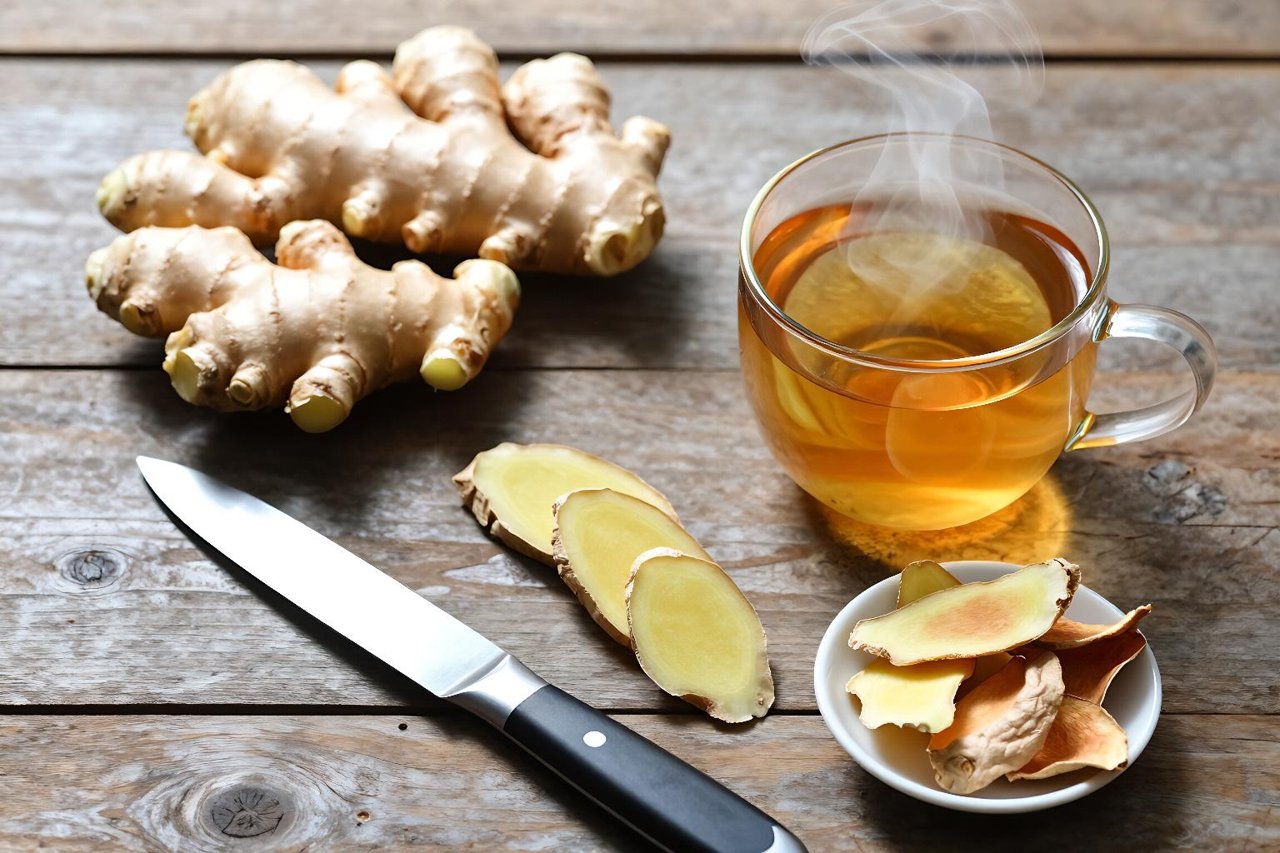
There is a specific moment that separates the two camps. You are standing in the kitchen with a knobbly piece of ginger root on the chopping board, a knife in one hand, and a box of tea bags in the cupboard. Both will produce something you would call ginger tea. They will not produce the same drink.
The difference is not snobbery. It is chemistry, cost, and about four minutes of your morning. Here is what actually separates fresh ginger from bagged ginger tea, and when each one wins.
What Is Actually Inside a Ginger Tea Bag
Most commercial ginger tea bags contain dried, milled ginger root, often blended with lemongrass, licorice root, black tea, or citrus peel. A standard bag holds roughly 1.5 to 2 grams of plant material. In a blended “ginger and lemon” product, ginger might make up only 40 to 60 percent of that weight.
Drying does something useful and something unhelpful at the same time. It concentrates the flavour by weight, but it also drives off many of the volatile aromatic oils that give fresh ginger its bright, citrusy lift. The result is a rounder, warmer, slightly earthier heat, closer to baking spice than to the sharp zing of a freshly bruised rhizome.

Read the ingredient line, not the front of the box
“Ginger flavouring” is not ginger root. Neither is a bag where ginger appears fourth on the list behind apple pieces and hibiscus. If you want a real punch of ginger, look for products that list ginger root first, or 100 percent ginger, and check the grams rather than the marketing copy.
Fresh Ginger Brings More Than Heat
A fresh rhizome is about 80 percent water, which is why it tastes so clean. Its bite comes largely from gingerol, a compound that transforms into zingerone and shogaol when exposed to heat or drying. That is why cooked ginger tastes sweeter and less aggressive than a raw slice, and why dried ginger in a bag tastes deeper but flatter.
Fresh root also gives you control no bag can match. Slice it thin for a delicate cup, crush it with the flat of a knife for a fiery one. Twenty grams of ginger in 300ml of water makes a cup that will clear your sinuses. Eight to ten grams makes something gentle enough to drink through a whole afternoon.
Where Tea Bags Quietly Win
Consistency matters more than most people admit. A bag delivers the same cup every single time, whether you are half asleep or answering emails. There is no peeling, no knife, no compost, and no half-used root slowly shrivelling at the back of the fridge.
Shelf life is another real advantage. Sealed ginger tea bags typically keep for 18 to 24 months. A fresh root is at its best for three to four weeks. For an office drawer, a hotel room, or a handbag, the bag is not a compromise. It is the correct tool.
Side by Side: How the Two Actually Compare
- Flavour: Fresh is sharp, citrusy and almost floral at the edges. Dried and bagged is warmer, rounder and more mellow, with a longer, softer finish.
- Strength control: Fresh lets you dial heat up or down by the slice. A bag is a fixed dose.
- Cost per cup: A 200g root costs around £2 to £3 and yields 10 to 20 cups. A box of 20 bags costs £3 to £5. Roughly comparable, though fresh wins if you buy from a greengrocer.
- Time: Bags take 3 to 5 minutes. Fresh needs 8 minutes of simmering, plus slicing.
- Caffeine: Pure ginger of either kind is naturally caffeine-free. Check blends, which may include black or green tea.
- Waste: Fresh creates peelings and pulp. Bags create packaging, though many are now plastic-free and compostable.
Brewing Fresh Ginger So It Does Not Turn Harsh
Most disappointing homemade ginger tea is disappointing for a fixable reason. Here is the method that consistently works.
Use about a thumb-sized piece, roughly 15g, for a 300ml mug. Slice it into coins about 2mm thick and leave the skin on if the root is organic and scrubbed. Bring the water to a gentle simmer, add the slices, and cover the pan. Simmer for 8 to 10 minutes. The lid matters more than people realise: it traps the volatile oils that would otherwise escape with the steam.
Three common problems, three fixes
Bitter and soapy: you have simmered too long or used a very old, dried-out root. Cut the time to six minutes and taste as you go. Weak and watery: too little ginger, or slices so thick the water never penetrates them. Harsh and throat-scraping: a rolling boil with no lid. Keep it at a bare simmer.
Add honey or lemon off the heat, never during. Boiling honey mutes its flavour, and lemon zest turns bitter when cooked for long.
Storing Root So It Stays Usable
A whole, unpeeled root keeps for three to four weeks in the fridge, wrapped loosely in a paper bag rather than plastic. Once cut, wrap the exposed face tightly and use it within a week. For longer storage, grate the whole root and freeze it in a small bag, breaking off what you need. Frozen ginger does not need defrosting before it hits the pan.
The Middle Ground Worth Knowing
Between a fresh root and a dusty bag sits dried ginger in slices or pieces, sold loose in Asian supermarkets and spice shops. These are usually far more pungent than what is inside a mainstream tea bag, because the pieces are larger and less processed. Simmer them for 10 minutes and you get a brew close to fresh, with a much friendlier shelf life.Ground ginger is a different story. It turns a cup cloudy and gritty, and it is easy to overdo. If you must use it, half a teaspoon is plenty for a mug, stirred into hot water and left to settle.
Matching the Method to Your Day
On a rushed weekday, a good quality bag is the honest answer. Ten seconds, no washing up, and a cup warm enough to carry you to the desk. Choose one that lists ginger root first and gives a decent weight per bag.
On a slow Sunday, or when you feel a cold coming on and want the full medicinal hit, fresh root is worth the eight minutes. Make a larger batch while you are at it: simmer 50g of sliced ginger in a litre of water for 12 minutes, strain it, and keep it in the fridge for up to three days. Warm a cup at a time. You can also freeze the strained infusion in an ice cube tray and drop a couple of cubes into a mug for an instant, properly strong cup.
Both methods have a place, and the best drinkers of ginger tea tend to keep a box in the cupboard and a root in the fridge drawer. The bag handles Tuesday. The root handles the days you actually want to taste something.


