
Table of Contents
For most travelers, Antarctica is the ultimate “one day” destination. But turning that daydream into a real booking takes more than enthusiasm. You need to think about timing, route, ship, and a very large pile of warm clothing. This guide breaks down the key decisions so you can plan Antarctica trips with confidence.
The Short Antarctic Season: When to Go
Antarctica doesn’t follow the usual travel calendar. Its visitor season runs only from late October to March, when the Southern Hemisphere offers milder temperatures and sea ice retreats enough to allow navigation. December is especially popular because it marks the early summer, when penguin colonies are busy with nesting and chicks are just beginning to appear. If you’re still weighing holiday options for that month, this list of the best places to go in December, from winter wonderlands to tropical escapes, might tempt you away from the ice. But in my book, the white continent wins.
Month-by-Month Breakdown
- November: Spring arrives. Heavy sea ice, fresh snow, and penguin courting. Best for pristine scenery and fewer ships.
- December: Chicks start hatching, and the peninsula’s mosses and lichens burst with color. Longest daylight hours.
- January: Penguin chicks grow fast and form crèches. Whale sightings pick up as krill swarms attract humpbacks.
- February: Peak whale watching. Some days feel almost balmy, and ice conditions allow deeper exploration.
- March: Late season sees massive whales, stormier weather, and lower cabin prices for the bold.
Choosing Your Route: Peninsula, Circle, or Weddell Sea
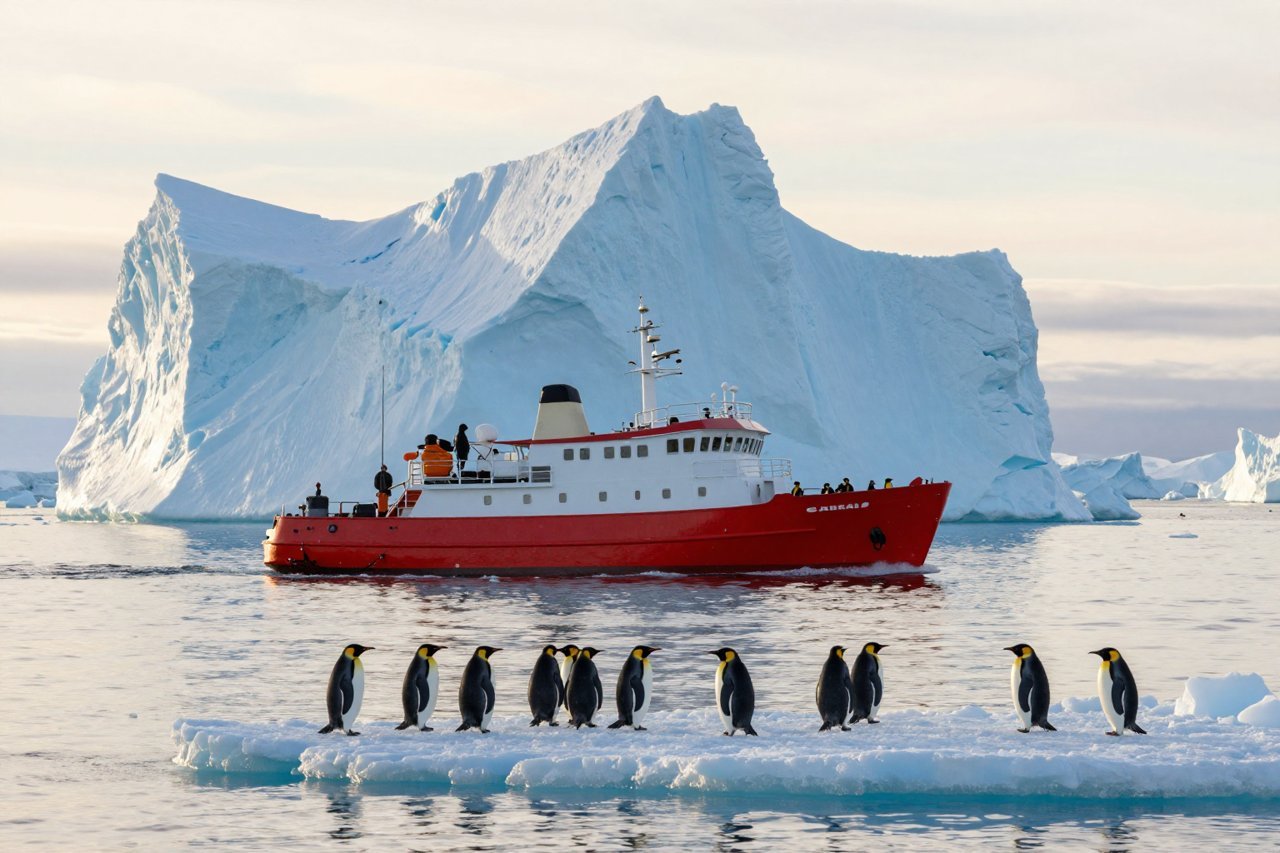
Most first-timers sail to the Antarctic Peninsula, the finger of land that reaches toward South America. That’s a 10-12 day voyage with multiple landings, and it’s what most people picture when they search for Antarctica trips. The Ultimate Antarctica Expedition is a good example of this classic itinerary, combining the Drake Passage crossing with daily zodiac rides and shore landings. If you have more time, a longer voyage that crosses the Antarctic Circle takes you further south into a quieter, more remote region. The Weddell Sea route offers giant tabular icebergs and the famous emperor penguin colonies, though ice conditions can sometimes force detours.
The Ships That Take You There: Expedition Vessels vs. Large Cruise Ships
The type of vessel you choose makes or breaks the trip. Large cruise ships can carry thousands of passengers, but they lack the agility and small-boat fleet needed for regular landings. Expedition ships, carrying 100 to 200 passengers, are designed for polar waters and allow everyone to go ashore in small groups. A pioneer in these waters is Hurtigruten, whose expedition style originated in Norwegian coastal voyages and has evolved into true polar adventure. As noted in this piece on what makes Hurtigruten expeditions a true Arctic adventure, the same rigour and respect for wild places carries over to their Antarctic operations. These vessels carry geologists, biologists, and historians who turn each day into an informal lecture series.

What to Pack for Antarctica Trips
Packing is all about layers. Expedition ships provide a heavy-duty parka, but you’ll need everything from base layers to a water-resistant outer shell. Here’s a quick list:
- Thermal underwear: merino wool or synthetics, two or three sets
- Mid layers: fleece or down jacket
- Waterproof/windproof trousers and jacket
- Rubber boots for landings (mostly supplied, but check)
- Waterproof gloves and a warm hat
- Polarized sunglasses: the glare off ice is intense
- High-SPF sunscreen: yes, you can burn on the ice
- Binoculars for wildlife spotting
- Motion sickness medication for the Drake Passage
- A good camera with spare batteries (cold drains them fast)
Don’t overpack cabin luggage, but do bring a sense of flexibility. Weather dictates the itinerary, and your plans might change with a day’s notice.
The Wildlife: Penguins, Whales, and Seals
Antarctica doesn’t have welcoming wildlife. It has the wildlife that simply doesn’t see humans as a threat. Penguins waddle right up to the red-jacketed expeditioners, who are told to keep at least five metres away but often find themselves surrounded. Gentoo, chinstrap, and Adelie penguins are common along the peninsula. Later in the season, humpback whales and orcas patrol the krill-rich waters, while leopard seals lounge on drifting ice. In February, multiple whale sightings in a single zodiac ride are common. That’s the moment when a camera falls away and you just watch.
Getting Involved: Citizen Science and Research
Many expedition ships don’t just tour Antarctica; they contribute to research. Passengers can assist with citizen science projects like counting seabird populations, sampling ocean salinity, or photographing glaciers for later analysis. It’s a way to turn a voyage into something more purposeful. If you’re interested in projects that blend travel with discovery, you might want to explore the growing field of citizen science travel, which covers these hands-on volunteer roles on ships and in field camps.
The Cost and How to Save
A seven-to-ten-day Antarctica trip typically starts at US$6,000 per person for a cabin on a basic expedition ship and can exceed $15,000 for suites or luxury vessels. Last-minute deals can drop prices by 30-40%, but they’re only available if your schedule is flexible. Another trick is to book a one-way sailing from Ushuaia to the Peninsula and fly back from King George Island, which cuts down the Drake Passage time. Many travellers also raise funds or combine the trip with a longer South America itinerary to spread the cost.
What No One Tells You About Crossing the Drake Passage
The Drake Passage is the body of water between Cape Horn and Antarctica, and it’s notorious for rough seas. You might get lucky with a “Drake Lake”, calm conditions that feel like a cruise, or you’ll hit the “Drake Shake”, with waves that can leave your stomach somewhere near the top deck. Prepare for the worst, then enjoy the relief when you arrive. Many people panic about the crossing, but expedition crews handle it daily. The crossing takes two days each way, and it’s a useful time to attend lectures, rest, and get your sea legs.
Why Antarctica Changes You
There isn’t a single landscape on Earth that compares to the continent. The light is different, the silence is different, and the scale of the ice is humbling. When you watch a penguin colony scatter from you, or stand next to a glacier that calves with a sound like a freight train, the trip rewires something in you. You start to understand why so many people who visit once start planning a return. It’s not just a destination; it’s a reference point for everything after.


