
Table of Contents
Botox has become a household name in cosmetic medicine, but there’s still plenty of confusion about what it actually does. Whether you’re considering it for the first time or just curious about the science, this guide breaks down the essentials—no fluff, just facts.
How Botox Works
Botox is a purified form of botulinum toxin type A. When injected in small, controlled doses, it temporarily blocks nerve signals to specific muscles. This prevents the muscle from contracting, which smooths out dynamic wrinkles—those lines that form from repeated facial expressions like frowning or squinting.
The Mechanism of Action
The toxin binds to nerve endings and stops the release of acetylcholine, the neurotransmitter that tells muscles to contract. Within days, the treated muscle relaxes, and the overlying skin becomes smoother. The effect is localized and does not spread to other areas when injected correctly.
How Long Does It Last?
Results typically appear within 3–7 days and last 3 to 4 months. As the nerve endings regenerate, muscle movement gradually returns. Regular treatments often extend the duration, but the timeline varies by individual. If you stop, your face simply returns to its pre-treatment state—nothing more. For more on that, read about what actually happens if you stop getting Botox.

Common Uses of Botox
Cosmetic Applications
The most popular cosmetic uses are for forehead lines, crow’s feet, and glabellar lines (the “11” between the brows). It can also lift the eyebrows, soften a gummy smile, and reduce chin dimpling. The procedures are quick—often called “lunchtime treatments”—and require no downtime.
Medical Applications
Botox isn’t just about wrinkles. It’s FDA-approved for chronic migraines, overactive bladder, cervical dystonia (neck muscle spasms), and even excessive sweating, or hyperhidrosis. Injections into the armpits, palms, or soles can dramatically reduce sweat for months. Botox’s role in reducing sweat is well-documented and offers relief for those who don’t respond to antiperspirants.
What to Expect During Treatment
The Procedure
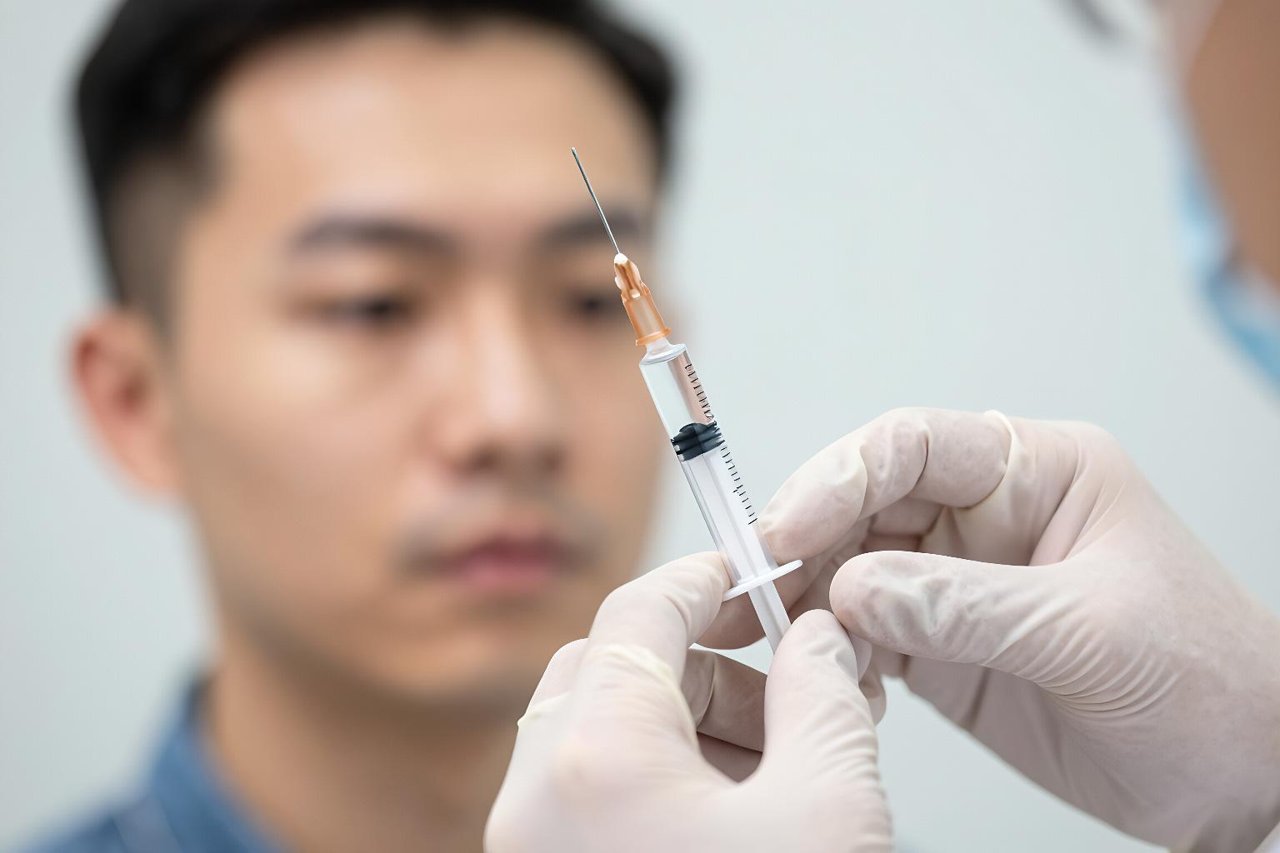
A typical session lasts 10 to 20 minutes. Your provider will mark injection points, then use a tiny needle to administer small amounts of Botox. Most people describe the sensation as a quick pinch. No anesthesia is needed, but a cold pack can numb the area if you’re sensitive.
Aftercare and Recovery
You can resume normal activities immediately, but there are a few guidelines: avoid rubbing the treated area for 24 hours, don’t lie down for 4 hours after injection, and skip strenuous exercise for a day. This prevents the toxin from migrating. Mild bruising or swelling at injection sites is normal and resolves in a few days.
Results and Longevity
Timeline
You won’t see results instantly. Day 1 looks normal, then by day 3–5 the muscles start relaxing. Full effect is usually visible by day 10–14. The lines gradually return over months, but they often appear softer than before due to reduced muscle movement.
Maintenance
To maintain results, most people schedule treatments every 3–4 months. Consistency can sometimes stretch intervals. If you decide to stop, your face will not “fall” or sag. As explained in Megan Hilty’s experience with stopping Botox, the changes are gradual and reversible.
Side Effects and Safety
Botox is generally safe when administered by a qualified professional. Common side effects include temporary bruising, headache, or a droopy eyelid if the toxin spreads (rare with proper technique). Serious complications are extremely uncommon. Always choose a licensed medical provider—not a medspa with minimal oversight.
Alternatives to Botox
Not everyone wants injections. For those seeking less invasive options, certain skin-care ingredients can mimic some effects. Products containing peptides, argireline, and GABA are often marketed as “Botox in a bottle.” Dermatologists weigh in on 11 such products and rate their efficacy. Another option is microcurrent devices like the ZIIP Halo, which use electrical stimulation to tone facial muscles and smooth wrinkles.
If you’re exploring broader anti-aging strategies, start with a comprehensive guide backed by science that covers everything from retinoids to light therapy.
Making an Informed Decision
Botox is a tool, not a magic wand. Understanding its strengths and limitations helps you set realistic expectations. Start with a consultation, ask about your provider’s experience, and discuss your goals openly. The best results come from a tailored approach—not a one-size-fits-all treatment. Whether you choose Botox, an alternative, or a combination, the key is to prioritize safety and choose what makes you feel confident.


