
115
Global Outrage As Iceland Prepares To Resume Fin Whale Hunts Amid Rising Opposition – World Animal News

Table of Contents
[ad_1]
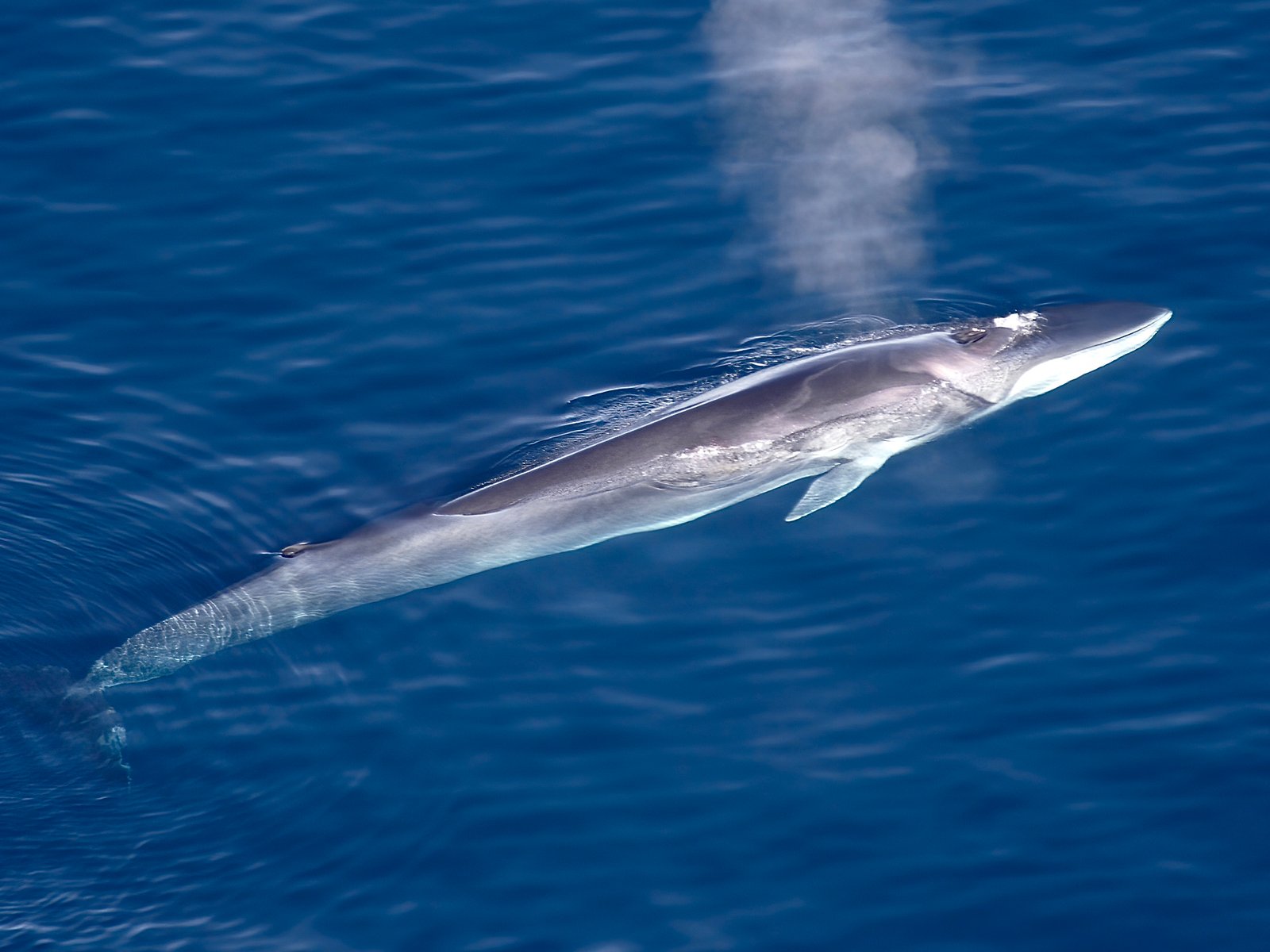
Iceland has made the decision to resume the killing of more endangered fin whales, continuing the archaic practice that has resulted in more than 1,000 fin whales being killed since commercial whaling resumed in 2006. The move has sparked widespread international outrage, with animal welfare advocates arguing that whaling is cruel, outdated, and indefensible in today’s world.
Fin whales, the second largest animals on Earth, face immense suffering during hunts, often enduring prolonged deaths after being struck by explosive harpoons. Conservationists warn that continued hunting threatens fragile populations that recover slowly due to the species’ low reproductive rate.
At the center of Iceland’s whaling industry is Hvalur hf., the country’s primary commercial whaling company, led by Kristján Loftsson. The company has conducted nearly all of Iceland’s fin whale hunts in recent decades, though operations have not occurred every year due to less demand for whale meat, regulatory pauses, and policy decisions.
In a statement from the Paul Watson Foundation UK:
“Iceland is preparing to harpoon fin whales in the North Atlantic again this summer. Kristjan Loftsson, head of Hvalur hf., is pressing for a new (potentially increased) commercial quota, despite previously failing to fully use the ones he had.
“Despite the International Whaling Commission’s global moratorium on commercial whaling, Iceland continues the practice alongside Norway and Japan, even as demand for whale meat declines and whale watching generates far greater economic value.
“There is no market for fin whale meat. There is no humane way to kill one at sea. There is no justification, only a refusal to let go of an industry that no longer has a place in the modern world.”
Iceland withdrew from the International Whaling Commission in 1992 and rejoined in 2002 with a reservation allowing it to continue commercial whaling under its own licensing system, a position that remains deeply controversial.
With whale meat demand continuing to decline, and viable non-lethal alternatives such as whale watching already well established, animal advocates argue there is no sustainable justification for continued hunts. They say governments should take decisive action to bring commercial whaling to a permanent end.
World Animal News and Peace 4 Animals are demanding an immediate global ban on commercial whaling. We urge Iceland, Norway, and Japan to act on global opposition now and end this cruel practice once and for all.
“If these ships sail, they will not sail unwatched, unchallenged, or unanswered,” stated the Paul Watson Foundation UK.
[ad_2]
Source link


