
Table of Contents
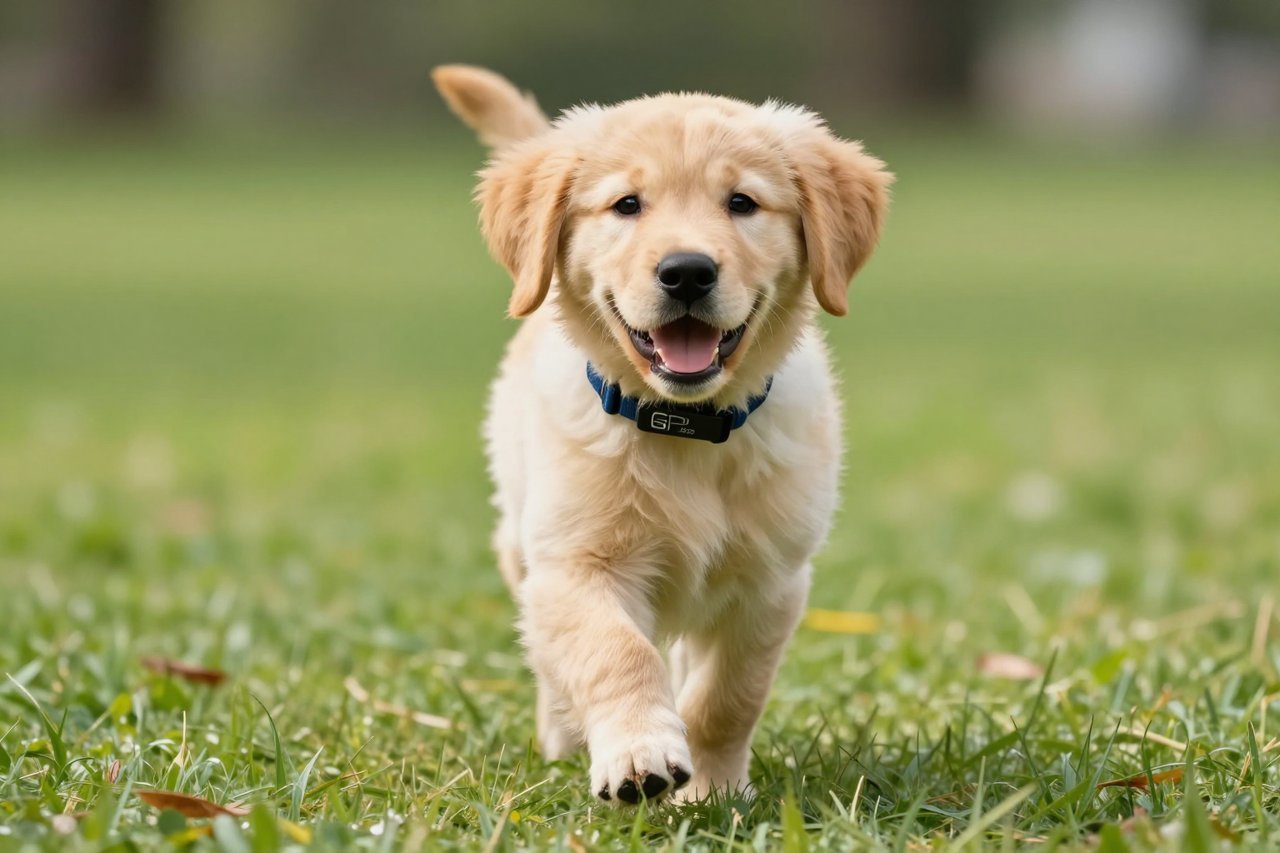
The moment you bring a puppy home, you realize they don’t come with brakes. Their entire world is a buffet of smells, and their favorite place to explore is usually just on the other side of the door you left open for two seconds. Before you panic-Google “how to find a lost puppy”, there’s a smarter move: a GPS puppy collar. It doesn’t just track your dog’s every move – it alerts you the second they stray outside a safe zone, which means you can usually stop that runaway attempt before it really gets going.
A GPS puppy collar is exactly what it sounds like: a lightweight, waterproof gadget that slips into the back of your pup’s usual collar (or comes as an all-in-one) and uses satellites to pinpoint their location within a few meters. The real kicker? It works anywhere there’s a phone signal, so it’s not limited to line of sight like the old radio trackers. That’s why so many vets and trainers now recommend them as standard gear for the first year of a dog’s life.
Why Your Puppy Needs a GPS Collar
Puppies are tiny, quick and have absolutely no sense of danger. They’ll squeeze through a gap in the fence, follow a squirrel across a main road, or slip out the front door while you’re carrying in the groceries. According to the American Kennel Club, roughly 1 in 3 pets will go missing at some point in their life, and puppies are the age group most likely to wander off because they haven’t yet learned fear or consequence.
Even the best lost pet prevention tips – like securing fences, microchipping and never leaving doors wide open – can’t cover every loophole, especially with a curious 10-week-old. That’s where a GPS collar comes in as a backup. It gives you a live map of your puppy’s position, so the window of time they’re genuinely “missing” shrinks from hours to minutes.

GPS Collar vs. Bluetooth Tracker: Know the Difference
You might see cheap “trackers” online for less than ten dollars, but be careful: those are usually Bluetooth tags, not GPS. They only work when they’re within about 30 to 50 meters of your phone, and they rely on a community network of other users to pick up their signal if your puppy gets further away. For a lost puppy in a new area, that’s not nearly fast enough.
A true GPS puppy collar uses satellites and a cellular network. It’s slightly more expensive and usually requires a monthly subscription, but it gives you real-time updates on your dog’s location no matter how far they roam. The best models update every 5–15 seconds, so you can watch your puppy’s little dot move across the map and even follow them in a car.
Real-Time Tracking and Geofencing
Most GPS collars have a geofencing feature. You draw a virtual boundary around your home, yard, or wherever your puppy is allowed to roam. The moment the collar’s GPS signal crosses that line, you get an instant alert on your phone. That’s priceless when you’re in another room or when the puppy slips out unseen.
Some models also let you track live movement history – useful for seeing whether your puppy is spending a lot of time at the end of the yard (maybe digging) or if they’ve found a favorite spot behind the shed.
What to Look for in a GPS Puppy Collar
Not all GPS collars are created equal, and for a puppy, the differences matter. Here’s what I’d check before you spend your money:
- Weight and size: The collar should be lightweight (under 45g ideally) so it doesn’t drag on your puppy’s neck or affect their balance. Many brands offer a smaller “puppy” version with a narrower strap.
- Battery life: A GPS unit drains power faster than you think. Look for 2–5 days on a single charge, so you’re not charging it every night after a busy day.
- Subscription costs: The initial price is only half the story. Most GPS collars need a monthly or annual data plan, which can range from $5 to $15 a month. Check the details before you buy – some have no monthly fee but limit the number of location updates.
- Durability and waterproofing: Puppies are basically tiny chew machines with legs. The collar needs to be waterproof (IP67 or higher) and well-constructed enough to survive a bite or a roll in a muddy puddle.
- Activity monitoring: Some GPS collars double up as activity trackers, recording steps, sleep, and rest time. That’s handy for learning how much exercise your pup really needs, but it usually costs extra. If you’re curious about how activity tracking works in real life, check out this guide to the best Cavalier activity trackers for a breed-specific look.
Battery Life and Charging
There’s a trade-off: a smaller battery makes the collar lighter but means more frequent charging. If you’re home most of the day, a 24-hour battery might be fine. If your puppy goes to daycare or you’re out hiking, you want at least 48 hours. A few models have a “power saving” mode that updates less frequently but stretches the battery to a week – great for travel.
Subscription Fees and Hidden Costs
One common mistake is focusing only on the upfront price. A cheap collar with a mandatory $10-a-month subscription isn’t cheap at all. There are a couple of brands that offer lifetime tracking with no subscription, but they’re less accurate and often update every few minutes rather than in real time. Make a decision based on your budget and how much detail you need.
How to Introduce the GPS Collar to Your Puppy
Puppies don’t understand why you’re buckling a piece of plastic around their neck, so don’t just strap it on and walk out the door. Start by letting them sniff the collar while you’re sitting on the floor – give them a treat for curious sniffing. Then put it on for five minutes during a meal, and take it off while they’re still enjoying themselves. Repeat that a few times, gradually increasing the time.
The most important thing is to pair the collar with positive experiences. Feed them a treat, play a game of tug, or take them for a short walk while they’re wearing it. If your puppy seems stressed, slow down and go back to shorter sessions. This kind of gentle introduction works much better than forcing it – and if you need more positive reinforcement techniques, these practical dog training tips will help you build trust with your pup.
Integrating GPS with Your Training Routine
A GPS collar is not a substitute for recall training. It’s the opposite: it gives you the confidence to let your puppy off-leash in a safe area, which is exactly how they learn to come back when you call. When you’re practicing recall, keep an eye on the GPS map so you know where your puppy is. If they run off in the wrong direction, you can call them before they get too far – a critical window for young dogs.
The data from the collar can also tell you a lot about your puppy’s habits. If your pup always makes a beeline for the same spot in the yard, you can treat that spot as a potential escape route and block it off. If the collar shows high anxiety when you leave for work, maybe you need to work on separation anxiety before it escalates. GPS tracking gives you more than just location – it gives you insight into your puppy’s mind.
The Real Payoff: Never That Sickening Sinking Feeling
The best thing about a GPS puppy collar isn’t the map or the battery life. It’s the moment when your puppy darts through the front door and your phone buzzes. You glance down, see exactly which way they ran, and you’re out the door within seconds. You catch up to them before they’ve even realized they’re free. Compared with the alternative – sprinting around the neighborhood, calling their name, asking strangers if they’ve seen a fluff ball – that is a better kind of day.
Of course, you should still microchip, get your pup accustomed to a crate, and keep your fences in good repair. But for a puppy, the first year is the danger period, and a GPS collar gives you a safety net that’s always on.


