
Table of Contents
Training a dog can feel like learning a new language. You say one thing, your dog hears something completely different, and before long you’re both frustrated. The good news is that the most effective training isn’t complicated. It’s built on a few solid principles that work with your dog’s natural instincts rather than against them. Here are the seven best dog training tips that hold up in real life, whether you have a squirmy puppy or a stubborn adult.
1. Understand What Your Dog Is Really Learning
Every interaction is training. When your dog jumps on you and you push them away, they might learn that jumping gets your hands on them. When they bark at the window and you yell, they might learn that barking makes you join in. Your dog is always paying attention to what gets rewarded, and the reward can be your attention, a treat, or even the chance to sniff something interesting.
Start by asking yourself: “What did my dog just get out of that?” If the answer is anything your dog enjoys, the behavior will happen again. The fix is to make sure good behavior earns good things and unwanted behavior earns nothing at all. That means ignoring the jump and waiting for all four paws on the floor, then giving attention. Simple but not easy.
2. Manage the Environment Before You Manage the Behavior
You can’t train behavior you can’t prevent. If your dog raids the trash, don’t rely on telling him off. Put a lid on the bin or keep the kitchen door closed. If your dog bolts out the front door, set up a baby gate or use a leash inside. Management doesn’t mean giving up on training, it means giving your dog a fair chance to succeed.

A good example is the GPS collar advice many owners rely on as a backup for escape artists. Even the best trained dog can spook, and knowing you can locate them instantly takes the edge off training outdoors. Use management to reduce mistakes, and you’ll have more patience for teaching.
3. Use Treats That Actually Deliver
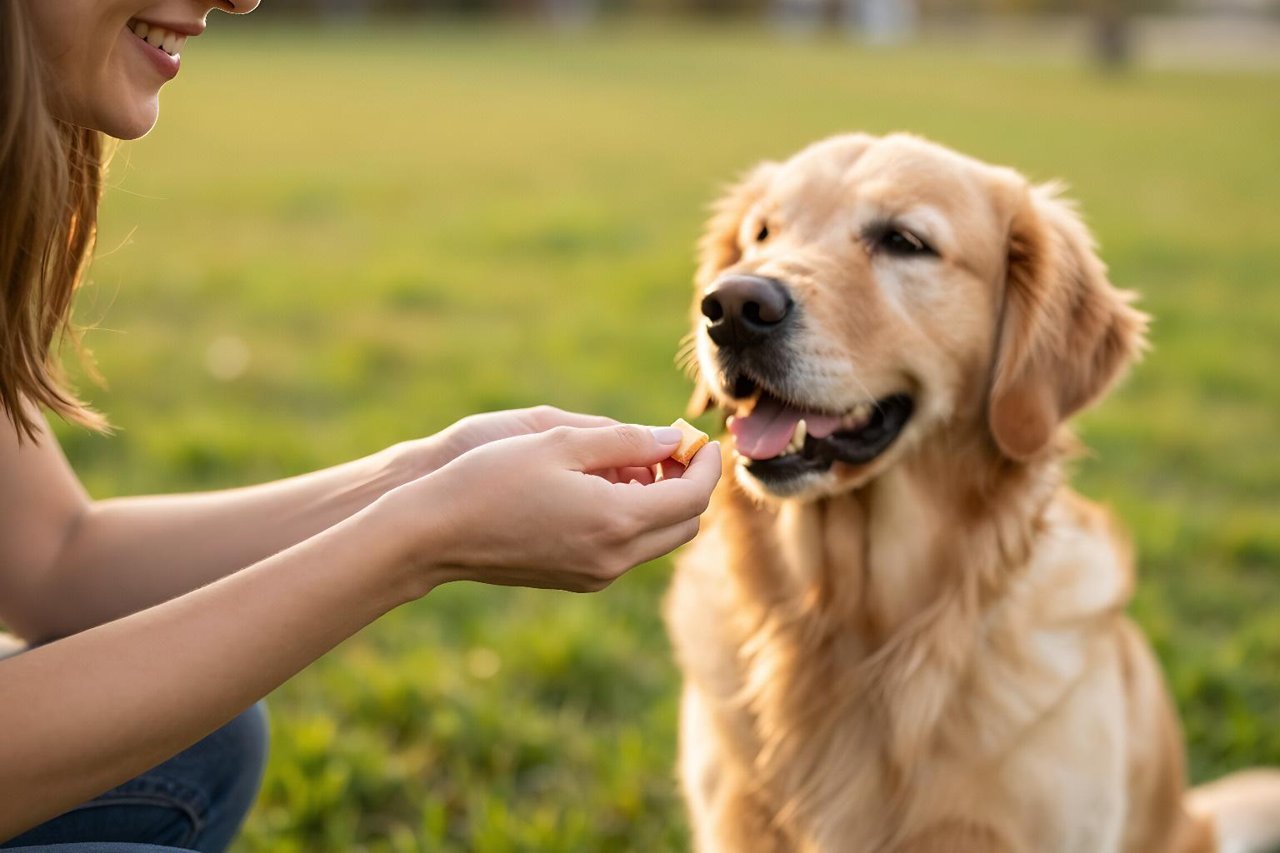
Your dog may love their kibble, but for training, you need something turbo-charged. Boiled chicken, cheese, hot dog slices, or store-bought training treats all work as long as they’re small, soft, and high-value. If a treat is just another routine meal, why should your dog work for it?
This is especially true for picky dogs. If you’re struggling to find something your dog will work for, the best dog food for picky eaters often needs a little extra spice. Keep the good stuff in a treat pouch or a little baggie on your belt. Use it only for training and you’ll see your dog’s eyes light up when you reach for it.
4. Teach a Recall That Works Even at the Dog Park
A reliable recall is the single most important cue you can teach. Not just because it’s convenient, but because it can save your dog’s life. Start in a boring room in your house. Say your dog’s name or “come” and reward them generously when they turn toward you. Then practice in the backyard, then on a long line at the park, and only off-leash when your dog is glued to you.
Pro tip: never call your dog to you just to do something annoying like trim nails or leave the park. If they come to you, reward them, even if you have to leash up. You want coming to you to always be a jackpot. For extra safety, especially if your dog has a high prey drive, you might also consider a GPS tracker disguised as a collar in case they chase a squirrel and go out of sight.
5. Crate Training Is a Life Skill, Not a Punishment
Many people think crates are cages. The truth is that most dogs find a covered crate with a comfy bed and a chew toy the perfect den. Crate training done properly gives your dog a safe space to unwind, stops destructive chewing around the house, and makes traveling or vet visits less stressful.
Encourage your dog to go in on their own by tossing treats inside and leaving the door open. Feed them meals in the crate. Build up to closing the door for short periods, then gradually longer. Never use the crate as a punishment. When your dog starts to hang out in there voluntarily, you know you’ve done it right.
6. Socialize With a Plan, Not Just With Random Dogs
Socialization isn’t just running around at a dog park with whichever dogs show up. It’s about letting your dog meet different people, environments, surfaces, and controlled dog friends in a way that builds confidence. A poorly planned dog park visit can set you back if a rough dog knocks yours over.
Take your dog to a quiet street to watch people walk by. Arrange playdates with dogs you know are calm. This careful approach matters for every dog, whether you have a high-energy sporting breed or one of the calm dog breeds that need gentle introductions. Good socialization sets the stage for a relaxed, adaptable companion, and the loyal dog breeds bond deeply with owners who respect their pace.
7. Keep Sessions Short, Sweet, and Never Boring
Dogs learn fastest in short, focused bursts. Five minutes twice a day beats one exhausting hour every Sunday. Train when your dog is calm, not bouncing off the walls. End on a success every time, even if that means going back to a simple “sit” last. This builds your dog’s motivation for the next session.
You don’t need to wait for a formal training session either. Practice a sit while waiting for dinner, a down while brushing, a stay before opening the door. These tiny embedded lessons add up fast. The more you make training part of daily life, the more your dog listens, not just in the training class but every day.
Your Best Tool Is a Calm, Consistent Human
Dogs read our bodies and moods better than we read theirs. If you’re tense and yelling, your dog feels that and the training fails. Take a breath, lower your shoulders, and speak in a normal tone. Make a plan for the five minutes you train and stick to it. Inconsistency is the biggest reason training stalls. If jumping on guests is never okay, don’t let it slide when you’re tired.
Being consistent also means keeping your expectations realistic. A border collie will outthink you, a terrier will out-stubborn you, and a hound will tune you out when a scent is in the air. That’s not failure. That’s a dog being a dog. Your job is to find a training method that works with the dog in front of you. And if you’re ever stuck, go back to the basics of high-value rewards and a calm environment. Those two things solve the vast majority of training problems.
Now pick one tip from this list and try it today. Just one. Call your dog and give them a treat when they look at you. Or set up a baby gate to stop a habit you hate. Small wins build momentum, and before long you’ll wonder why you ever thought training was so hard.


