
Table of Contents
What Makes Grass Fed Whey Protein Isolate Different?
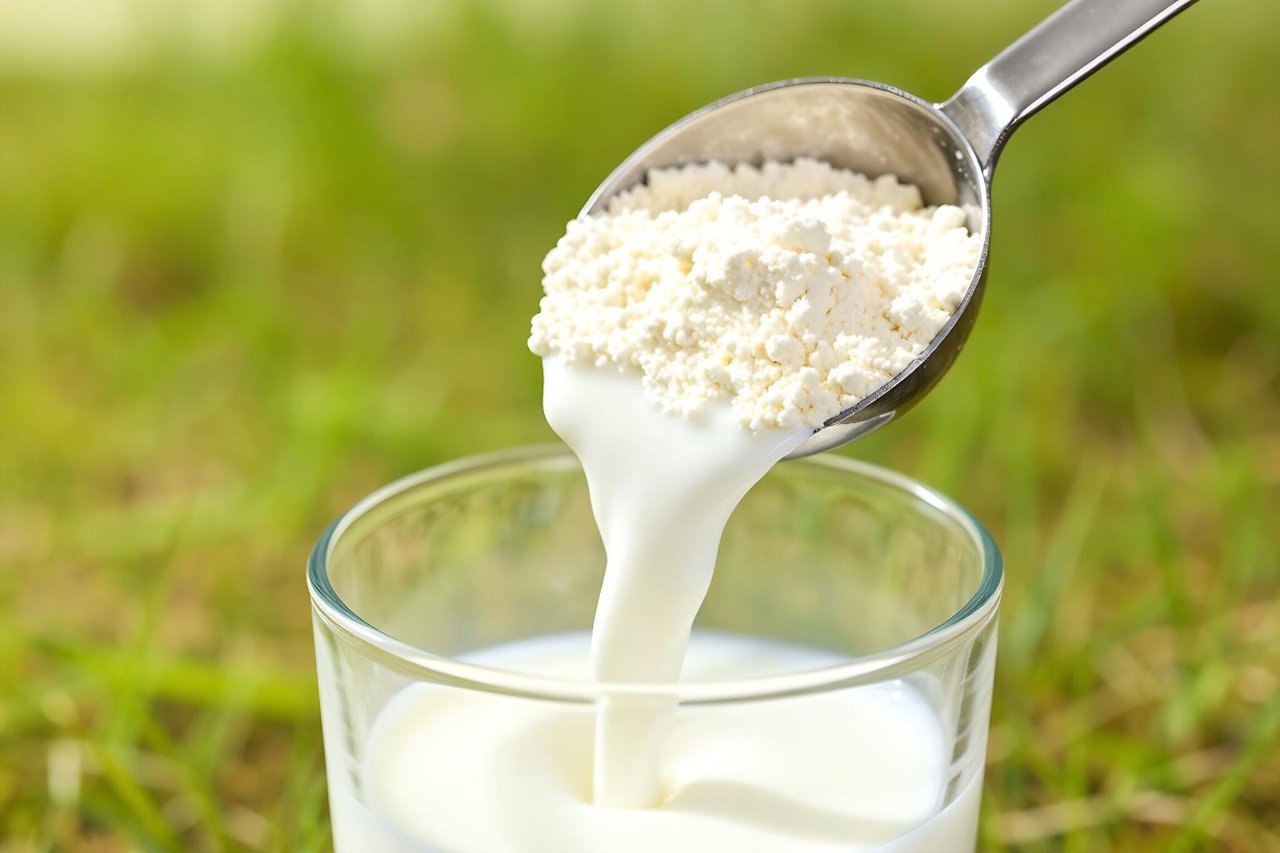
Not all protein powders are created equal. When you see “grass fed whey protein isolate” on a label, it signals a higher standard from start to finish. The cows are raised on pasture, grazing on grass rather than being confined to feedlots and fed grain. That difference in diet changes the nutritional profile of the milk—and therefore the protein powder you scoop into your shaker.
Whey protein isolate itself is already a step above concentrate because it undergoes additional filtration to remove most of the fat and lactose. The result is a powder that’s typically over 90% protein by weight, with very few carbs and almost no fat. When you combine that with grass feeding, you get a product that’s not only pure but also richer in beneficial compounds like omega-3s, CLA (conjugated linoleic acid), and antioxidants such as beta-carotene and vitamin E.
Nutritional Advantages Over Conventional Whey
Let’s look at the numbers. A study published in the Journal of Dairy Science found that milk from grass-fed cows contains about 147% more omega-3s and 52% less omega-6s compared to conventional milk. That’s a significant shift toward a healthier fatty acid profile, one that supports heart health and reduces inflammation.
Conventional whey often comes from cows treated with synthetic hormones like rBST (recombinant bovine somatotropin) to boost milk production. While regulatory bodies deem these safe, many people prefer to avoid added hormones. Grass fed whey protein isolate typically comes from cows raised without hormones or antibiotics, offering a cleaner source of protein.

Another point: the CLA content. CLA is a naturally occurring fatty acid linked to improved body composition and immune function. Grass-fed dairy can have up to five times more CLA than grain-fed dairy. For anyone focused on high protein foods for weight loss, that extra CLA could be a bonus.
How It Supports Muscle Building and Recovery
Whey protein is famous for its rapid absorption and high leucine content—the amino acid that triggers muscle protein synthesis. Grass fed whey protein isolate retains all those benefits. In fact, because it’s an isolate, it delivers a fast, clean dose of amino acids without the extra calories from lactose or fat.
I’ve used both conventional and grass fed isolates, and the difference I notice is less bloating. The absence of lactose (most isolates have less than 0.1g per serving) makes it easier to digest, especially if you’re sensitive to dairy. Post-workout, a shake with grass fed whey helps kickstart recovery without the heavy feeling some powders leave behind.
For athletes or anyone engaged in strength and resistance training, the quality of protein matters. Grass fed whey isolate provides a complete amino acid profile, meaning it contains all nine essential amino acids your body can’t produce on its own. That completeness is crucial for repairing muscle tissue after intense exercise.
What to Look for on the Label
Not every product labeled “grass fed” meets the same standards. Here’s a quick checklist:
- Source: Look for whey from cows that are 100% grass-fed for their entire lives, not just “grass-finished” or partially grass-fed.
- Processing: Cold-processed or low-temperature filtration preserves delicate nutrients like immunoglobulins and lactoferrin.
- Third-party testing: Brands that test for heavy metals, pesticides, and microbial contaminants offer more transparency.
- No artificial additives: Avoid powders with artificial flavors, sweeteners, or fillers. A short ingredient list is a good sign.
Is It Worth the Higher Price?
There’s no sugarcoating it: grass fed whey protein isolate costs more—often 30% to 50% more than conventional whey concentrate. But you’re paying for a product that’s more nutrient-dense, produced with higher animal welfare standards, and typically free from synthetic hormones and pesticides.
Consider the cost per gram of protein. If a conventional whey isolate gives you 25g of protein per serving for $1.00, that’s $0.04 per gram. A grass fed isolate might run $1.50 per serving for the same 25g, or $0.06 per gram. The difference is a couple of cents per gram. For someone who uses one serving a day, that’s about $15 extra per month—roughly the price of a couple of lattes.
If you’re already investing in quality food, it makes sense to extend that to your supplements. Many people find that grass fed whey mixes better, tastes cleaner (less “chalky”), and doesn’t cause the digestive discomfort that cheaper powders can. That alone can make it worth the switch.
How to Incorporate It Into Your Day
Grass fed whey protein isolate is versatile. You can use it in the obvious way—shaken with water or milk post-workout—but it also works well in recipes. Try blending it into a smoothie with frozen berries, a handful of spinach, and almond milk for a nutrient-packed breakfast. Or stir it into oatmeal or yogurt for an extra protein boost.
One of my favorite uses is adding a scoop to my morning coffee. The isolate dissolves quickly with a little stirring, turning it into a creamy, protein-rich latte. That’s become part of my balancing morning routine, helping me stay full and focused until lunch.
Common Mistakes to Avoid
First, don’t overheat it. Exposing whey protein to high heat can denature the delicate amino acids and reduce its effectiveness. Add it to cooled liquids or use it in no-bake recipes. Second, don’t rely solely on protein powder for your daily intake. Whole food sources like eggs, chicken, fish, and legumes provide a wider array of nutrients. Use the isolate as a convenient supplement, not a replacement.
Third, pay attention to serving size. More isn’t always better. Stick to one scoop (usually 20-25g of protein) unless your specific needs are higher. Your body can only use so much protein at once for muscle synthesis; the rest is just extra calories.
Environmental and Ethical Considerations
Grass-fed dairy farming can be more sustainable than industrial confinement operations. Well-managed pasture rotation improves soil health, sequesters carbon, and supports biodiversity. While not every grass fed brand is perfect, choosing one from a company that prioritizes regenerative practices helps reduce the environmental footprint of your protein intake.
On the ethical side, cows that graze on pasture have more freedom to express natural behaviors. They’re not confined to crowded feedlots, which reduces stress and the need for antibiotics. For many consumers, that peace of mind is part of the value.
Final Thoughts on Making the Switch
Grass fed whey protein isolate isn’t a magic bullet, but it’s a clear upgrade over conventional options. You get a cleaner, more nutrient-dense protein source that supports your fitness goals without the unwanted extras. Whether you’re an athlete, a weekend warrior, or just someone trying to eat better, the small extra investment pays off in both health and peace of mind. Try a small container first—see how it mixes, tastes, and sits in your stomach. Chances are, you’ll notice the difference.


