
Table of Contents
The beauty aisle is crowded with bottles promising thicker, fuller hair. Some cost less than a takeout dinner. Others rival a car payment. And nearly all of them claim to be the one that finally works.
So what separates a genuinely effective hair growth serum from a nicely packaged blend of fragrance and hope? After digging through the research and talking to trichologists and dermatologists, the honest answer is: quite a lot. But the good news is you don’t need a chemistry degree to make a smart choice. You just need to know what to look for and what to avoid.
First, Understand Why Your Hair Is Thinning
No serum will help if you’re treating the wrong problem. Hair loss has a handful of common causes, and they each need a different approach.
Androgenetic alopecia (pattern hair loss)
This is genetic. It affects both men and women, though it looks different. In women, it usually shows up as widening of the part or overall thinning on the crown. The key player here is a hormone byproduct called DHT, which shrinks hair follicles over time. If this is your situation, you need ingredients that block or reduce DHT’s effect on the follicle.

Telogen effluvium (stress-related shedding)
Major stress, illness, rapid weight loss, or even childbirth can push a large number of hair follicles into a resting phase. About two to three months later, those hairs fall out at once. This type of shedding usually resolves on its own, but a good scalp care routine can support faster recovery.
Nutritional deficiencies
Low iron, vitamin D, zinc, or protein can slow hair production. A serum won’t fix a dietary gap. You’d need blood work and targeted supplements. But while you’re fixing that, a topical can help stimulate the follicle.
For a fuller breakdown of what works (and what’s overhyped), this guide to hair loss treatment covers the pros and cons of each major option.
What a Hair Growth Serum Actually Does
A serum is a topical liquid or foam that delivers active ingredients directly to the scalp. Unlike shampoos or conditioners, which are rinsed off, serums stay on the skin. That means they can penetrate into the follicle and influence the hair growth cycle.
Their main jobs:
- Lengthen the anagen (growth) phase of the hair cycle
- Increase blood flow to the follicle
- Reduce inflammation that can contribute to hair loss
- Block or slow DHT’s binding to receptors
- Provide antioxidant protection against environmental damage
But here’s the catch: a serum is only as good as its ingredients and their concentrations. Some serums have tiny amounts of active compounds just so they can legally put them on the label. Others use clever marketing language like “plant-based” or “clinically inspired” when no clinical trial exists. You need to be a bit of a detective.
The Ingredients That Actually Matter
Walk down the hair care aisle and you’ll see dozens of serums. The labels scream “biotin,” “caffeine,” “keratin,” “rosemary.” Some of these do help. Some are just popular because they sound natural and safe.
Minoxidil — the gold standard
Minoxidil is still the most researched topical hair growth ingredient. It’s FDA-approved for both men and women. Its exact mechanism isn’t fully understood, but it’s thought to widen blood vessels and stimulate follicles into the growth phase. Studies show that 5% minoxidil applied once daily can produce noticeable regrowth in about 40% of people within six months. It works best on the crown and top of the head.
The downsides? You have to keep using it forever. If you stop, the regrown hair falls out within a few months. It can also cause dryness or irritation, and some people experience a temporary “dread shed” in the first few weeks as old hairs make way for new ones. If you’re just starting out, you may want to read about which hair growth products have the most evidence behind them.
Low-dose topical finasteride (for men)
Finasteride is an oral medication, but it also comes as a topical serum. When applied directly to the scalp, it lowers DHT levels in that specific area. Many men who experience side effects from oral finasteride tolerate topical finasteride much better. It’s only available by prescription, so that’s a conversation for a doctor.
Caffeine
Caffeine is a bit of a folk hero in hair care. Laboratory studies show it can block DHT activity in follicles. But the research on actual human scalps is thinner. That said, caffeine has almost no risk, and it can make the scalp feel invigorated. It might be useful as a supplementary ingredient, not a primary one.
Rosemary oil
Rosemary oil made headlines when a 2015 study showed it could match 2% minoxidil for hair regrowth over six months. That’s a small, single study, but a few more have supported the effect since then. Rosemary’s anti-inflammatory and circulation-boosting properties seem to drive the benefit. If you want to go the natural route, choose a serum with a standardized amount of rosemary extract—the concentration matters.
Peptides and growth factors
These are the newer kids on the block. Peptides are short chains of amino acids that can signal the follicle to ramp up production. Copper peptides, in particular, have shown some promise in stimulating follicle growth and increasing the size of hair follicles. Growth factors—proteins that help cells divide and repair—are also being added to serums. These are exciting, but the clinical evidence is still younger and mostly backed by the brands that sell them.
Budgets and Trade-Offs: Which Serum Type Should You Pick?
Your choice depends on your situation, your sensitivity, and your wallet.
Minoxidil-based serums
These are the most affordable and proven. Brands like Rogaine (and plenty of generics) cost around $20–$40 for a month’s supply. If you’re dealing with pattern hair loss, this is the evidence-based starting point.
Natural/clean serums
These usually have rosemary, fermented rice water, saw palmetto, pumpkin seed oil, or other botanicals. They’re gentler and smell nicer, but they take longer to show results and the effect is usually less dramatic. Good for mild thinning or as an adjunct. Expect to pay $30–$80.
Clinically formulated serums with peptides
These are the premium tier, often $80–$150 per bottle. Look for brands that publish their own clinical studies, even small ones. The best ones combine multiple mechanisms — like peptides plus rosemary plus a DHT inhibitor.
Whatever you choose, be consistent. Hair growth is slow. You need to apply the serum daily (or per instructions) for at least 6 months before judging it. I know that’s not the answer anyone wants, but any brand that promises visible results in three weeks is lying.
How to Apply a Hair Growth Serum the Right Way
You’d think applying a serum is a no-brainer, but technique actually matters a lot.
- Start with a clean or dry scalp. Some serums work best on damp hair, others on completely dry. Check the label. In general, freshly washed and dried skin absorbs topical products better.
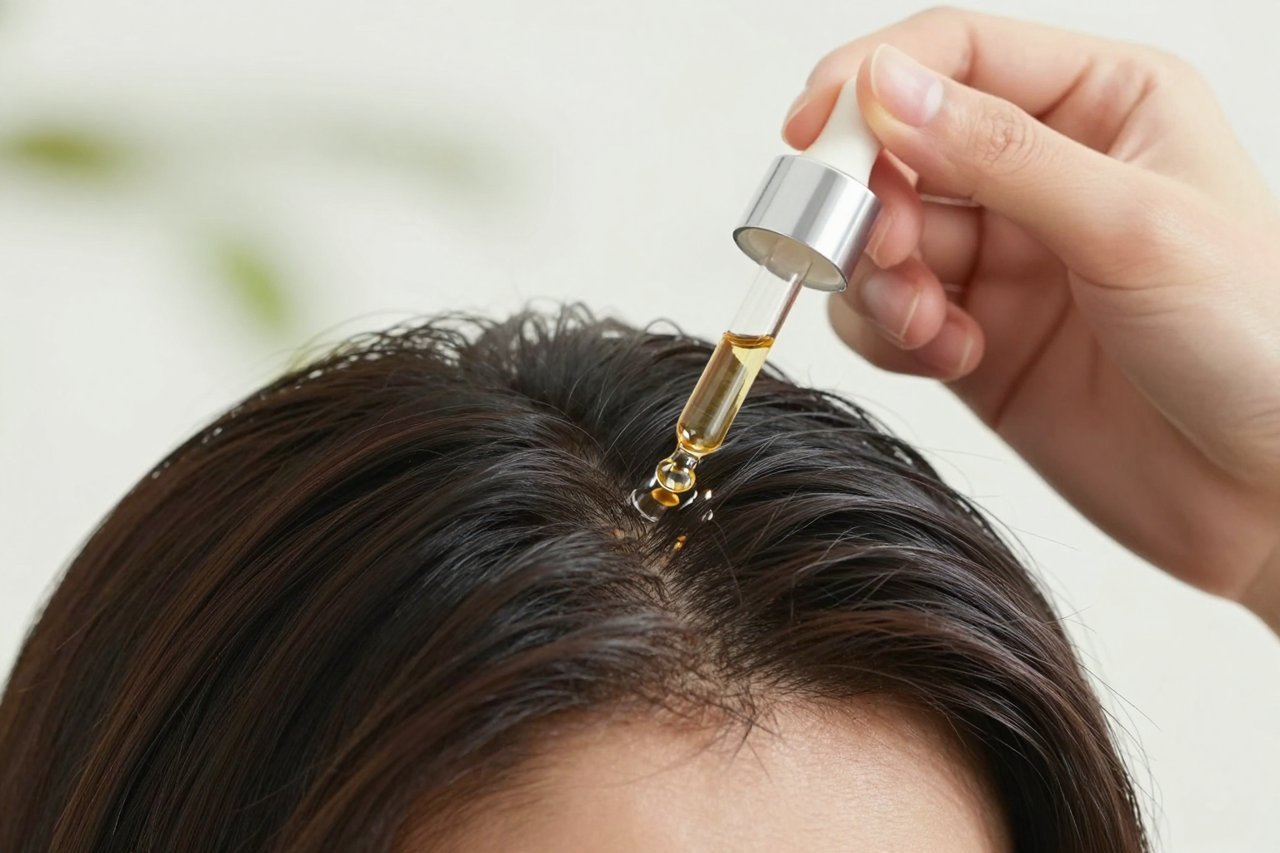
- Part your hair in sections. Working directly on the scalp is key—not the hair. Use the dropper or nozzle to trace along the part, then use your fingers or a scalp massager to spread.
- Use enough, but not too much. More serum doesn’t mean more growth. It just means wasted product and a greasy scalp. The standard dose is usually 1 mL or 4–5 drops per area.
- Massage for 2–3 minutes. This increases blood flow and helps the product penetrate. A silicone scalp massager can be easier than fingers.
- Maintain a routine. Pick a time—usually morning or night—and stick to it. Consistency beats intensity.
If you’re over 50, your skin tends to be more sensitive, and some standard serums contain alcohol or essential oils that can irritate. I’d suggest you look into which hair product ingredients to avoid as you age.
What Results Can You Realistically Expect?
Let’s be honest about timelines.
0–2 months: You might not see anything. Some shed, especially with minoxidil. This is not a reason to quit—it’s usually a sign the product is working.
3–4 months: Tiny baby hairs may appear along the hairline or part. They might look wispy or fuzzy.
6–8 months: Regrowth becomes more visible. The hair shaft is thicker, and the fuzz turns into real hair.
12 months: You’ll know if the serum works for you. At this point, you either keep using it or you switch.
One crucial note: if you have a medical condition like thyroid disease, lupus, or severe iron deficiency, no serum will fix the root cause. You have to treat the systemic issue first. Also, if you notice sudden, patchy hair loss or a receding hairline that expands fast, see a dermatologist before you spend money on serums.
Combining Serums with Other Treatments for Faster Results
A serum rarely acts alone. Most dermatologists recommend a multi-pronged approach. For example:
- Use a minoxidil serum daily.
- Add a red light therapy device a few times a week.
- Massage your scalp regularly to increase circulation.
- Keep your protein and iron intake in check.
- Use a scalp shampoo that contains salicylic acid or zinc to keep follicles clear.
In fact, there are 13 science-backed ways to stimulate hair growth beyond the pill—many of which don’t cost a thing. Pairing a good serum with lifestyle changes gives you the best odds.
When to Ditch a Serum and Try Something Else
Not every head responds to topicals. If you’ve used a serum consistently for 8–12 months and seen zero change, it’s probably not working for you. Don’t keep dumping money into it. Instead, think about:
- Switching to a higher concentration (if you can tolerate it).
- Trying a different active ingredient.
- Adding in-office treatments like PRP (platelet-rich plasma) or microneedling. These open up the scalp and deliver growth factors more effectively.
- Considering oral medications, always under a doctor’s guidance.
- If you have extensive thinning, hair transplantation might be a better investment than serums.
For those with very dry, itchy, or damaged skin, a barrier repair serum might be a better starting point—because a damaged scalp can’t grow hair well. Check out some of the best barrier repair serums to fix the foundation first.
One Last Thing to Keep in Mind
Hair loss is emotional. It affects how you see yourself, and it feels unfair when the mirror keeps showing you a version that doesn’t match how you feel inside. It’s okay to want to do something about it.
But be smart about it. Don’t chase a $200 serum with no evidence while ignoring a $30 one that’s been studied for forty years. Start with the basics: a good serum, a healthy scalp, and realistic patience. Your hair won’t change overnight, but with consistent care, you can give it the best possible chance to grow back.


