
Table of Contents
If your cat has been dealing with constipation, frequent hairballs, or unexplained weight gain, you might be wondering if a change in diet could help. The answer, for many cats, is yes—and high fiber cat food often plays a starring role in turning things around. Fiber isn’t just for humans; it can make a world of difference in your feline’s digestive health and overall well-being.
What Is High Fiber Cat Food?
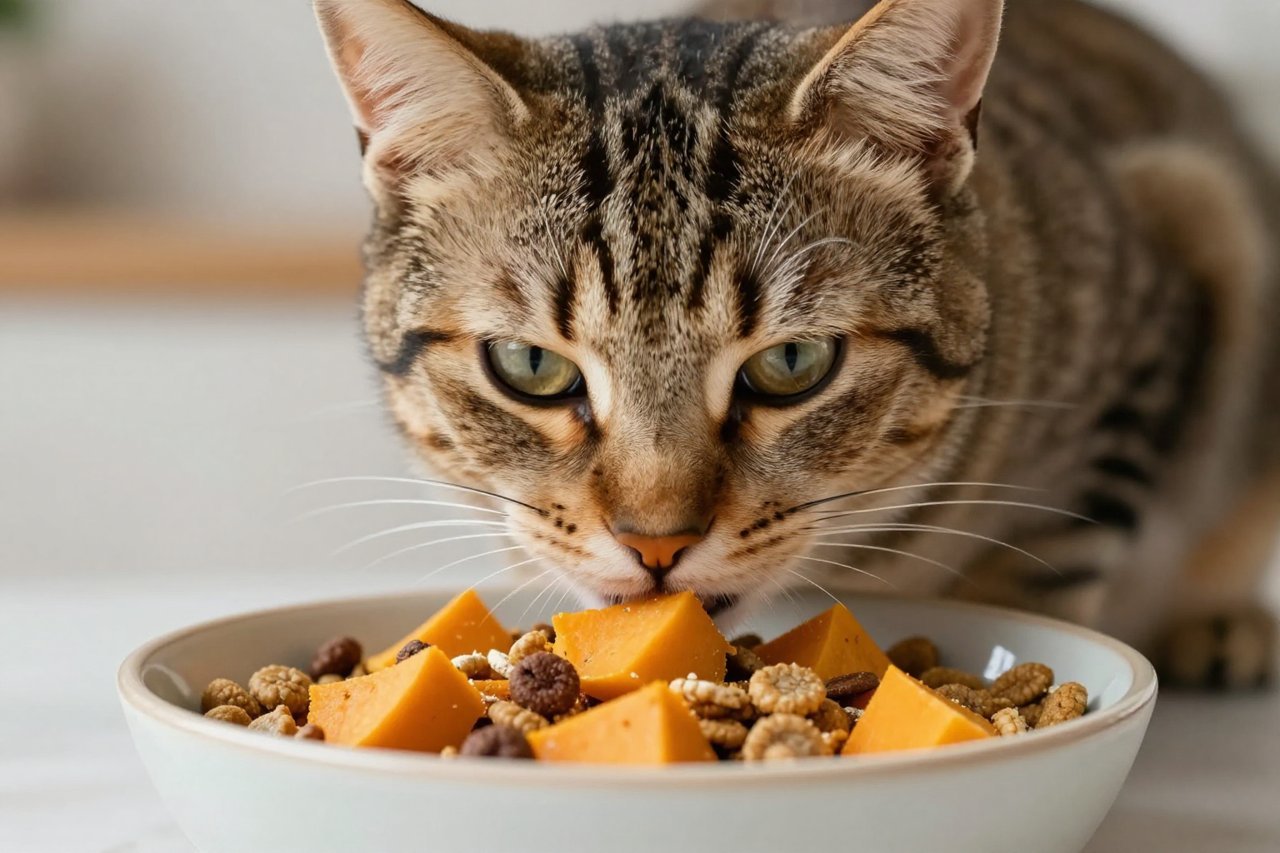
Fiber is a type of carbohydrate that cats can’t fully digest. It comes in two forms: soluble fiber, which dissolves in water and forms a gel-like substance (think pumpkin or psyllium), and insoluble fiber, which adds bulk to stool (like cellulose or beet pulp). Most commercial cat foods contain between 1% and 5% fiber on a dry matter basis. High fiber cat food typically bumps that up to 8–12% or even higher, depending on the formula.
But why would a carnivore need fiber? In the wild, cats consume the fur, feathers, and bones of their prey—all natural sources of insoluble fiber. Domestic cats eating processed kibble or canned food don’t get that same roughage, which can lead to sluggish digestion. Adding controlled amounts of fiber mimics that natural intake and supports gut motility.
Health Benefits of High Fiber Cat Food
Digestive Health and Constipation Relief
Constipation is one of the most common reasons vets recommend a high fiber diet. Fiber adds bulk to stool and helps retain water, making bowel movements softer and easier to pass. If your cat strains in the litter box or produces hard, dry stools, increasing fiber can provide noticeable relief within a few days. Look for foods with psyllium husk or pumpkin—both are gentle and effective.

Hairball Control
Hairballs happen when cats ingest loose fur that doesn’t move through the digestive tract. Fiber helps push that hair through and out, reducing the chance of it clumping in the stomach. Many cat owners report a sharp drop in hairball frequency after switching to a high fiber food. It’s not a miracle cure, but it’s a solid first step.
Weight Management
High fiber cat food can help overweight cats feel fuller on fewer calories. Fiber adds volume without extra energy, so your cat gets a satisfying meal without packing on pounds. Some weight management diets include moderate to high fiber levels alongside reduced fat. The key is to pair diet with portion control and regular exercise—but fiber makes the hunger pangs quieter.
Blood Sugar Regulation (Diabetes)
Soluble fiber slows down the absorption of glucose into the bloodstream, which can help diabetic cats maintain stable blood sugar levels. If your cat has diabetes or is at risk, your vet might recommend a high fiber, low-carbohydrate food. It’s not a standalone treatment, but it can work alongside insulin or medication to improve glycemic control.
Is High Fiber Cat Food Right for Your Cat?
High fiber isn’t a one-size-fits-all solution. It’s most helpful for cats with chronic constipation, hairball issues, obesity, or diabetes. However, some cats—especially those with inflammatory bowel disease (IBD) or very sensitive stomachs—may actually do worse on high fiber diets. Too much fiber can cause gas, bloating, or diarrhea in some individuals.
Always consult your veterinarian before making a major dietary switch. They can help determine the ideal fiber level based on your cat’s specific condition, age, and overall health. For a deeper understanding of how to evaluate cat food quality in general, check out our guide on what really makes good cat food.
How to Choose a High Fiber Cat Food
Not all high fiber cat foods are created equal. Here are the key factors to consider:
- Fiber sources that work: Pumpkin, psyllium husk, beet pulp, and chicory root are excellent. Avoid foods that rely solely on corn or soy hulls—they may be cheaper but offer less benefit.
- Protein content: Fiber shouldn’t crowd out protein. Cats are obligate carnivores who need at least 30–40% protein on a dry matter basis. Balance is everything. Read more about high protein cat food to understand the trade-offs.
- Wet vs. dry: Canned foods naturally contain more water, which aids fiber’s stool-softening effect. If your cat is chronically constipated, a high fiber wet food can be a game-changer. Dry kibble is convenient but less hydrating.
- AAFCO statement: Ensure the food meets AAFCO nutritional standards for your cat’s life stage (adult, senior, etc.).
For a curated list of top brands, see the 12 best cat food brands in 2025. Many of these offer high fiber formulas worth trying.
Ingredients to Look For
When scanning the label, prioritize named animal proteins (chicken, turkey, salmon) as the first few ingredients. Then look for specific fiber sources like pumpkin, psyllium seed husk, dried beet pulp, or ground flaxseed. Avoid vague terms like “cellulose” or “peanut hulls”—these are low-quality fillers that provide little nutritional value.
Transitioning to a High Fiber Diet
Cats can be picky, and sudden food changes often lead to digestive upset or refusal to eat. Transition gradually over 7–10 days. Start by mixing 25% new food with 75% old, then increase the proportion every couple of days. If your cat develops diarrhea or seems uncomfortable, slow down the transition or consult your vet.
Remember that fiber draws water, so fresh water should always be available. Some cats drink more when their fiber intake increases, which is a good sign.
Signs Your Cat Is Doing Well on High Fiber Cat Food
After a few weeks, you should notice improvements if this diet suits your cat. Stools become well-formed, passed daily without straining. Hairballs become rare or disappear. Weight may stabilize or gradually drop if obesity is an issue. Energy levels often improve once the digestive system runs smoothly. The litter box becomes less of a mystery and more of a predictable routine.
If you see these positive changes, you’ve found a diet that works. If not, reassess with your vet—maybe a different fiber source or a lower fiber level is needed. Every cat is unique, and the right balance makes all the difference.


