
Table of Contents
Two people fly the same route on the same day. One pays £412 return. The other pays £168. They booked three weeks apart, and one searched a calendar instead of a fixed date. That same gap repeats itself across beds, meals and train tickets until the difference between a £900 week and a £1,700 week stops being mysterious. Saving money on travel is mostly a dozen boring decisions made in a sensible order, not one clever trick you saw in a reel.
Start with dates, not destinations
Most people choose where they want to go and then hunt for a price. Flip it. Set the date field to the whole month or the calendar view and let the cheap days tell you where to go. Tuesday and Wednesday departures on European short-haul are routinely £40 to £90 cheaper than a Friday evening, and the pattern holds on long-haul too.
Booking windows matter more than people expect. Rough guides that survive contact with reality: four to eight weeks ahead for short-haul, two to four months for long-haul, and much further out only if you’re burning points or flying over Christmas. Booking eleven months ahead for a normal economy seat rarely helps anyone.
What works, and what doesn’t
- Compare two or three departure airports, including the smaller ones with cheap bus links into the city.
- Check the airline’s own site once you find a fare. It’s often £10 to £20 cheaper than the aggregator once bags are priced properly.
- Ignore the incognito-mode myth. Airlines don’t inflate prices because you searched twice.
- Sign up to one error-fare newsletter and be ready to book within the hour. Two is too many.
If you want a wider stack of tactics to layer on top, these easy ways to travel on a budget cover the groundwork well.

Shoulder season is the biggest single lever you have
Two weeks either side of peak season can cut accommodation by 30% to 60% and make busy places bearable again. Santorini in the last week of October still hits 22°C, but cave rooms drop from around €300 to €120. Lisbon in March costs roughly half what it does in August. Ski towns in July are cheap and surrounded by hiking trails. Japan in early June is wet, and you’ll pay 40% less than cherry-blossom season while queueing for nothing.
The trade-off is real. Some restaurants close for the season, ferries run twice a week instead of daily, and one wet week can shape a whole trip. Check closure calendars before you commit and keep a spare day free for weather.
Pick a destination where your money goes further
A flight is a one-off cost. Everything else multiplies by the number of nights you stay. A €60 fare to a €180-a-night city is worse value than a €180 fare to a €70-a-night one. Look at the daily number, not the airfare.
Group size changes the maths too, because a €200 mistake gets multiplied by four people. Start from places that already suit your situation: the best places to travel with family tend to be destinations with cheap self-catering and short airport transfers, and if you’re travelling alone, the destinations that reward going solo are usually the ones where a single room doesn’t cost double.
Cut the cost of where you sleep, not the quality
A hotel breakfast for two runs £18 to £25 a day. Over a week that’s £130 to £175, which is often the exact gap between a standard room and an apartment. A kitchen doesn’t need to be used for every meal. Coffee, fruit and cereal on six mornings plus one dinner cooked at home usually covers the apartment premium in a city like Budapest or Valencia.
Small moves that add up
Book direct and ask. A five-night stay is worth an email requesting a 10% long-stay rate, and small family-run places say yes more often than the booking sites suggest. Also check that the cheap suburb is genuinely cheap: a room £25 a night cheaper but 40 minutes out can cost you two hours a day and £8 in metro fares.
Hostels aren’t just dorms anymore. Private rooms in Portuguese and Polish hostels often undercut three-star hotels by 30% and come with a shared kitchen.
Eat well for less without eating badly
The same kitchen charges wildly different prices at lunch and dinner. In Spain, the menú del día is three courses with wine for €12 to €16 at 2pm; order the same food à la carte at 9pm and you’ll pay €30 or more. Portugal, France and Italy all have versions of this.
Market halls are the other shortcut. A €6 plate of jamón and a €3 beer beats a €22 tourist-menu paella every time. Standing at the bar for an espresso in Naples costs about €1.10. Sitting down at a table with a view of the same piazza costs €4.50. Identical coffee, different maths.
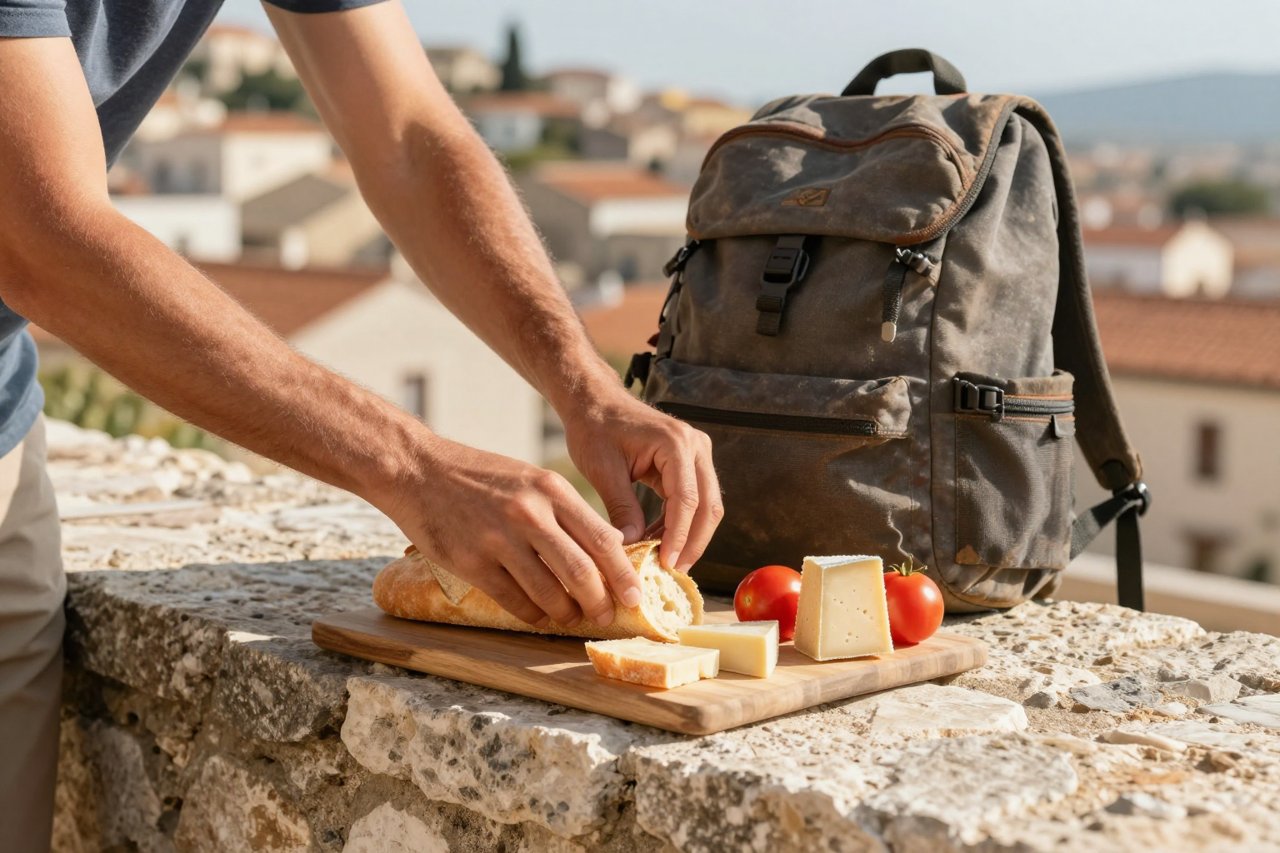
Do one supermarket run on day one. Twenty euros covers four breakfasts and two picnic lunches for two people across most of southern Europe.
Transport is the silent budget killer
People budget flights to the pound and then spend £150 on transfers and city transport without noticing. A taxi from Barcelona airport into the centre is around €35. The Aerobús is €7.25. The train from Vienna airport to the middle of town is €4.40.
Do the arithmetic on transit passes instead of buying on instinct. A three-day pass only pays for itself above roughly four rides a day, and in walkable cities like Florence or Bruges you’ll never hit that. Night trains are the other underrated trick: a sleeper from Vienna to Venice replaces both a flight and a hotel night, and you arrive in the morning with the day already started.
The charges almost nobody budgets for
These are the line items that quietly add 8% to 15% to the cost of a trip.
- Card foreign-transaction fees: a typical high-street debit card takes 2.75% to 3% on every purchase abroad. On £1,200 of spending that’s roughly £36 gone.
- Dynamic currency conversion: always pay in the local currency. Tapping the pound option at the terminal adds 3% to 6% instantly.
- ATM fees: your bank and the local bank can both charge. Take out larger sums less often.
- Roaming: a week on a travel eSIM usually costs £5 to £10. A day pass from your home network can be £6 per day.
- Bags and seat selection: budget airlines make more margin here than on the fare. Pack to cabin size and accept the free random seat.
- City and tourist taxes: €2 to €7 per person per night across much of Italy, Spain and Portugal, often payable at the desk on arrival.
Book the boring things before you fly
An annual multi-trip insurance policy often costs about the same as two single-trip policies, and it covers the weekends you haven’t planned yet. A no-foreign-fee card takes ten minutes to apply for and saves more than any airport meal deal ever will. And if you’re flying out of a big regional airport, some of the best savings sit on your doorstep rather than abroad: these travel hacks that genuinely save money in Manchester show how much of a trip’s cost is settled before you reach the departure gate.
Spend where it actually shows
Cutting every corner produces a trip you don’t enjoy and a set of memories about the £3 you saved on a bus. The better approach is to cut hard on the forgettable parts, such as transfers, breakfast, seat selection and the fourth museum of the day, then spend properly on the two or three things you’ll still be talking about next year: one good dinner, one guided day, one view worth paying for. If you’re worried about getting that balance wrong, this guide to travelling the world on a budget without ruining the trip is worth reading before you start trimming.
Track the first two days, then relax
Set a daily number before you leave, then check your real spending at the end of day two rather than day nine. Almost every overspend is structural rather than impulsive. You picked an expensive neighbourhood, or you’re eating every meal inside the tourist zone, or you’re taking taxis because the metro stopped at 11pm. Two days of data is enough to identify which of those it is and fix it while there’s still time.
Whatever figure you settle on, add 15%. Trips never run to plan, and the buffer is what stops the final two days turning into a hunt for the cheapest possible version of everything. The cheapest trips are rarely the good ones. Well-planned ones usually are.


