
Table of Contents
Every day, species edge closer to extinction. The International Union for Conservation of Nature (IUCN) now lists over 41,000 species as threatened, with roughly 16,000 classified as endangered or critically endangered. But behind these stark numbers lie real stories—of dedicated conservationists, groundbreaking technology, and even a few victories that remind us change is possible. Let’s explore what’s really happening to endangered animals today.
The Silent Crisis: Why Species Are Vanishing
The drivers of extinction are well known, but their scale is staggering. Habitat destruction alone claims vast tracts of forest, wetlands, and grasslands every year. Climate change adds another layer: shifting temperatures and weather patterns force animals into smaller, less suitable ranges. Poaching and illegal wildlife trade continue to decimate iconic species like elephants and rhinos, but less charismatic creatures suffer too.
Take the California mountain lion. These big cats once roamed freely, but today they’re hemmed in by highways and urban sprawl. In a historic win for conservation, California mountain lions received state Endangered Species Act protections, giving them a fighting chance. Yet, even with legal safeguards, roads and development remain lethal barriers.
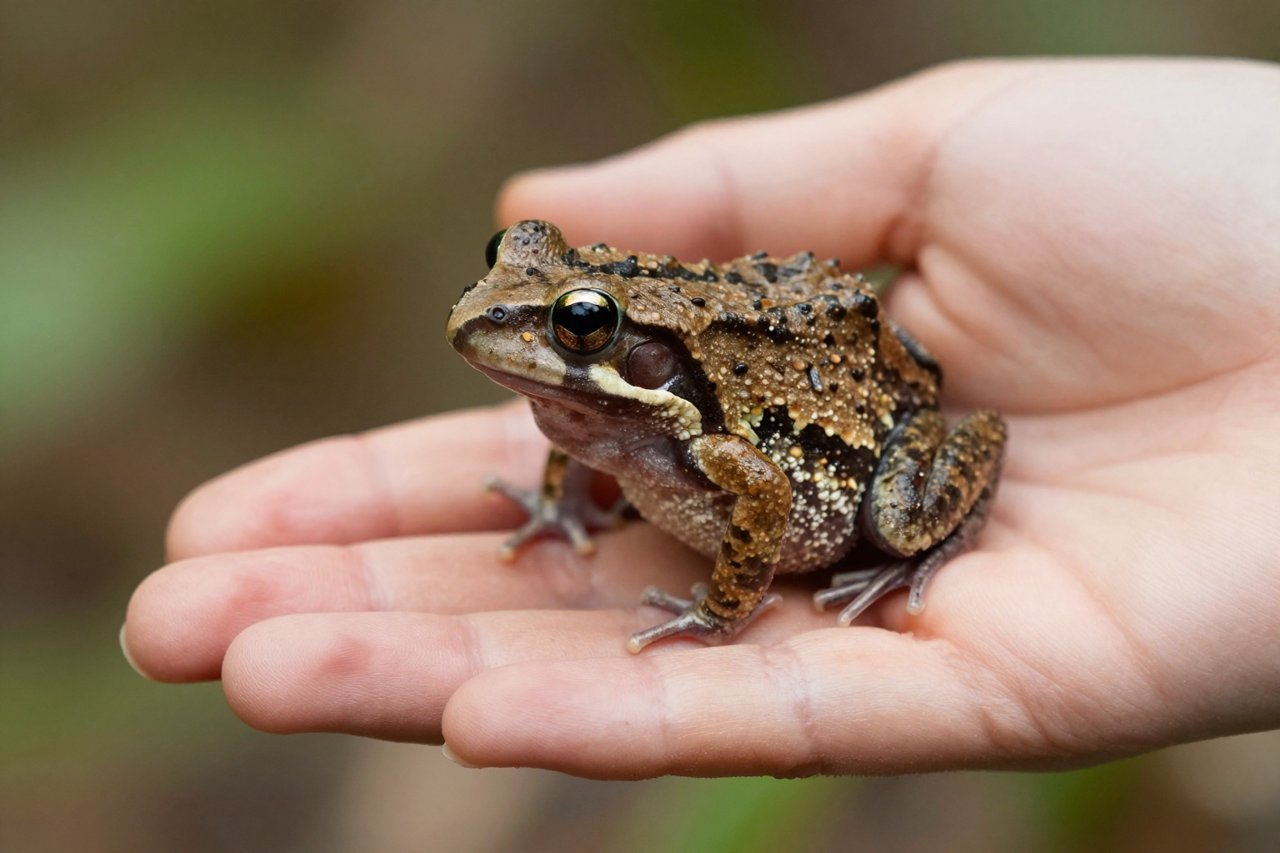
Other animals quietly vanish from human radar. Amphibians are in especially dire straits: nearly 40% of species face extinction due to chytrid fungus, habitat loss, and pollution. The golden toad of Costa Rica hasn’t been seen since 1989. Meanwhile, marine species like the vaquita porpoise—only about 10 left—are caught in fishing nets off Mexico’s coast.

The Human Toll of Extinction
Losing a species isn’t just about beauty or wonder. Ecosystems rely on each link in the food web. When bees or bats disappear, pollination drops. When top predators vanish, prey populations explode, throwing landscapes out of balance. Protecting endangered animals is ultimately about protecting ourselves.
Success Stories That Give Us Hope
Despite the bleak picture, there are bright spots. The 21st Annual Endangered Species Day celebrated nationwide highlights recovered species like the bald eagle, gray wolf, and humpback whale. These comebacks prove that legislation and public support work when applied consistently.
Another heartening example involves manatees. Once heavily threatened by boat strikes and habitat degradation, these gentle giants have seen population rebounds thanks to long-term protection efforts. The Endangered Species Coalition and Save the Manatee Club celebrate Manatee Day each year, raising awareness and funds for continued recovery.
Recovery Takes Time and Money
Success doesn’t happen overnight. It requires habitat restoration, captive breeding, and relentless legal battles. For every species that rebounds, hundreds still struggle. But each win provides a roadmap for the next.
Technology to the Rescue
Innovation is transforming conservation. Researchers now use AI-powered cameras and drones to monitor populations without disturbing animals. In Tanzania, scientists are employing big data analytics to track giraffes across vast savannas. A fascinating project shows how AI is helping save Tanzania’s endangered giraffes, allowing rangers to identify threats in real time.
Genetic tools also play a role. Researchers are using DNA analysis to understand species’ needs, identify inbreeding risks, and even assist in breeding programs. For the tiniest mammals, technology can be a lifeline.
The Smallest Among Us Need Help Too
Large animals grab headlines, but tiny endangered species quietly teeter on the brink. In North America, the Florida grasshopper sparrow numbers fewer than 100 birds. Meanwhile, in the Pacific Northwest, an endangered mouse may need a helping hand to adapt to climate change. The Pacific pocket mouse, thought extinct until rediscovered in 1993, now depends on managed relocation to survive shifting temperatures.
Small species are often overlooked, but they perform outsized roles—pollinating plants, aerating soil, and controlling insects. Their loss can ripple through entire ecosystems.
What Can Be Done for Micro-Endangered Species?
Conservationists are developing innovative strategies: seed banks, assisted migration, and even rewilding efforts in urban areas. Each approach requires local community involvement and scientific rigor.
What You Can Do Right Now
Protecting endangered animals doesn’t require a PhD or a huge donation. Small actions add up. Here’s a practical list to get started:
- Support conservation organizations that work on the ground. Even a monthly subscription helps fund anti-poaching patrols or habitat restoration.
- Reduce your carbon footprint. Climate change is a major threat; shifts in diet (less red meat), transport, and energy use collectively reduce pressure on wildlife.
- Make wildlife-friendly choices. Avoid products linked to deforestation (palm oil not certified sustainable, for example). Choose shade-grown coffee that protects bird habitat.
- Report wildlife crime. If you suspect illegal trafficking or poaching, contact local authorities or organizations like the Wildlife Crime Tech Challenge.
- Educate yourself and others. Share facts about endangered species with friends and family. Awareness drives policy change.
- Participate in citizen science. Apps like iNaturalist help scientists track species distribution. Your photos of a rare butterfly could inform conservation plans.
Every action, however small, creates ripples. The fate of endangered animals doesn’t rest solely on governments or scientists—it rests on all of us. By staying informed and acting consistently, we can ensure that future generations inherit a world teeming with wildlife, not just photographs of what we lost.


