
Table of Contents
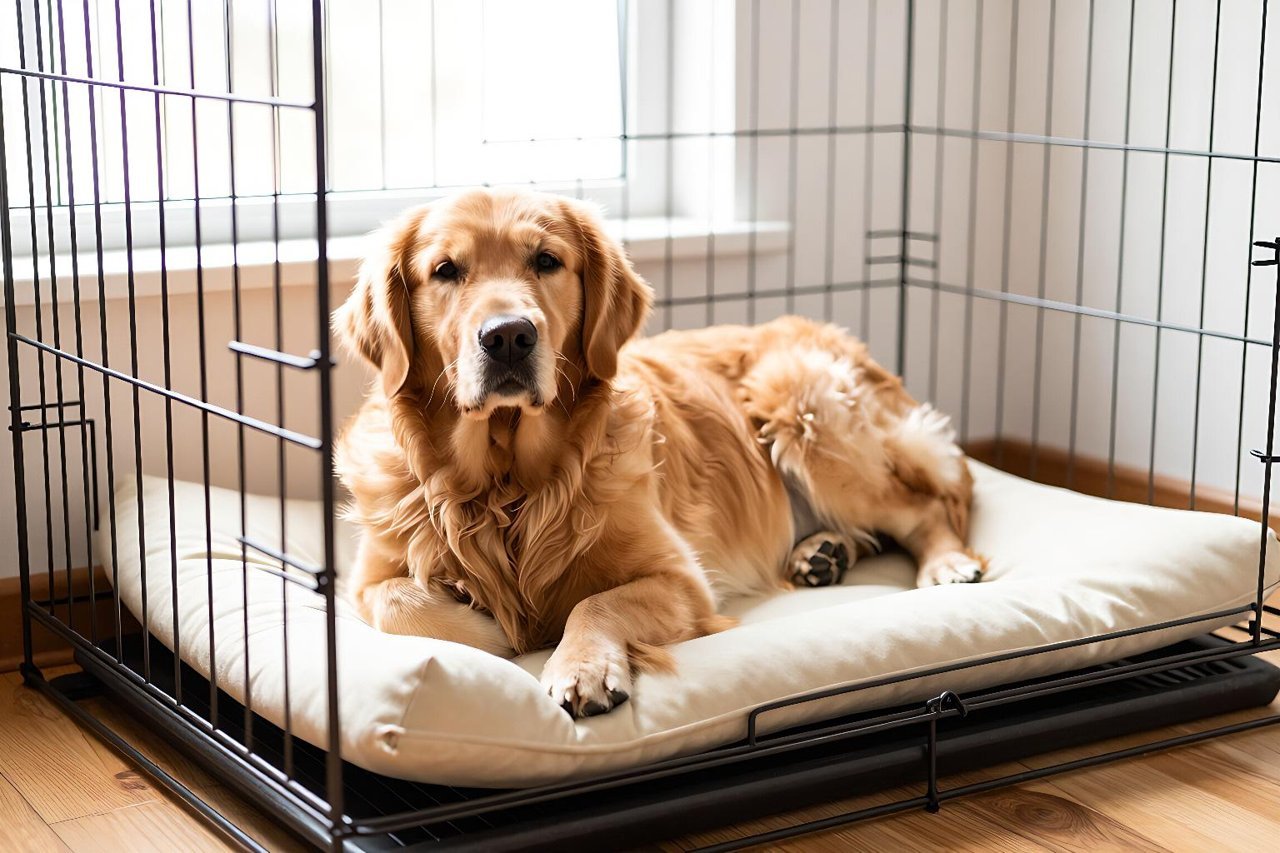
Your brand-new wire kennel looks clean, sturdy, and perfectly spaced. Then you close the latch and hear the worried whine. Kennels for dogs are meant to be calm, safe spaces, but they can become the source of stress when a handful of classic mistakes slip in. Here’s how to spot them—and how to fix them before your dog gives up on the idea entirely.
1. Choosing a kennel because it “looks right”
The most widespread mistake isn’t the dog—it’s the size and material of the kennel itself. Large wire cages appear to offer more space, yet a crate that’s too roomy encourages a pup to use one end as a toilet and the other as a sleeping spot. A kennel that’s too small doesn’t allow your dog to stretch, turn around, or stand comfortably.
You need a kennel long enough for your dog to lie down with paws extended, plus maybe one or two inches of extra room. For a puppy who will grow, use a kennel divider rather than buying an adult-sized model right away. And size isn’t the only variable. A solid plastic airline crate feels different from a bare wire-mesh run, and an outdoor run has specific ventilation needs. The four main kennel options compared explain which style matches a travel dog, a relaxed indoor lounger, or an anxious chewer.
2. Treating the kennel like a time-out corner
Using the kennel as a punishment for pee puddles or a chewed-up shoe is a fast way to destroy your dog’s trust. In the dog’s mind, that little cage becomes “the place I go when my human is angry.” Instead, link it to positive moments: throw treats inside, serve dinner there, and give a chew toy whenever your pet trots in on her own. The goal is to make a retreat, not a jail sentence.

3. Forgetting about airflow and heat
Many owners pick a wooden or fabric kennel for style and then leave Fido inside in summer. A dark, insulated box with poor airflow can turn into an oven within minutes. That’s especially true when the kennel sits next to a radiator, under a sun window, or on a hot south-facing balcony. Better to choose a well-ventilated wire or plastic kennel, move it into a cooler place, and make sure air can circulate. If you bring the kennel outside, place it in shade, never in direct sunlight. For indoor and outdoor placement—including how to use a divider and where to put the water bowl—our step-by-step guide for setting up a kennel space walks you through the whole process.
4. Overestimating how long your dog can hold it
So you thought you’d be away for six hours, but you ended up stuck in traffic for nine. Your adult dog is probably fine physically, but a puppy cannot always “hold it” because their bladders and muscles are still developing. A general rule: puppies can hold urine roughly one hour for every month of age, with a practical cap at about five to six hours for a six-month-old. Adult dogs should still be let out every four to six hours during the workday. Never turn the kennel into a 24/7 crate. Dogs need regular exercise, water, and bathroom breaks, which are just as essential as choosing the right kennel.
5. Letting your dog out when she cries
Possibly the most common training mistake is opening the kennel door right after your dog starts to whine. You want to comfort her, but your quick response tells her the whining noise works. The crying becomes longer the next time because your dog learns that persistence pays off.
Instead, wait until the whining stops for even three seconds, then quietly unlatch. Extend the silence from five seconds to a minute over the course of a week. This small change turns a whiny dog into a dog who settles down rather than begging to be freed.
What if your dog is panicking?
Ignore a few seconds of anxiety, but never ignore real distress or breathing problems. If you see extreme drooling, scratching, or signs of panic, take a step back. A dog who is truly afraid of the kennel needs a slower reintroduction, not “crying it out.”
6. Thinking cleaning can wait until the weekend
A kennel isn’t a self-cleaning machine. Damp fur, drool, and smell build up fast. A dirty kennel makes the space unpleasant and may also make your dog reluctant to go in. Here’s a simple routine:
- Wipe down plastic floors and wire panels with a pet-safe enzyme cleaner at least once a week, or more often when your dog is shedding.
- Wash all towels and bedding in hot water weekly; if your dog suffers from allergies, do it twice a week.
- Rinse outdoor kennels with a hose every day to remove waste, and scrub the surface with a pet-safe disinfectant every 7–10 days.
- Wait until every corner is completely dry before putting your dog back in—a damp crate is a breeding ground for mold and bacteria.
Also think about which surface is easier for you to wash. Some high-quality kennels with pull-out trays make life much simpler—for you and for your dog. Our practical owner’s guide to choosing and using kennels points out the floor and tray materials that keep cleaning easy.
7. Assuming a home kennel will replace all your staffing needs
Some dogs are happy to hang out in a kennel while you check emails. Other dogs genuinely can’t handle hours of isolation, no matter the type of crate. If your workday consistently stretches to 9 or 10 hours, or you have a puppy, a kennel is not the answer for the whole time. You might be better off hiring a dog walker, planning a lunchtime visit, or asking a friend to offer a mid-day potty break. A kennel can remain part of the system, but it shouldn’t become your full-time nanny.
Similarly, don’t assume all overnight boarding facilities are the same. Many owners decide between a classic kennel boarding building, an in-home boarding, or a dedicated sitter—each has benefits. Before you book for a weekend away, compare the real trade-offs between kennel boarding, in-home boarding, or a dog sitter. Your dog’s temper (not the cheapest quote in town) should guide your decision.
The Only Way a Kennel Becomes a Happy Place
Get the basics right and your pup will actually plan nap time around her crate. Start with a few positive short sessions, toss in treats, and build toward closing the door for a minute. Stay calm, give the “kennel” cue in an upbeat tone, then walk away and ignore the noise for a few seconds. Always release your dog when she is quiet, and never chase her around the house to get her in—that screams ‘scary.’ Use the kennel for a couple of hours during the day and throughout the night, but let your dog outside as soon as you wake up, and you’ll soon have a canine who looks forward to her private den.
In a week or two, the shaking and pitiful whining start to ease. Then you watch your dog trot into her kennel the moment she’s tired—and you’ll know exactly what a home kennel should be like.


