
Table of Contents
Most lip care routines fail for the same boring reason: they add more products without removing the habits that made lips dry in the first place. Lips do not have oil glands, they have a thin outer layer, and they lose moisture faster than the rest of your face. A good lip care routine basics starts with understanding that fragile setup, not buying a $40 balm.
Here are the mistakes I see most often, the myths that keep them alive, and the fixes that actually hold up in winter, air conditioning, and long days of talking.
Mistake 1: Licking Your Lips (Yes, Even a Little)
It feels soothing for three seconds. Then saliva evaporates and takes your lips’ own moisture with it. Digestive enzymes in saliva also weaken the skin barrier, which is why chronic lickers often get a red ring around the mouth.
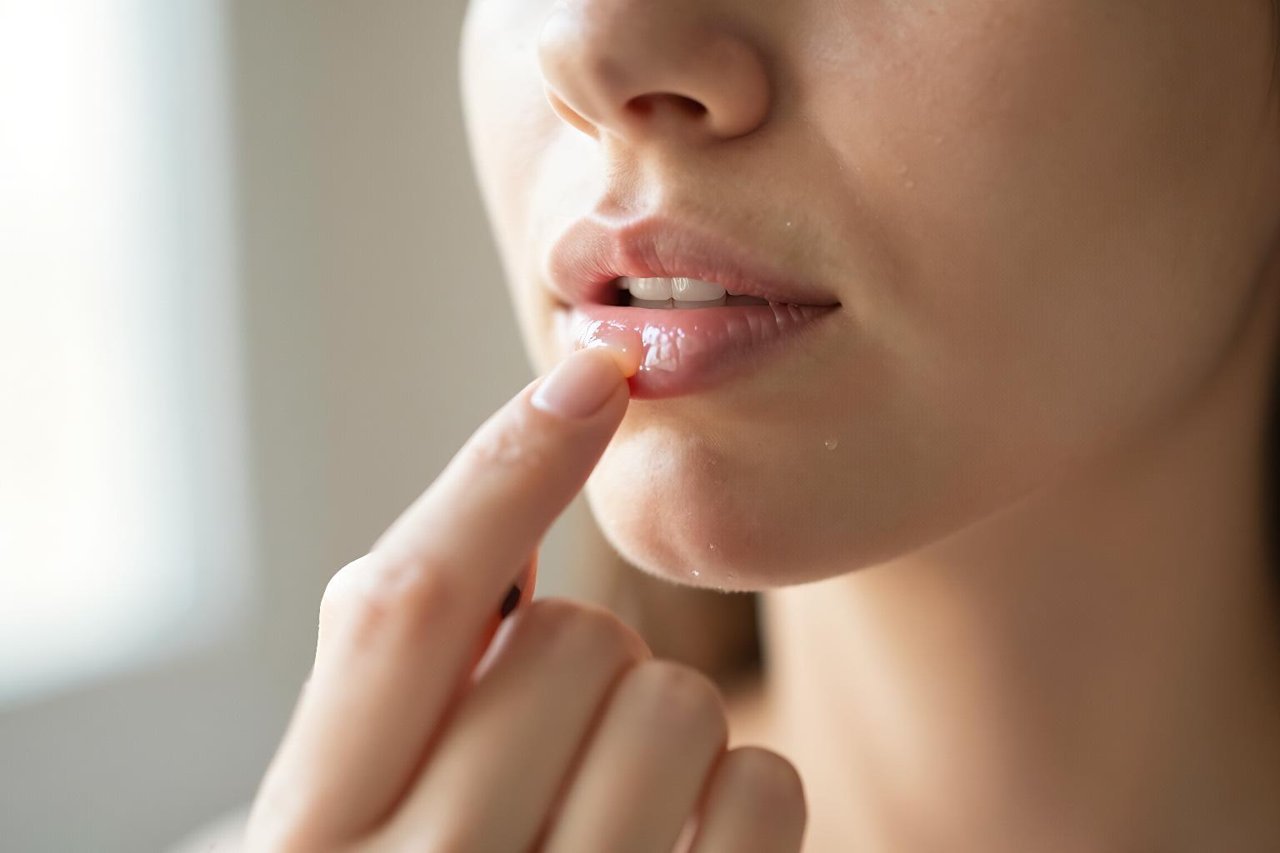
If you lick your lips when they feel dry, you train yourself into a loop: dryness, lick, temporary relief, worse dryness. The fix is not willpower alone. Keep a plain balm within reach, apply before the dry feeling starts, and sip water instead of wetting your lips. When lips are already cracked, a step-by-step lip care routine for chapped lips is more useful than random balm swipes.

Myth: You Need to Exfoliate Every Day
Lip scrubs are satisfying. They are also abrasive. Daily exfoliation strips away the thin layer lips have, leading to raw, stinging, more flaky lips. You cannot scrub your way to softness if you are also irritating the barrier.
Exfoliate only when there is actual dead flaking skin, no more than once a week. Use a soft cloth or a sugar-and-honey scrub with light pressure, then seal with balm immediately. If your lips are cracked or bleeding, skip exfoliation entirely. A comparison of balms, DIY treatments, and full-on lip masks can help you decide how much effort is useful versus harmful.
The Balm Ingredient Trap
Many balms feel medicinal because they contain menthol, camphor, phenol, peppermint, or cinnamon. That tingle is irritation, not healing. The same goes for heavily flavored balms if you tend to lick them off. Citrus oils and some plant extracts can make lips more sun-sensitive.
Ingredients that usually help
- Petrolatum, which seals in moisture better than almost anything
- Lanolin, for very dry or cracked lips (skip if you are allergic to wool)
- Ceramides, squalane, and shea butter, which support the barrier
- Beeswax or candelilla wax in a simple formula for daytime
If a balm burns when you apply it, stop. Discomfort is not proof it is working.
Myth: Drinking More Water Is Enough
Hydration matters. Lips are often the first place dehydration shows up. But chapped lips are usually a moisture-loss problem, not just a water-intake problem. You can drink two liters a day and still have cracked lips if you sit under an air vent or breathe through your mouth all night.
You need water inside and an occlusive layer outside. That means a humidifier in the bedroom, a balm before bed, and treating the nose if congestion is making you mouth-breathe. If lips crack at the corners, sting, or do not improve after two weeks of gentle care, see a doctor. Angular cheilitis, eczema, thyroid issues, and vitamin deficiencies can all show up on lips.
Skipping SPF on Your Lips
Lip skin is thin and vulnerable to UV damage. Sun exposure causes dark spots, cold sores, and increases the risk of lip cancer. A lip balm with SPF 30 is not a beach-only product. Snow reflects UV, car windows let UVA through, and winter sun still damages lips.
Reapply every two hours outdoors, and choose a balm that tastes neutral so you do not lick it off. If your usual balm has no SPF, layer an SPF stick over it.
The Lip Plumping Trap
Plumping glosses often work by irritating lips with cinnamon, menthol, or capsaicin. That swelling is inflammation, and overuse can leave lips drier and more sensitive. If you want fuller-looking lips, hydration and gentle exfoliation do more long-term work than tingling gloss. A side-by-side look at lip plumping products makes it clear which options are temporary tricks and which are worth the money.
Makeup Habits That Undo Your Routine
Long-wear matte lipsticks are drying by design. So is liner applied across the entire lip instead of just the border. Harsh lipstick removal with a tissue can tear at flakes. If you wear bold lip color often, prep with balm 10 minutes before, blot, then apply color. Remove with an oil-based cleanser or micellar water, not rubbing.
Application technique matters as much as the product itself, which is why a makeup tutorial showdown can teach you more than another lipstick haul.
Mistake: Picking Flakes With Your Fingers
It is almost automatic. You feel a rough edge, you pull, and suddenly there is a raw spot that stings for days. Picking creates micro-tears and can turn a minor flake into a crack that takes two weeks to heal. Keep small scissors or a clean cuticle trimmer if a flap is truly hanging, but for dry flakes, balm and time do the job.
Myth: Natural Oils Are Always Gentler
Coconut oil, essential oils, and botanical blends are not automatically better for lips. Undiluted essential oils can burn. Citrus and mint feel fresh but irritate. Even natural balms can contain allergens. Read the ingredient list, not the front label. Simple is usually safer than a long list of plant extracts.
The Overnight Mistake: Waiting Until Lips Are Already Cracked
Lip care is maintenance, not rescue. Sleeping with a thick layer of balm is one of the best habits you can build, but it works best before lips are damaged. If you only reach for balm when lips split, you are always starting from behind.
Think of it like brushing your teeth. You do not wait for a cavity. Apply a generous balm as the last step of your night routine, and keep a stick in your bag, at your desk, and next to your bed.
A Better Default Routine in Four Steps
Forget 10-step lip routines. This is enough for most people.
- Morning: Rinse with water, apply a light balm with SPF.
- During the day: Reapply plain balm before lips feel dry, especially after meals and coffee.
- Night: Cleanse gently, apply a thicker occlusive balm or mask while skin is slightly damp.
- Weekly: Exfoliate only if flakes are visible, then seal with balm.
If that routine is not enough, check the small stuff: new toothpaste, a drying lipstick, spicy food, mouth-breathing, or an allergy to lanolin or fragrance. One change at a time tells you what is actually helping.
Your lips do not need a complicated lip care routine. They need fewer irritants, more consistency, and a balm that does not make them sting. If your lips burn when you apply something, that is not a sign it is working. It is a sign to stop and switch.


