
Table of Contents
[ad_1]
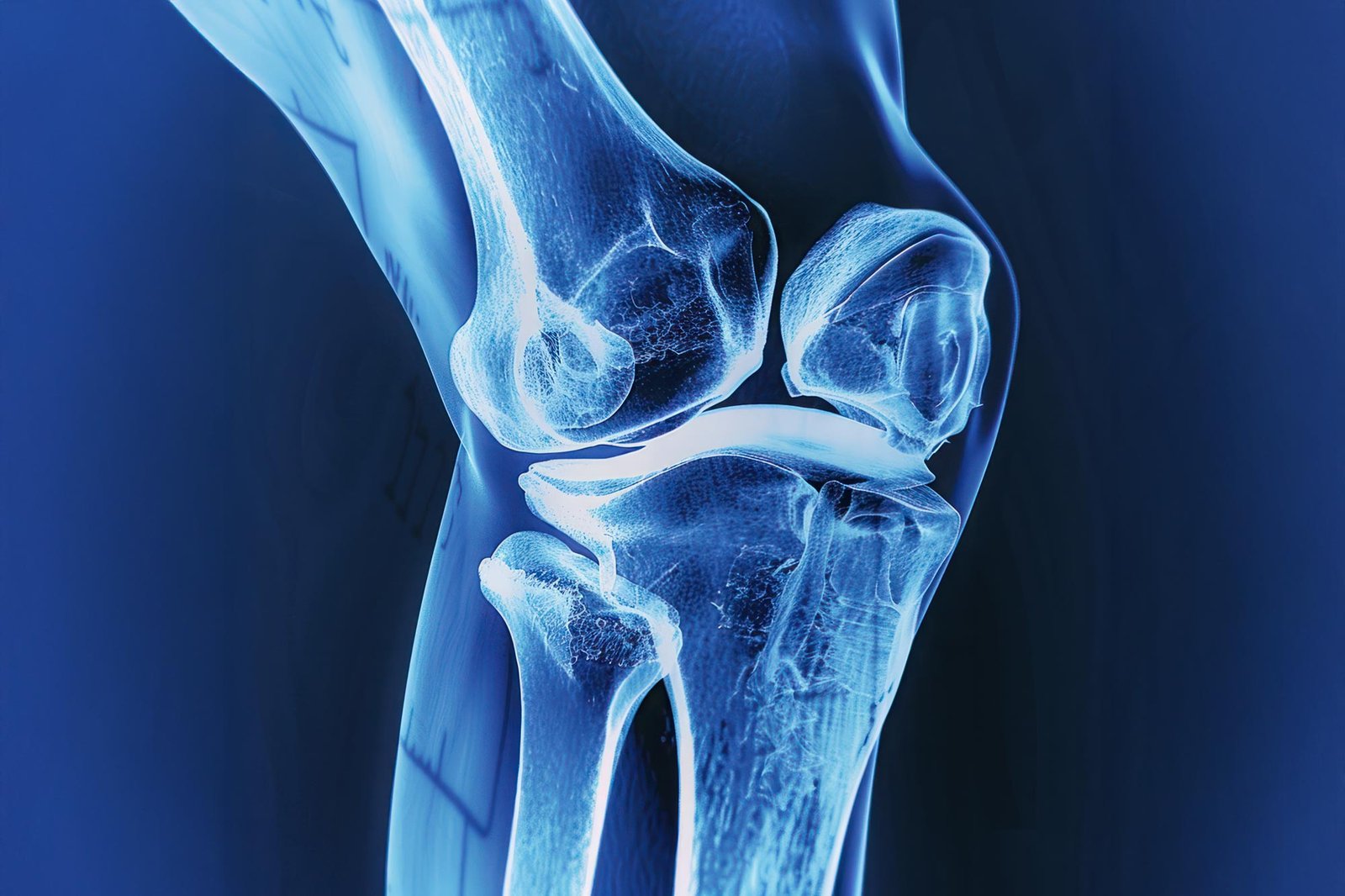
Natural extracts from turmeric and ginger enhance implant bonding, fight infection, and reduce cancer cells, offering a promising improvement for medical implants.
An extract made from turmeric and ginger may help bone implants attach more securely while also eliminating bacteria and cancer cells, according to new research from Washington State University. The findings could benefit millions of people with joint replacements and bone cancer.
Early experiments showed that the extract nearly doubled bone bonding within six weeks at the implant site. It also destroyed more than 90% of bacteria on implant surfaces and significantly reduced cancer-related cells. The work blends principles from traditional medicine with modern biomedical technology. Turmeric, known for its bright orange color, and ginger have been used for both cooking and healing practices in China and India for thousands of years.
“Basically, I say it’s combining the best with the latest,” said Susmita Bose, the Westinghouse Distinguished Chair Professor in WSU’s School of Mechanical and Materials Engineering and corresponding author of the paper. “The best part is from the food, and the latest aspect comes from the biomedical device.”
Natural Compounds Meet Modern Implants
Published in the Journal of American Ceramic Society, the study builds on earlier work by Bose and Amit Bandyopadhyay, Boeing Distinguished Professor in the same school. Their research shows that compounds from turmeric and ginger can enhance advanced medical treatments. It also extends their previous efforts using 3-D printing to create bone implants, a technique that has moved from an unlikely concept to a widely used manufacturing method.

In this study, the team focused on common complications linked to bone implants. About 7 million Americans currently live with metal hip or knee replacements, and many of these implants eventually require repair because they fail to bond well with bone or lose strength over time. Infections on implant surfaces are another major concern, occurring in nearly one-third of failed cases and proving difficult to treat.
“Often, an infection will require the removal of the implant,” Bose said. “There is no other way of fixing bone in patient’s body. So, infection-related problems can cause really a huge health issues and financial burden.”
Fighting Infection and Bone Cancer
The researchers also examined how the extract affects osteosarcoma cells, a type of bone cancer most common in children and young adults. Even after treatments such as surgery, chemotherapy, and implants, some cancer cells can remain.
To address this, the team developed a coating for titanium implants using ginger extract and curcumin, the active compound in turmeric. This coating is designed to release the compounds gradually over time. The approach was tested in laboratory conditions and in a rat model with a femur implant.
Results showed that the coated implant strengthened the connection between bone and titanium, doubling bonding within six weeks after surgery. It also eliminated 92% of bacteria on the implant surface and reduced cancer-related cells around the area by 11 times compared to untreated samples.
Multifunctional Implants and Future Impact
“There are many, many facets of this challenge,” Bandyopadhyay said. “We are making an implant that will offer some infection resistance. We are making an implant that can help with bone bonding. This paper is focused on very big problems, and we’re telling the world a lot of little things you can do that may add significant benefit to the patient’s life, whether it’s a hip implant, knee implant, spinal implant, or shoulder implant. That’s really the holy grail of it.”
Bose emphasized that the benefits of turmeric and ginger extend beyond implant technology. When included in the diet, both compounds are known for anti-inflammatory and antioxidant effects.
“I’m very passionate about these natural medicinal compounds, because I feel that they can be used so easily as preventative care in our everyday life,” Bose said. “Curcumin, from turmeric, has very good anti-inflammatory effect—and inflammatory bone loss is a big challenge. And ginger may have an anti-cancer effect. We can use these compounds as preventative care.”
Reference: “ZnO-Hydroxyapatite-Coated Ti-6Al-4V With Curcumin and Ginger Extract for Load-Bearing Implants” by Arjak Bhattacharjee, Ujjayan Majumdar, William S. Dernell, Amit Bandyopadhyay and Susmita Bose, 11 February 2026, Journal of the American Ceramic Society.
DOI: 10.1111/jace.70532
This study was funded by the NIH/National Institute of Arthritis and Musculoskeletal and Skin Diseases.
Never miss a breakthrough: Join the SciTechDaily newsletter.
Follow us on Google and Google News.
[ad_2]
Source link


