
Table of Contents
Probiotics are live microorganisms that, when consumed in adequate amounts, offer health benefits. Most people associate them with yogurt and a healthy gut, but research over the last two decades has expanded that picture considerably. These beneficial bacteria influence everything from your mood to your bones, and they may even help you manage weight. Here’s what the science says about probiotics benefits and how to put them to work.
What Are Probiotics and Why Do They Matter?
Your gut is home to roughly 100 trillion microorganisms, collectively called the gut microbiome. These bacteria, fungi, and viruses outnumber your own cells, and they play a central role in digestion, nutrient absorption, and immune regulation. Probiotics are specific strains of bacteria that support this internal ecosystem. Lactobacillus and Bifidobacterium are the most studied, but Saccharomyces boulardii, a beneficial yeast, also counts as a probiotic.
The Gut Microbiome’s Role
Think of your microbiome as a bustling city. Some residents are helpful, some are neutral, and a few can cause havoc. When the helpful bacteria outnumber the harmful ones, your digestive system runs smoothly, inflammation stays low, and your immune system remains vigilant. But stress, poor nutrition, antibiotics, and lack of sleep can tip the balance. That’s where probiotic-rich foods and supplements come in.
Probiotic Benefits Backed by Research
Digestive Health
The strongest evidence for probiotics benefits lies in digestion. A 2017 review in the journal Nutrients found that certain strains, particularly Bifidobacterium lactis and Lactobacillus acidophilus, reduced the time food spends in the intestines and improved stool consistency. Another meta-analysis of 21 studies showed that probiotics significantly eased symptoms of irritable bowel syndrome, including bloating and abdominal pain. They don’t work overnight, but after four to eight weeks of consistent use, many people notice a real difference.

Mental Health and Mood
Your gut and brain communicate through the vagus nerve, and gut bacteria produce neurotransmitters like serotonin and dopamine. A 2019 review in General Psychiatry suggested that probiotics may reduce symptoms of depression and anxiety, though the researchers stressed that they are not a replacement for therapy or medication. The effect is modest, but it hints at a fascinating connection. For example, participants in one clinical trial took Lactobacillus rhamnosus HN001 daily and reported lower postpartum depression and anxiety scores compared to the placebo group.
Immune Function
About 70 percent of your immune system lives in your gut. Probiotics can support it by competing with harmful pathogens for space and nutrients, strengthening the intestinal barrier, and stimulating antibody production. A study of healthy adults found that daily supplementation with Bifidobacterium animalis reduced the incidence of common winter infections by 27 percent. While you shouldn’t expect probiotics to cure a cold, the evidence suggests they can make you less susceptible to minor illnesses.
Heart Health
Some probiotic strains can lower LDL cholesterol and systolic blood pressure. A meta-analysis in the Journal of the American Heart Association found that consuming probiotics for more than eight weeks reduced LDL cholesterol by an average of 7.8 mg/dL and blood pressure by about 3.6 mmHg. The effect is larger in people with elevated baseline cholesterol, and fermented foods like kefir and yogurt appear to deliver stronger results than supplements.
Skin Conditions
Gut and skin are linked through the gut-skin axis. Chronic inflammation in the gut can trigger or worsen conditions like eczema, acne, and rosacea. A review in the Journal of Cosmetic Dermatology found that certain Lactobacillus strains improved acne severity when taken alongside standard treatments. Another study reported that infants given Lactobacillus rhamnosus GG had a 50 percent lower risk of developing eczema in early childhood.
How Probiotics Work in the Body
Probiotics benefits come down to a few biological mechanisms. First, they produce antimicrobial substances that inhibit harmful bacteria. Second, they compete for adhesion sites on the intestinal lining, making it harder for pathogens to settle in. Third, they modulate immune signaling through molecules like short-chain fatty acids, which are produced when they ferment prebiotic fibers. This is why a healthy diet rich in fiber matters just as much as the probiotics themselves.
Probiotics and Antibiotics: A Necessary Pairing
Antibiotics are lifesavers, but they don’t discriminate between good and bad bacteria. A typical course of amoxicillin can wipe out a significant portion of your gut microbiome, leading to diarrhea, yeast infections, and a weakened immune defense. Taking a broad-spectrum probiotic during and after the course helps restore the balance. There’s a catch, though: you need to space them apart. Because antibiotics can kill probiotics, it’s best to wait at least two hours after taking the antibiotic. This article on the best time to take probiotics with antibiotics explains the timing and specific strains that work well.
Probiotics and Bone Health: An Emerging Connection
Another surprising area is bone density. Osteoporosis affects millions of people, and treatments often focus on calcium and vitamin D. But researchers are now exploring how gut bacteria influence calcium absorption and bone remodeling. Some studies suggest that Lactobacillus reuteri and certain fermented dairy products can reduce bone loss in postmenopausal women. If you’re interested in the details, this breakdown of how probiotics in fermented dairy help manage osteoporosis digs into the clinical evidence. It’s a good example of why probiotic research goes far beyond the bathroom and into areas you wouldn’t expect.
Do Probiotics Affect Weight?
Body weight is another area where gut bacteria seem to play a role. People with a more diverse microbiome tend to have healthier metabolic profiles, and certain strains appear to influence appetite and fat storage. A study of 120 adults with overweight found that Lactobacillus gasseri for 12 weeks reduced visceral fat and waist circumference by about 1.5 cm. The effect is not dramatic, and it certainly doesn’t replace diet and exercise. If you want a more complete look at whether these findings hold up in daily life, this guide to probiotics and weight loss covers the current evidence without the hype.
How to Choose and Use Probiotics Effectively
Strains Matter
Not all probiotics are the same. Lactobacillus rhamnosus GG is well studied for diarrhea prevention, Bifidobacterium lactis Bb-12 supports immunity, and Saccharomyces boulardii is useful for traveler’s diarrhea. Look for supplements that list the specific strain and a colony-forming unit (CFU) count. A typical dose ranges from 1 billion to 50 billion CFU per day, depending on the condition and the product. Higher isn’t always better. Some products with 100 billion CFU can cause temporary bloating or gas.
Here are some of the most studied strains and what they’re known for:
- Lactobacillus rhamnosus GG for antibiotic-associated diarrhea and children’s digestive issues.
- Bifidobacterium lactis Bb-12 for immune support and regularity.
- Lactobacillus acidophilus for general gut balance and lactose digestion support.
- Saccharomyces boulardii for traveler’s diarrhea and Clostridium difficile infections.
- Lactobacillus reuteri for colic in infants and gum health.
Food Sources vs. Supplements
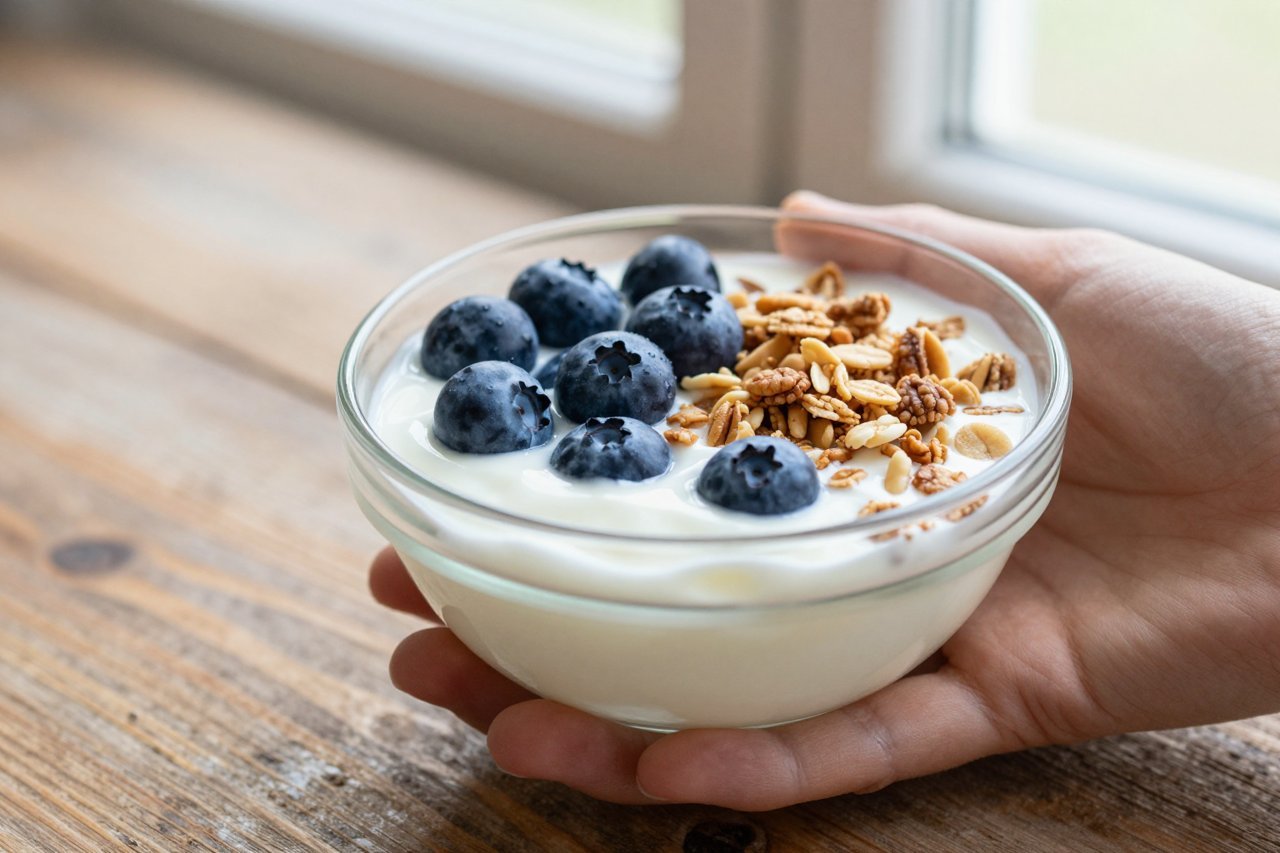
Fermented foods offer probiotics in a natural matrix that also provides vitamins, minerals, and bioactive peptides. Kefir, kombucha, kimchi, sauerkraut, and miso are all excellent choices, as are yogurts that contain live cultures. One practical way to add them is to follow a Mediterranean diet, which features plenty of vegetables, olive oil, fish, and fermented dairy like yogurt and feta. When choosing a supplement, look for products that have been third-party tested or carry a USP or NSF seal. You can also take prebiotics, which are dietary fibers that feed the beneficial bacteria in your gut, to maximize the effect.
Practical Routines That Make Probiotics Work Better
Taking a probiotic pill is only half the equation. To really notice probiotics benefits, you need to feed those good bacteria. Prebiotic fibers are their preferred food source, and you can find them in garlic, onions, bananas, oats, apples, and Jerusalem artichokes. When you combine a probiotic supplement with a diet rich in these fibers, you create an environment where the beneficial strains can thrive. This is why gut health experts often recommend a fiber-diverse diet over any single pill.
Another practical tip is to take your probiotic at the same time every day. Morning or evening doesn’t matter much, but the key is consistency. If you’re using a supplement with Lactobacillus or Bifidobacterium strains, take it before or with a meal. The food buffers the stomach acid and helps the bacteria survive the journey to your intestines. For Saccharomyces boulardii, timing is less critical because the yeast is naturally more resistant to acid.
Keep an eye on your lifestyle too. High stress, poor sleep, and heavy alcohol consumption can suppress beneficial bacteria. If you’re dealing with recurrent gut issues, consider a stool test to see what’s actually going on in your microbiome. But don’t get lost in the data. A reasonable approach is to add one or two fermented foods to your daily routine, choose a targeted probiotic strain for your specific concern, and give it at least a month. That’s how most clinical trials are designed, and it’s a realistic amount of time to see meaningful changes.


