
Table of Contents
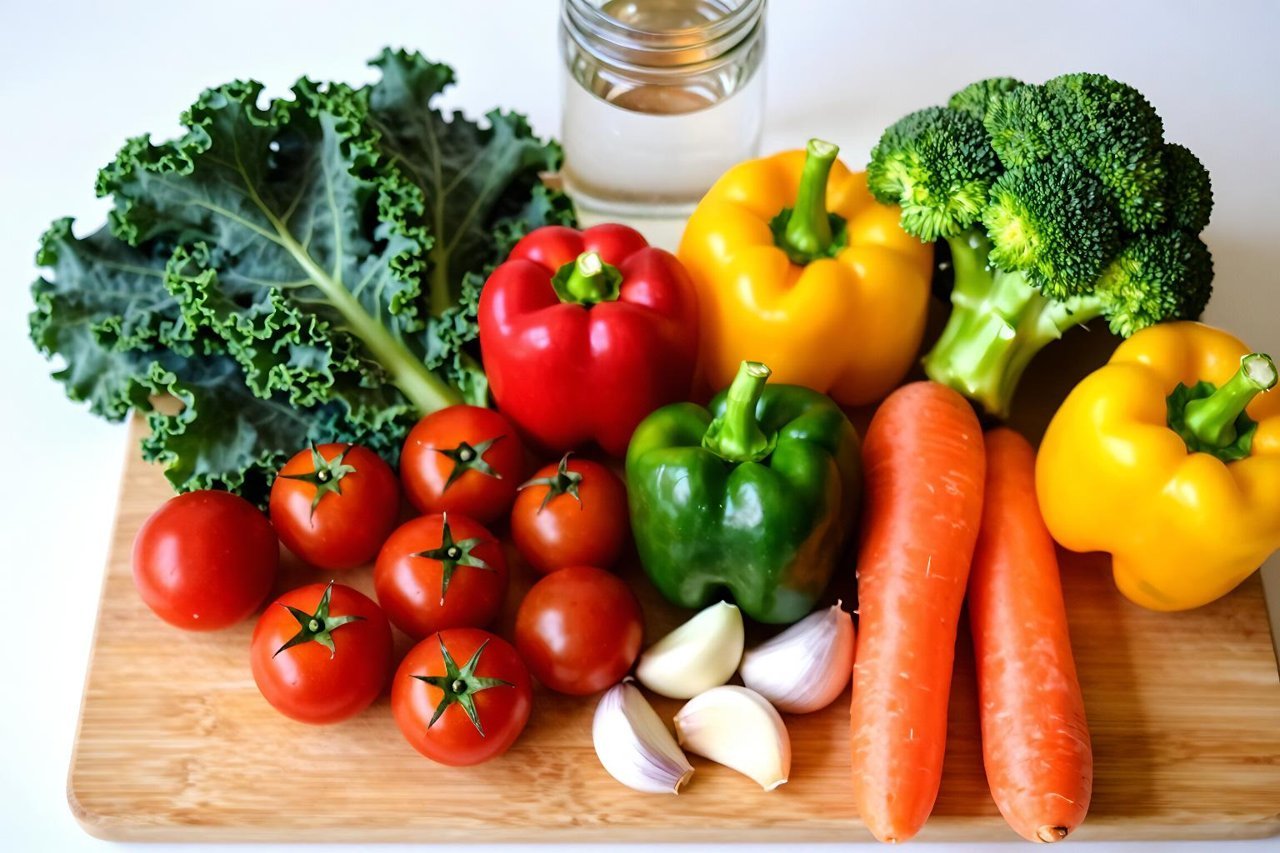
Vegetables are the cornerstone of a healthy diet, but with so many options, which ones truly deserve the title of healthiest? While all vegetables provide valuable nutrients, some stand out for their exceptional density of vitamins, minerals, fiber, and disease-fighting compounds. In this guide, we’ll explore the top contenders you’ll want to add to your plate regularly.
What Makes a Vegetable Healthy?
A healthy vegetable is one that delivers high amounts of essential nutrients per calorie. Key markers include antioxidant capacity (ORAC score), vitamin and mineral content (especially vitamins A, C, K, and potassium), fiber, and unique bioactive compounds like glucosinolates or flavonoids. The vegetables below consistently rank highest in these metrics.
Dark Leafy Greens
Kale
Kale has earned its superfood status for a reason. One cup of raw kale provides over 200% of your daily vitamin A and 130% of vitamin C. It’s also packed with vitamin K, manganese, and powerful antioxidants like quercetin and kaempferol. Studies suggest these compounds may help reduce inflammation and support heart health. For the best nutrient profile, choose organic varieties—research shows organic fruits and vegetables are 81% better than conventional in terms of antioxidant content.
Spinach
Spinach is a versatile leafy green rich in iron, calcium, and folate. Its lutein and zeaxanthin content supports eye health, while nitrates improve blood flow. A single cup of cooked spinach delivers over 800% of the daily value for vitamin K. Add it to smoothies, salads, or sautés for a nutrient boost.

Swiss Chard
Often overlooked, Swiss chard is loaded with vitamins A, C, and K, plus magnesium and potassium. Its vibrant stems contain betalains, pigments with anti-inflammatory properties. Use the leaves in place of spinach or kale for variety.
Cruciferous Vegetables
Broccoli
Broccoli is a cruciferous powerhouse. It contains sulforaphane, a compound shown to protect against cancer by neutralizing carcinogens and reducing oxidative stress. Just one cup provides over 100% of your daily vitamin C and a good dose of fiber. Steaming lightly preserves more nutrients than boiling.
Brussels Sprouts
These mini cabbages are rich in vitamin K and vitamin C, as well as kaempferol, an antioxidant that may reduce the risk of chronic disease. Roasting with olive oil brings out their natural sweetness and makes them a favorite even among skeptics.
Cauliflower
Cauliflower offers a mild flavor and impressive nutrient density. It’s high in choline, a nutrient vital for brain health, and glucosinolates that support detoxification. You can rice it, mash it, or roast it—it’s one of the most versatile veggies around.
Root Vegetables
Carrots
Carrots are best known for beta-carotene, which the body converts to vitamin A for vision and immune function. Eating them with a little fat (like olive oil) enhances absorption. They also provide fiber and a touch of sweetness, making them a healthy snack. Pair them with a breakfast that includes healthy breakfast food ideas to start your day right.
Sweet Potatoes
Sweet potatoes are packed with vitamin A (one medium spud covers over 400% of your daily needs), vitamin C, potassium, and fiber. Their complex carbs provide sustained energy, and their antioxidants, including anthocyanins in purple varieties, may reduce inflammation. Bake wedges with paprika for a tasty side.
Beets
Beets are unique for their high nitrate content, which improves blood flow and lowers blood pressure. They also contain betalains, powerful antioxidants that support liver health. Roast them whole or grate raw into salads for a earthy-sweet crunch.
Allium Vegetables
Garlic
Garlic is more than a flavor booster—it’s a medicinal powerhouse. Allicin, the compound responsible for its pungent smell, has been shown to boost immunity and reduce blood pressure. To maximize benefits, crush garlic and let it sit for 10 minutes before cooking.
Onions
Onions are rich in quercetin, a flavonoid with anti-inflammatory and antihistamine properties. They also contain prebiotic fiber that feeds beneficial gut bacteria. Red onions have the highest antioxidant content, so use them raw in salsas and sandwiches.
Other Powerhouse Vegetables
Bell Peppers
Red bell peppers are the most mature and nutrient-dense, providing over 150% of your daily vitamin C per cup. They’re also a great source of vitamin A and vitamin B6. Their crisp texture makes them perfect for dipping or stir-frying.
Tomatoes
Technically a fruit, but treated as a vegetable, tomatoes are loaded with lycopene, a carotenoid linked to reduced risk of prostate cancer and heart disease. Cooking tomatoes in oil actually increases lycopene absorption. Use canned tomatoes for sauces or enjoy cherry tomatoes raw.
Avocados
Avocados are unique: they’re rich in healthy monounsaturated fats and fiber, with more potassium than bananas. They also contain lutein for eye health and support nutrient absorption from other vegetables. Add slices to your salads or mash for guacamole.
Mushrooms
Mushrooms are the only plant-based source of vitamin D when exposed to UV light. They also provide selenium, copper, and B vitamins. Shiitake and maitake varieties offer immune-supporting beta-glucans. Sauté them with garlic for a savory side.
How to Maximize Nutrient Intake from Vegetables
Eat a variety of colors to ensure a broad spectrum of nutrients. Pair vitamin C-rich veggies (like bell peppers) with iron-rich ones (like spinach) to boost absorption. Include a source of fat (olive oil, nuts) with fat-soluble vitamins A, D, E, and K. Minimize overcooking—steam or stir-fry instead of boiling. And don’t forget the power of frozen vegetables: they’re flash-frozen at peak ripeness, often retaining more nutrients than fresh produce that’s been stored for days. For an extra protein kick, combine your veggies with plant-based sources; see this comparison of 13 vegan protein benefits compared to animal protein to learn how beans and legumes complement vegetable meals.
Many of these vegetables also rank high on lists of 10 cancer fighting foods to overcome cancer quickly, reinforcing their role in disease prevention. Make them a regular part of your meals—your body will thank you.


