
Table of Contents
A dog that looks calm in a photo can be a completely different animal at 6am on a rainy Tuesday. The best dogs for first-time owners aren’t the cutest puppies in the shelter kennel. They’re the ones whose size, energy, grooming needs and temperament line up with the life you already have, rather than the life you plan to start living the moment the dog arrives.
That mismatch explains a lot of the dogs surrendered between eight months and two years old. Someone falls for a husky’s blue eyes, discovers the dog needs two hours of hard running a day, and the whole thing unravels slowly over a winter. Choose with that in mind and the odds swing hard in your favour.
If you haven’t committed to a dog yet, it’s worth stepping back one level first. Our roundup of the best pets for first-time owners weighs dogs against cats, rabbits and smaller animals so you can check the whole picture before you fall in love with a breed.
What Actually Makes a Dog Beginner-Friendly
Five things do most of the work, and only one of them is breed.

Temperament over appearance
Breed tendencies are real, but individual dogs vary enormously within them. Meet the parents where you can, and ask foster carers how the dog behaves around strangers, children, other dogs, and people near its food bowl. A quiet, middle-aged mixed breed with good manners will make you happier than a nervous puppy from a fashionable breed.
Size you can physically handle
A 32kg adolescent Labrador who hasn’t learned leash manners can drag a grown adult down the pavement. If you’re small, older, or recovering from an injury, staying under roughly 12kg makes the daily walk something you look forward to instead of something you dread.
Energy that matches your real week, not your ideal one
Be honest here. A 30-minute walk before work and another after is plenty for many breeds and nowhere near enough for a border collie. Herding and working dogs need a job, not just a stroll, and a bored one will invent its own entertainment using your skirting boards.
Coat, shedding and grooming cost
Short-haired does not mean low-maintenance. Beagles and pugs shed constantly, while poodles and bichons barely shed but need professional clipping every four to six weeks. Budget $60 to $90 per groom, or learn to do it yourself badly for a year.
Noise levels and your neighbours
If you share a wall with someone, a breed that alerts to every footstep in the corridor will cause friction fast. Ask foster carers directly: does this dog bark at the door, at the lift, or at nothing at all?
The Best Dogs for First-Time Owners
Labrador Retriever
Twenty-five to thirty-six kilograms of enthusiastic, food-obsessed friendliness. Labs are eager to please, which makes training unusually forgiving of beginner mistakes, and they’re happy with an hour of decent exercise a day. Watch the weight, though. Many Labs carry a gene variant that leaves them feeling hungry constantly, so measure meals instead of free-feeding and you’ll avoid the joint problems that plague overweight dogs.
Golden Retriever
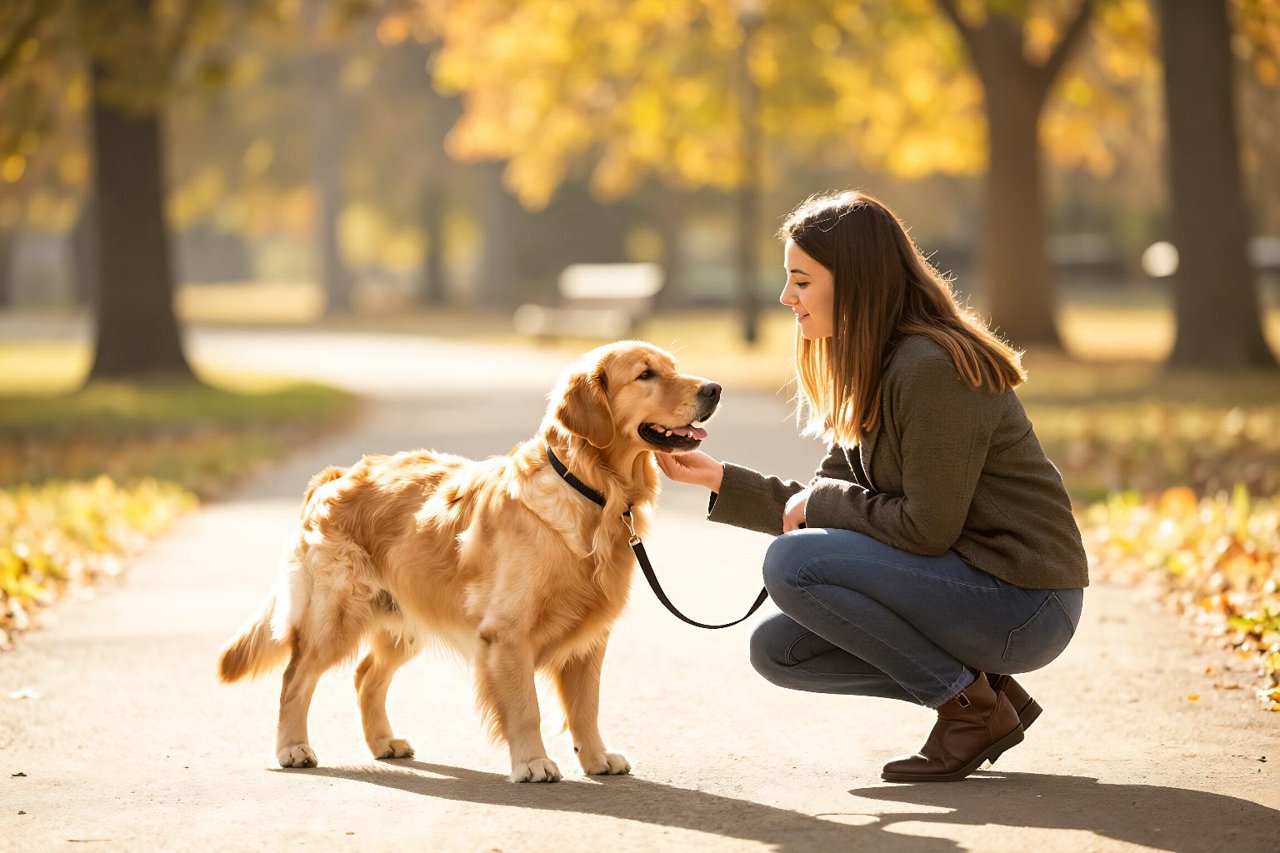
Similar temperament, longer coat, slightly softer nature. Goldens are wonderful with children and forgiving of clumsy handling. The catch is health: cancer rates in the breed are high, so pet insurance from day one is genuinely worthwhile rather than an upsell.
Cavalier King Charles Spaniel
Five to eight kilograms, happy with two short walks, and content to spend the afternoon on your lap. For flat-dwellers and older owners, the Cavalier is hard to beat. Be careful about where you buy one. Mitral valve disease affects the majority of the breed by age ten, and syringomyelia is common in poorly bred lines, so buy only from breeders who health-test both parents.
Bichon Frise and Miniature Poodle
Both shed very little, which matters if anyone in the house reacts to dog dander. Poodles are among the most trainable dogs alive, though that intelligence cuts both ways: a bored miniature poodle will teach itself to open cupboards. Expect regular grooming costs and a daily walk plus a training game.
Greyhound
Twenty-seven to forty kilograms that sprints at 70km/h for twenty seconds and then sleeps for sixteen hours. Retired racers are famously gentle, quiet in apartments, and need less exercise than most people assume. They do need a coat in cold weather, a secure lead at all times because of their prey drive, and patience with stairs.
An adult dog from a rescue
Skip the puppy phase entirely. With a dog over two years old, what you see is largely what you get, and foster-based rescues can tell you how it behaves in a real home: house-trained, fine with cats, sleeps through fireworks. First-time owners often do better with an adult than a puppy, even though it feels like the less exciting choice.
Breeds That Look Easy but Aren’t
None of these are bad dogs. They’re just not beginner dogs, and the gap between their reputation and their reality catches people out.
- Siberian Husky – bred to run a hundred miles through snow, masters of escape, and vocal enough to annoy an entire street.
- Border Collie and Australian Shepherd – brilliant and desperate for mental work. Two hours of fetch won’t tire them out; it trains them for more fetch.
- German Shepherd – protective instincts, thirty-plus kilograms, and a real need for structured training and socialisation from the first week.
- Jack Russell Terrier – small body, relentless prey drive, and a talent for digging that surprises new owners.
- Dachshund – stubborn, notoriously hard to house-train, and prone to spinal surgery that can cost $5,000 or more.
- Doodle mixes – often beautiful, frequently unpredictable in coat, size and energy, and rarely as low-shedding as advertised.
Questions to Answer Before You Choose
- How many hours a day will the dog be alone, honestly?
- Who walks it when it’s raining and you’re tired?
- Does your lease allow dogs, and is there a weight limit?
- Could you find $1,500 for an emergency vet bill next month?
- Are you planning a baby, a house move or a job change within two years?
- Who looks after the dog when you go away?
If any answer makes you wince, that’s useful information. A smaller, calmer, adult dog usually solves three of those problems at once.
What the First Year Really Costs
- Adoption or purchase: $150 to $600 from a shelter, considerably more from a breeder
- Food: $300 to $700 depending on size
- Routine vet care, vaccinations and parasite prevention: $300 to $600
- Spay or neuter if not already done: $200 to $500
- Crate, bed, lead, harness and bowls: $150 to $350
- Training classes: $150 to $300 for a six-week course
- Grooming: $240 to $540 a year for coated breeds
- Insurance: $25 to $70 a month
Food is the easiest line to overspend on. Marketing does a lot of heavy lifting in the pet aisle, so it pays to understand pet food basics for new owners before you commit to a $90 bag on the strength of the packaging.
Getting Through the First Ninety Days
Most behaviour problems in rescue dogs fade on their own if you give them time. The rough rule is three days to stop feeling overwhelmed, three weeks to settle into a routine, and three months to feel at home.
Book a vet check within the first 72 hours, even if the dog seems healthy. Keep the first fortnight boring: same walks, same food, few visitors. If you need to switch food, do it gradually over seven to ten days, and look at the best dog food brands for a healthier, happier pup if you’re starting from scratch. Puppy classes are worth the money before your dog turns sixteen weeks old, and the socialisation window closes faster than most people expect.
One piece of kit I’d buy on day one rather than week six is a tracker. A new dog is a flight risk, particularly a rescue that hasn’t bonded yet, and knowing how a canine GPS collar works before you need one beats learning it in a panic at 9pm.
Where to Find Your Dog, and What to Ask
Start with breed-specific rescue organisations, then general shelters, then reputable breeders. A good breeder will happily show you the mother, provide health test results for both parents, and ask you more questions than you ask them. If they can’t do any of that, walk away.
Whatever the source, ask three things before you sign anything: what happens if it doesn’t work out, what the dog has been treated for, and whether you can do a trial weekend. A rescue that refuses a trial is telling you something. And when you finally meet the dog, spend twenty minutes watching rather than stroking. The one that settles on the floor near you and sighs is usually the right answer, whatever the breed chart says.


