
Table of Contents
Every dog owner has a moment: the garden gate swings open, a squirrel appears, and in two seconds your dog is a brown blur heading for the horizon. What follows is a cold-sweat search. Hitting streets, calling, checking with neighbours. A quick canine GPS collar would have solved that kind of panic. But only if you know what these gadgets actually do.
For a beginner, “dog GPS” can feel like a muddle of straps, trackers, subscription plans and network coverage. Let’s peel it apart and start at the very beginning.
What do people actually mean when they say “canine GPS collar”?
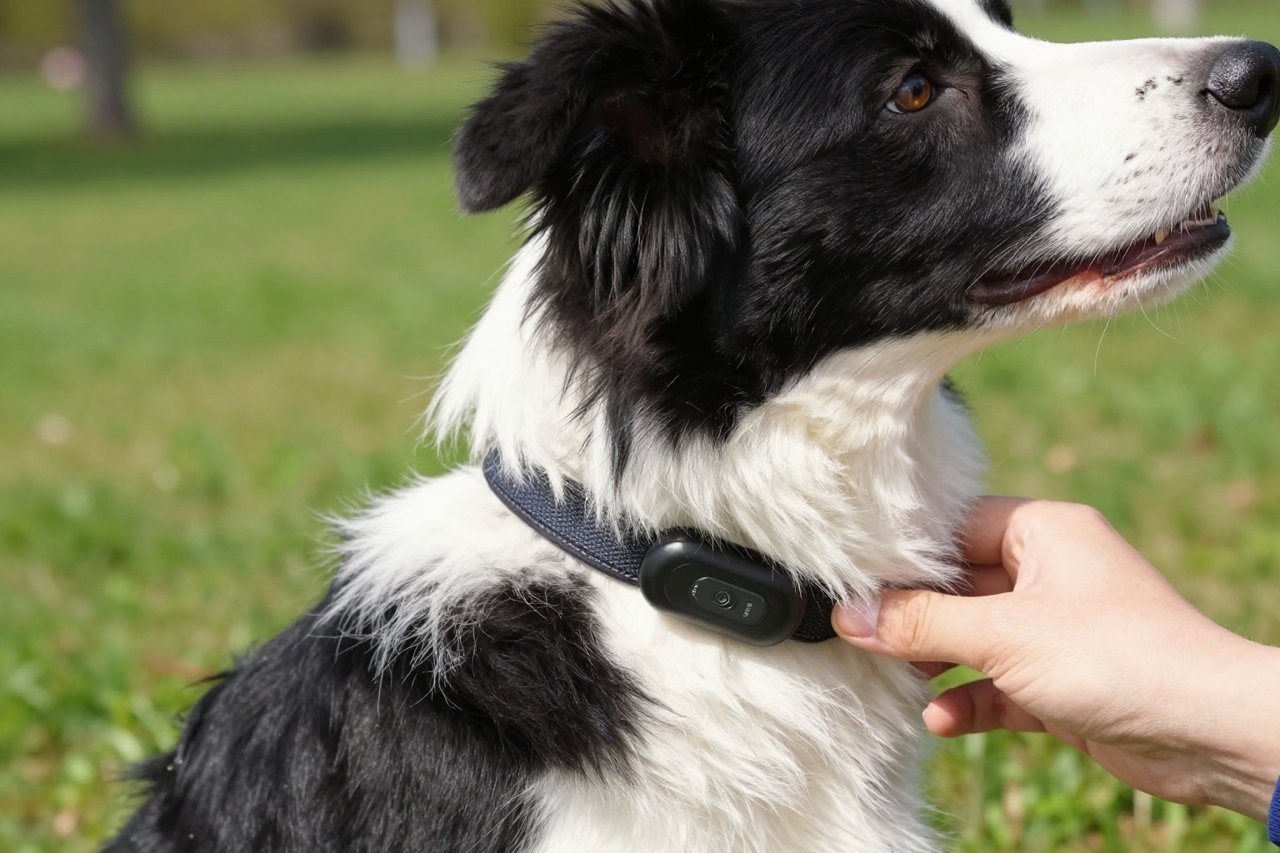
The phrase lumps two pieces of gear together. The GPS module is the small, waterproof unit that calculates your dog’s position. The collar itself is just the strap that holds the module in place. Many companies sell them as a bundle. You buy the strap, you snap the tracker on. Other trackers, especially ones made by Tractive or Garmin, simply clip onto any ordinary collar you already own.
This distinction matters because you’ll see a lot of online deals advertising “standalone tracker” and “collar bundle”. Buying a tracker that does not fit your dog’s existing collar is one of the main mistakes first-time owners make with dog GPS gear. The electronics may work, but if you can’t attach it securely, the thing is useless.

If you are looking for a bigger-picture walkthrough of all the connected devices, read our canine GPS tracker 101 guide for a deeper introduction to the tech.
How does the GPS part actually work?
Satellites do the heavy lifting
A constellation of around 30 satellites orbits Earth and keeps broadcasting precise timing signals. The tracker in your dog’s collar listens to several satellites at once and uses the tiny differences in arrival time to calculate its own position. It needs a clear view of the sky, not mobile phone coverage, to work out where it is.
A second network delivers the news to your phone
That raw position is locked inside the tracker until it can be sent to you. So all functional dog GPS collars also have a communication link. Typical options:
- Cellular systems: the collar uses a miniature mobile radio and sends updates over the cellular network. You open an app from anywhere and see your dog’s location.
- Radio systems: the collar talks directly to a handheld receiver you carry. There is no subscription and no internet dependence, but the range is usually shorter and hills or dense forest can interrupt it.
Some devices also use Bluetooth for ultra-short-range finding, and some combine several links for better coverage. The exact technology matters less than matching it to the places you walk. If you want a clear breakdown of what each type can and can’t do, compare the main types of collar networks before you buy.
Reality check: “live” isn’t as live as you might think
Most beginners imagine a dot sliding across the map in real time. In practice, the tracker wakes up, gets its position, and transmits. Many collars send a fresh point every 30 to 90 seconds in normal mode, or every few minutes in battery-saving mode. The app connects those points with a line, but there is always a short gap.
That’s plenty for finding an escaped dog. Just don’t count on it to follow each zigzag across a field second by second.
Refresh rate directly affects battery:
- Live or burst mode: updates every few seconds for emergencies, and eats power fast.
- Normal walk mode: updates every 30-90 seconds, dependable for everyday escapes.
- Eco mode: updates every few minutes or longer, great for week-long battery life.
What else can a canine GPS collar give you?
A route history when you were not watching
If your dog slips out at 2pm and you get home at 6pm, you can often open the app and trace the entire escape. Route history is a major advantage that many first-time buyers don’t think about.
Geofence alerts that tell you before panic starts
Geofencing allows you to draw a virtual boundary around a yard or camp. When the next GPS point falls outside the boundary, the app sends you a push notification. The anti-lost dog feature does not physically stop the dog, but it can warn you ten minutes earlier than normal.
Basic activity tracking
Many modern trackers count steps, measure sleep, and look for unusual scratching. It isn’t medical data, but it is a handy way of noticing when a happy 4-mile-a-day dog begins to slow down or sleep more.
All these extras rely on a properly worn, fully charged device. Run through the manufacturer’s initial fitting and charging checklist during the first week instead of waiting for an emergency.
Battery life and weight: the two trade-offs
The battery is the weakest physical link in any canine GPS collar. Receiver, GPS chip and antenna all draw power, so you need to balance size, weight and battery life. Consumer devices often weigh between 20 and 35 grams and can run 1 to 3 weeks in normal mode. Larger radio trackers built for hunting dogs might last longer but feel chunkier around a small dog’s neck.
Match the hardware to the dog. A labrador can easily carry a 40 gram device. A chihuahua needs something closer to 15 grams, which inevitably means a shorter battery or fewer transmission choices.
Is a monthly subscription unavoidable?
If you choose a cellular collar, the answer is almost always yes. Most brands charge somewhere from $8 to $20 per month in the US, often with lower rates when you buy one or two years in advance. That fee pays for the mobile network, cloud server and app data history. If you cancel, the collar usually turns into a very expensive LED light.
A radio-based system requires no subscription. But you must carry the matching receiver. Leave the receiver at home and the collar can still broadcast, but there is nobody to listen.
Hybrid devices are less predictable. Some include a limited free plan but ask you to subscribe for geofencing or faster updates. Always check what happens after the included first year before you commit to a specific brand.
Choosing your first collar: start with your daily environment
Begin by listing where the dog is off-lead. In towns and suburbs with solid mobile coverage, a cellular collar handles both everyday escapes and park walks. If you hike in remote forest or steep valleys, a hybrid or radio model with extra range makes more sense. If your dog is an escape artist that stays near the garden, even a simple Bluetooth tracker saves you a lot of fence searching.
Read app reviews carefully. The app is the part you will use when stressed, and some of the best-looking trackers have slow or glitchy apps. Then check physical fit using the manufacturer’s sizing guide, not just the dog’s breed.
To see a fuller comparison of waterproof ratings, signal acquisition time, price and ease-of-use, use our detailed guide to picking a canine GPS collar that actually works. It covers the essential parameters before you spend your money.


