
Table of Contents
Ask five makeup artists for the best foundation on the market and you’ll get five different answers. That’s because a holy-grail base is personal. It depends on your skin’s oil levels, your preferred finish, how much coverage you actually want, and whether you’ll be wearing it for eight hours or just your lunch break.
What works for your best friend might slide off your t-zone by midday. The formula a beauty editor swears by could feel heavy on your dry patches. So before you buy another bottle, work out what you’re really looking for. Here’s how to narrow down the enormous sea of options and land on a foundation that genuinely works for you.
Start With Your Skin Type, Not the Trend
Your skin type is the single biggest clue to which foundation will behave well on you. Oily skin needs oil control and a formula that won’t break down. Dry skin needs hydration and flexible ingredients that don’t cling. Combination skin needs a balance, and normal skin can often get away with almost anything. The problem is, most people guess their skin type wrong.
Oily Skin: Look for Oil-Free, Matte Formulas
If your face gets shiny within a couple of hours, you need a foundation that’s designed to absorb excess oil. Look for ingredients like dimethicone, silica, or niacinamide on the label. Avoid oil-based formulas and anything that says “luminous” or “hydrating” – those are the fast track to a greasy finish. For a list of options that specifically target shine, check out these 9 best foundations for oily skin to get a fresh complexion. You’ll find picks that hold up through humidity and long days without turning into a slip-and-slide.

Dry and Sensitive Skin: Hydration Is Non-Negotiable
Dry skin needs a foundation that won’t settle into fine lines or flaky patches. Search for formulas containing hyaluronic acid, glycerin, or squalane. Creamy, serum-like foundations tend to sit better on dry skin than powder finishes. It’s also worth looking at how the foundation behaves with skincare – some formulas react badly with certain moisturizers. The best foundation for your skin type: Estée Lauder guide breaks down how to pair your base with your skin’s needs, including options for dry, oily, and combination skin.
Combination and Normal Skin: Choose Flexibility
Combination skin is the trickiest – you might be oily in the t-zone and tight on your cheeks. Look for words like “balanced”, “medium coverage”, or “natural finish”. These formulas are designed to sit in the middle. For normal skin, you have the freedom to experiment with different textures. Just pay attention to how a foundation feels after six hours, not just when you first put it on.
The Finish You Actually Want Matters as Much as the Formula
Finish defines how light reflects off your face, and it can change the entire look of your makeup. Matte finishes are great for oily skin or a more polished, editor-style look. Luminous or dewy finishes add glow and are perfect for dry or mature skin. A natural or satin finish sits somewhere in between – it’s the most forgiving and the easiest for everyday wear.
Think about your lifestyle before you pick a finish. If you’re going to be photographed under flash, avoid foundations with heavy SPF because they can cause flashback – a white veil that appears on your face in photos. If you’re working outdoors, a matte or natural finish will hold up better than a dewy one in heat. And if you’re not sure which finish you like on yourself, get samples and wear each one for a full day. The right finish should make your skin look like skin, only improved.
How to Test a Foundation Before You Commit
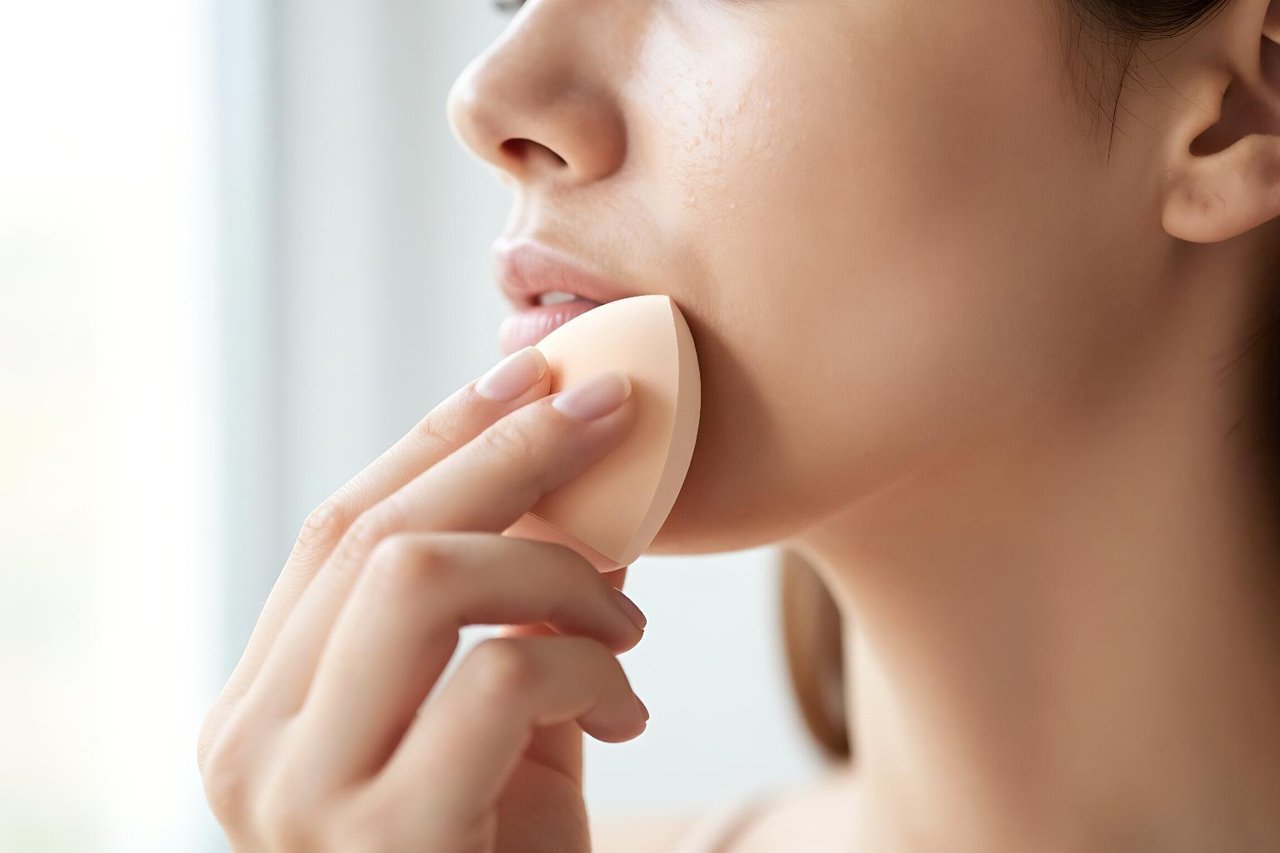
Here’s a mistake almost everyone makes: testing foundation on the back of the hand. The skin there is different from your face. Test on your jawline instead, and use three shades that seem close. Blend them in and then check in natural daylight. The right shade should disappear into your neck, not create a visible line.
Also, test the texture. A foundation should feel comfortable within ten minutes – not tight, not sticky, not slick. Try wearing it for a few hours. How does it look at three o’clock? Most flawed bases look fine at first. The true reality check is how they wear through the day.
- Cakey after two hours? It’s too heavy for your skin.
- Disappeared by lunch? You need better grip or a primer.
- Oxidized orange? The formula is reacting with your skin’s pH – move on.
If you’re lucky enough to get a sample, wear it and pay attention. Swatches will only tell you so much.
When Lighter Is Actually Better
There’s a misconception that the best foundation has to give heavy, full coverage. But many people look better in a sheer, skin-like tint. Lightweight foundations are perfect for warm weather, casual days, or when your skin is already clear and you just want to even out the tone. They’re also more forgiving for beginners because they’re harder to mess up.
The best lightweight foundations for spring are a great starting point if you want a breathable base that still evens things out. These formulas often have skincare benefits built in, like SPF or hydrating serums. Just remember that sheer coverage doesn’t mean no coverage – you can always build them up on areas that need more help.
The Stick Revolution Is Worth Paying Attention To
Sticks used to be for dry skin only, but the formula quality has come a long way. A good foundation stick gives you full control, quick application, and easy touch-ups on the go. You can swipe it directly onto your face, blend with a brush or sponge, and even use it for contouring. They’re ideal if you travel or need to refresh your makeup mid-day without carrying a full foundation bottle.
If you like the idea of a multi-purpose base, the 12 best foundation sticks for complete on-the-go coverage in 2025 offers a range of options from matte to satin finishes. A stick can also double as a concealer if you’re in a pinch – just blend the edges well.
Prep Is Half the Formula
Even the most expensive foundation won’t look good on dehydrated, poorly prepped skin. The key to a long-wearing, flawless base actually starts in your skincare routine. If you have oily skin, using the best skin care routine for oily skin can reduce the shiny patches and help your foundation grip better. For dry skin, focusing on hydration before application will stop your base from flaking.
Don’t skip SPF either. Sun exposure causes skin texture changes that affect how foundation sits on you. The best sunscreen for face and sensitive skin will keep your skin healthy while protecting your makeup – almost every modern sunscreen now works well under foundation if you give it two minutes to set.
How to Adjust Your Foundation Through the Year
Your skin changes with the seasons, and your foundation should change too. In summer, heat and humidity make oilier skin even oilier, and full-coverage formulas can feel suffocating. That’s when you want a lighter, more skin-like tint or a matte formula with strong oil control. In winter, your skin can become drier, so a hydrating, luminous base gives you a healthier glow.
Keep two or three foundations in rotation at different intensities. This is not a waste – it’s smart makeup management. For days when you have active breakouts or need endure an event, use the fuller coverage formula. On weekends or when you’re just getting coffee, use the lightweight one. Having a wardrobe of bases means you always have the best tool for the day’s demands.
Finding the best foundation is a process of trial and error, but it’s not random. Know your skin, test properly, and pay attention to how the formula changes over time. When you finally find a foundation that feels like your own skin but better, you’ll understand why the search is worth it. Keep experimenting and keep it fun – the perfect base is out there.


