
Table of Contents
Electric vehicles are getting cheaper every year, but the term “cheapest electric car” can mean different things to different buyers. Are you after the lowest sticker price? The best value over five years? Or the cheapest option with the most range? This guide cuts through the noise and gives you a clear picture of the most affordable EVs you can buy right now—and what they actually cost to own.
What Even Counts as a Cheap Electric Car?
Let’s set a baseline: a “cheap” EV in 2025 typically starts under $30,000 before any tax credits or incentives. A handful of models dip below $25,000, and at least one comes in under $20,000. But price is only part of the story. You also need to consider battery range, charging speed, warranty, and how much you’ll save on fuel and maintenance.
The Current Cheapest Electric Cars on the Market
2025 Nissan Leaf: The Budget Veteran
The Nissan Leaf has been around since 2011, and it’s still one of the most affordable EVs. The base S trim starts around $28,000. With a 149-mile range, it’s ideal for city commutes and errands. It supports CHAdeMO fast charging, but that standard is fading—something to keep in mind if you plan long trips. The Leaf qualifies for the federal tax credit of up to $3,750, bringing the effective price down to ~$24,000.
2025 Chevrolet Bolt EV: Value Champion
The Chevy Bolt EV is often the first name that comes up in any discussion about cheap electric cars. After a brief hiatus, it’s back with a refreshed design and a starting price around $26,500. With a 259-mile range, it blows past the Leaf in practicality. It also qualifies for the full $7,500 federal tax credit, so many buyers pay under $19,000 before state incentives. That’s less than a Toyota Corolla.

2025 Mini Cooper SE: Fun on a Budget
If you want a cheap EV that’s also fun to drive, the Mini Cooper SE starts at about $30,000. Its 114-mile range is short, but the go-kart handling and premium feel make it a joy. After federal tax credits (up to $3,750), the price falls to around $26,000. Not the cheapest, but for urban drivers who value style, it’s a strong contender.
2025 Hyundai Kona Electric: Compact Crossover, Low Price
The Kona Electric starts at roughly $32,000, but with available incentives it can drop below $25,000. It offers a 260-mile range and plenty of standard safety features. It’s a great option if you want a small SUV without paying premium prices.
2025 MG4 (US import): The Under-$20,000 Wildcard
In markets where the MG4 is sold, it starts around $19,000 after incentives. It’s not widely available in the US yet, but keep an eye on it. With 218 miles of range and a modern design, it’s proof that renewable energy and affordable transportation can go hand in hand.
Why the Cheapest Sticker Price Isn’t Always the Best Deal
It’s tempting to grab the lowest-priced EV, but total cost of ownership matters more. For example, a used Nissan Leaf might cost $12,000, but if the battery has degraded, you may face expensive repairs later. On the flip side, a new Chevy Bolt with the full tax credit could actually be cheaper to own over five years than a used gas car, once you factor in fuel savings.
Fuel and Maintenance Savings
Electricity is cheaper than gasoline on a per-mile basis—typically 30–50% less. An EV also has far fewer moving parts: no oil changes, no timing belts, no exhaust system. The average EV owner saves $800–$1,000 per year on fuel and $300–$500 per year on maintenance. Over five years, that’s thousands of dollars in your pocket.
Depreciation and Resale Value
Some cheap EVs hold their value better than others. The Tesla Model 3, for instance, is not the cheapest upfront (around $35,000 used), but it retains value well. Meanwhile, the Nissan Leaf tends to depreciate faster because of its older battery tech. If you plan to sell after a few years, consider a model with strong demand and good battery health.
Federal and State Incentives Can Slash the Price
The Inflation Reduction Act offers a federal tax credit of up to $7,500 for new EVs that meet domestic assembly and battery sourcing requirements. Many of the cheapest models—like the Chevy Bolt and Nissan Leaf—qualify for at least a partial credit. On top of that, some states add their own rebates:
- California offers up to $2,000 (plus extra for low-income buyers)
- Colorado gives up to $2,500
- New York has a $2,000 rebate
- Texas offers $2,500 for certain models
These can stack with the federal credit, bringing a $26,000 EV down to $16,000 in some cases. Also, check with your local utility—many offer rebates for installing a home charger.
Charging: The Hidden Cost of Cheap EVs
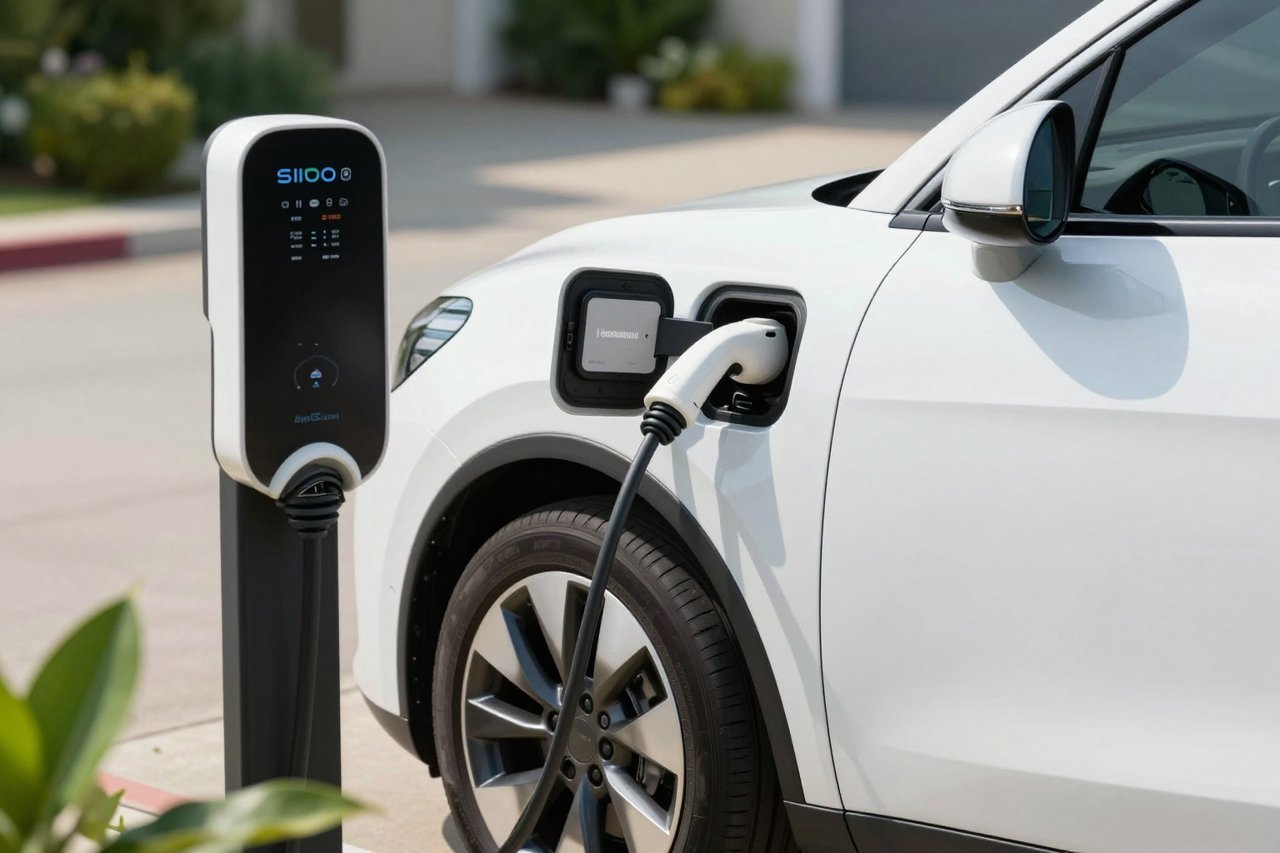
All cheap EVs can charge at home using a standard Level 1 outlet, but that’s slow—adding about 3–5 miles per hour. For daily use, a Level 2 charger (240V) is recommended. Installation costs $300–$1,200 depending on your electrical panel. Some automakers offer deals on chargers when you buy a new car.
For road trips, fast-charging speeds vary. The Chevy Bolt can DC fast charge at up to 55 kW, adding about 100 miles in 30 minutes. The Nissan Leaf maxes out at 50 kW on CHAdeMO, but many fast-charging networks are switching to CCS or NACS. If you plan long trips, look for a model with CCS compatibility.
Environmental and Lifestyle Benefits Beyond Price
Driving the cheapest electric car isn’t just about saving money—it also helps reduce emissions. Even if your grid isn’t fully renewable, an EV produces fewer greenhouse gases over its lifetime than a gas car. As climate change intensifies, every switch to electric makes a difference. Plus, you can charge with solar panels at home, and if you pair that with a battery, you’re driving on pure sunshine.
How to Pick the Right Cheap EV for You
- Calculate your typical daily miles – If you drive less than 40 miles a day, even a short-range EV like the Mini SE works fine.
- Check for available tax credits – Not all models qualify; verify with the IRS or your dealer.
- Factor in state incentives – Some states offer extra rebates for income-qualified buyers.
- Compare total cost of ownership – Use an online calculator to factor in fuel, maintenance, insurance, and depreciation.
- Read real owner reviews – Head to forums like Reddit’s r/electricvehicles to hear from people who daily drive these cars.
Leasing vs. Buying: Which Makes Sense for a Cheap EV?
Leasing can be attractive because you don’t have to worry about battery depreciation, and you can get a new car every few years. Some cheap EVs have lease deals under $200 per month with little down. However, if you plan to keep the car for many years, buying is usually cheaper overall, especially if you can take advantage of tax credits.
Don’t Forget About Used EVs
If your budget is really tight, a used EV can be a steal. Pre-2020 Nissan Leafs with lower range can be found for under $10,000. A used Chevy Bolt from 2017–2019 runs about $13,000–$16,000, but be aware that earlier Bolts had battery fire recalls—most have been fixed under warranty. Used EVs also qualify for a federal tax credit of up to $4,000 under the IRA for eligible models.
Are Cheap Electric Cars Reliable?
Yes, generally. EVs have fewer moving parts, so they last a long time. The major concern is battery life. Most manufacturers offer 8-year/100,000-mile warranties on the battery. Real-world data shows that modern batteries lose only about 10–15% capacity after 200,000 miles. That means a cheap EV can easily last a decade or more with minimal repairs.
If you’re worried about long-term costs, consider a model with a good warranty. The Hyundai Kona Electric has a 10-year/100,000-mile powertrain warranty. That peace of mind can be more valuable than saving a few thousand upfront.
The Future of Affordable EVs
More automakers are entering the budget EV space. In 2025 and beyond, we’ll see the Tesla Model 2 (expected ~$25,000), the Chevy Equinox EV (base model around $28,000), and more Chinese brands like BYD arriving in Europe and Latin America. Competition is driving prices down. By 2026, the cheapest electric car might cost under $20,000 without any incentives, making gas cars obsolete for many buyers.
For now, the best bang for your buck remains the Chevy Bolt EV—or a gently used Nissan Leaf if you’re truly pinching pennies. But don’t rush: test drive a few models, crunch the numbers, and think about your driving habits. The switch to electric pays off faster than you think, and you might be surprised how much you can save—especially if you’re already thinking about wealth decumulation strategies in your FIRE plan.


