
Table of Contents
Diabetes affects millions of people worldwide, and finding the right treatment plan is essential for maintaining health and preventing complications. While there is no cure, modern diabetes treatment options allow individuals to lead full, active lives. The key is a personalised approach that combines medication, lifestyle changes, and regular monitoring.
Understanding Diabetes Types and Why Treatment Differs
Before diving into treatment specifics, it helps to understand the two main types. Type 1 diabetes is an autoimmune condition where the pancreas produces little to no insulin. Type 2 diabetes, far more common, involves insulin resistance and eventually reduced insulin production. Gestational diabetes occurs during pregnancy and often resolves after delivery, but it increases future risk.
Treatment strategies vary accordingly. People with Type 1 require lifelong insulin. Those with Type 2 may start with lifestyle modifications and oral medications, then progress to insulin if needed. The goal is to keep blood glucose in a healthy range—typically 80–130 mg/dL before meals and below 180 mg/dL after meals—without causing dangerous lows.
Core Components of Effective Diabetes Treatment
Blood Sugar Monitoring
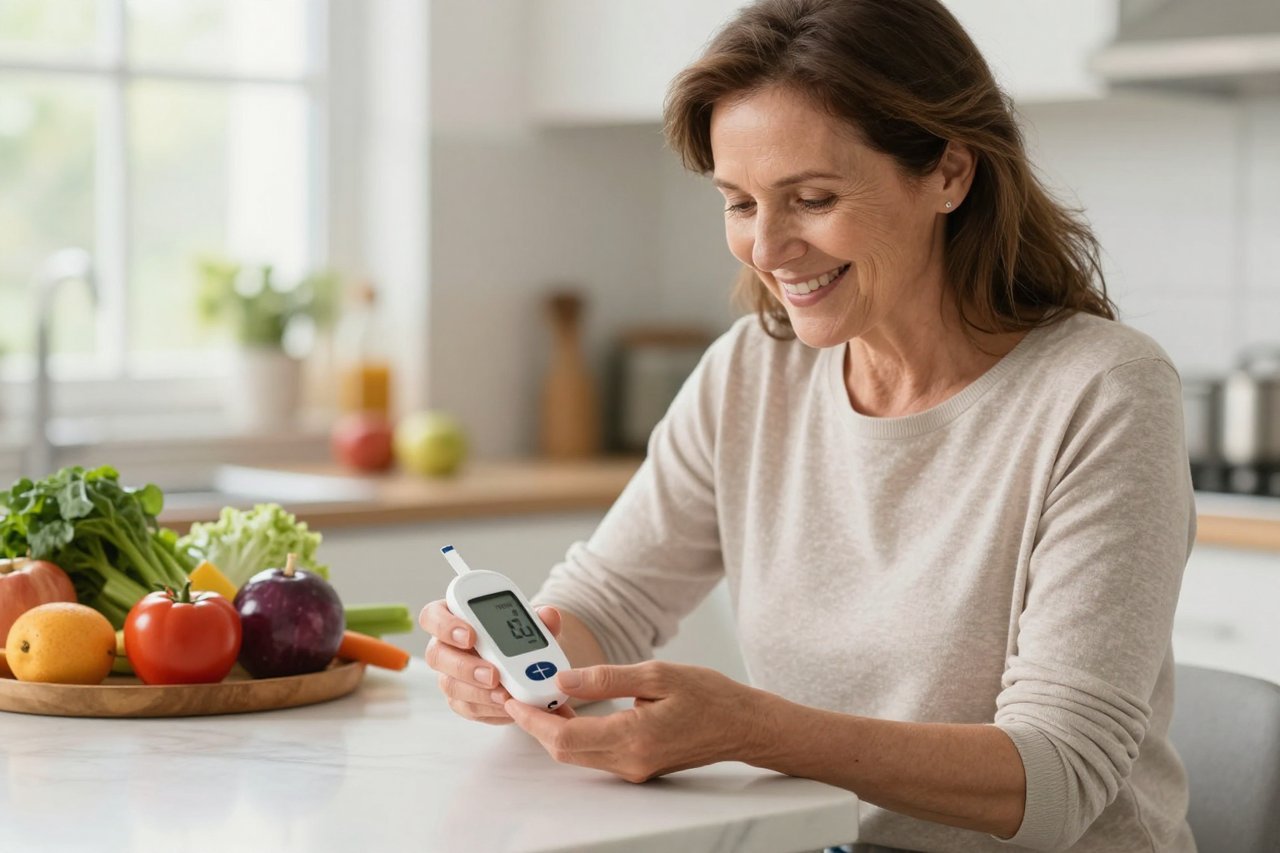
You cannot manage what you don’t measure. Self-monitoring of blood glucose (SMBG) using a glucometer provides real-time feedback. Continuous glucose monitors (CGMs) like Dexcom and FreeStyle Libre offer trend data without fingersticks, helping patients and doctors fine-tune diabetes treatment plans. Checking before and after meals, exercise, and bedtime gives a complete picture.

Medication Options
Oral medications are the mainstay for Type 2 diabetes. Metformin is usually first-line—it lowers glucose production in the liver and improves insulin sensitivity. Other classes include:
- Sulfonylureas (e.g., glipizide) stimulate the pancreas to release more insulin.
- DPP-4 inhibitors (e.g., sitagliptin) help the body produce more insulin after meals.
- SGLT2 inhibitors (e.g., empagliflozin) cause kidneys to excrete glucose in urine—also benefit heart and kidneys.
- GLP-1 receptor agonists (e.g., semaglutide) slow digestion and increase insulin secretion; some also promote weight loss.
- Thiazolidinediones (e.g., pioglitazone) improve insulin sensitivity in fat and muscle.
For those needing insulin, various types exist: rapid-acting (lispro, aspart) for meals, short-acting (regular), intermediate (NPH), and long-acting (glargine, detemir) for basal coverage. Many people use a combination, such as a long-acting insulin once daily plus rapid-acting with meals.
Insulin Delivery and Technology
Insulin pens and syringes are common, but insulin pumps deliver a continuous subcutaneous dose. Hybrid closed-loop systems—often called artificial pancreas—automatically adjust insulin based on CGM readings. These technologies significantly improve glycemic control and reduce the burden of daily decisions.
Lifestyle as Treatment: Diet and Exercise
Medication alone isn’t enough. Lifestyle changes are equally powerful. A balanced diet rich in vegetables, whole grains, lean proteins, and healthy fats helps stabilise blood sugar. Carbohydrate counting is a practical skill—knowing how many carbs are in a meal allows for accurate insulin dosing. Many people find that reducing processed foods and added sugars leads to better numbers.
Exercise increases insulin sensitivity for up to 24 hours. Aim for at least 150 minutes of moderate activity per week—brisk walking, cycling, swimming. Strength training builds muscle, which burns more glucose at rest. However, people on insulin should monitor blood sugar before and after exercise to prevent hypoglycaemia.
Managing Complications Through Treatment
Untreated or poorly managed diabetes can lead to serious complications: heart disease, stroke, kidney failure, nerve damage, vision loss, and increased infection risk. Proper diabetes treatment reduces these risks dramatically. For example, controlling blood pressure and cholesterol is part of comprehensive diabetes care. Metformin and SGLT2 inhibitors have cardiovascular and renal benefits beyond glucose lowering.
Nerve damage (neuropathy) can cause pain, numbness, and digestive issues. Medications like gabapentin or duloxetine help. Foot care is crucial—daily checks for cuts and blisters prevent infections that can lead to amputation. Diabetes also raises the risk of fungal infections, especially in warm, moist areas. Prompt treatment with antifungals is important.
Coordinating Care Across Specialties
Managing diabetes often involves a team: primary care, endocrinologist, dietitian, diabetes educator, and sometimes a podiatrist, ophthalmologist, or cardiologist. Regular checkups—including eye exams, kidney function tests, and foot exams—are built into treatment guidelines. The link between diabetes and stroke underscores the importance of managing blood pressure and cholesterol. Lifestyle modifications like a heart-healthy diet and regular activity benefit both conditions.
Emerging Treatments and Research
The landscape of diabetes treatment is evolving rapidly. Newer GLP-1 agonists are showing weight loss comparable to surgery. Dual and triple agonists (targeting GIP, GLP-1, and glucagon) are in clinical trials. Cell therapies—such as transplanted islet cells or encapsulated insulin-producing cells derived from stem cells—offer hope for Type 1 patients. Implantable pumps and fully automated closed-loop systems are becoming more sophisticated.
For people with Type 2, bariatric surgery can lead to remission in many cases. The metabolic changes from surgery often improve blood sugar before significant weight loss occurs. However, surgery is not a first-line option; it’s considered for those with BMI >35 and uncontrolled diabetes despite medical therapy.
Daily Life: Practical Tips
- Keep a log of blood sugar readings, meals, activity, and medication doses. Patterns emerge that help adjust treatment.
- Plan for lows—always carry glucose tablets or a sugary drink. Treat immediately with 15 grams of fast-acting carbohydrate, recheck in 15 minutes.
- Sick day rules—infection raises blood sugar. Check more often, stay hydrated, and never skip insulin even if you can’t eat. Contact your doctor if vomiting or high glucose persist.
- Travel smart—carry medications and supplies in carry-on, have a letter from your doctor, and check time zone effects on insulin timing.
- Manage stress—stress hormones raise blood sugar. Relaxation techniques, adequate sleep, and talking to a counsellor can help.
One common side effect of certain diabetes medications, especially metformin, is gastrointestinal upset. For some people, this can lead to constipation. Increasing fibre intake and staying hydrated often alleviate this. Discuss any persistent issues with your healthcare provider—they may adjust the dose or timing.
Tailoring Treatment to Individual Needs
There is no one-size-fits-all diabetes treatment. Age, weight, activity level, other health conditions, and personal preferences all matter. For example, an older adult with heart disease may benefit from SGLT2 inhibitors, while a younger active person might prefer a flexible insulin regimen with a pump. Shared decision-making between patient and clinician produces the best outcomes. Don’t hesitate to advocate for yourself—if a medication causes side effects, ask about alternatives. The ultimate goal is to achieve good control while maintaining quality of life.
Living with diabetes requires daily diligence, but advances in treatment make it easier than ever. From smart insulin pens to personalised dietary plans, the tools available today empower people to manage their condition proactively. Staying informed, building a strong support network, and working closely with your healthcare team are the foundations of successful long-term management.


