
Table of Contents
That scratchy, raw feeling at the back of your throat can make swallowing a chore and talking a trial. Before you reach for over-the-counter lozenges, consider the gentle power of herbal teas. For centuries, cultures around the world have turned to plant-based infusions to calm irritated throats, reduce swelling, and fight off the underlying infection. Whether you’re dealing with a cold, flu, or just dry winter air, the right herbal tea can provide immediate comfort and long-term relief.
Why Herbal Teas Work for Sore Throats
Herbal teas are more than just warm, comforting liquids. They deliver bioactive compounds directly to the inflamed tissues of your throat. Many herbs contain mucilage—a gel-like substance that coats and protects the mucous membranes. Others have anti-inflammatory, antibacterial, or antiviral properties that tackle the root cause. The warmth itself increases blood flow, which can speed healing. And let’s not forget the hydration: staying well‑hydrated is crucial when you’re sick, and sipping tea makes it easy to keep fluids up.
Best Herbal Teas for Soothing a Sore Throat
Chamomile Tea
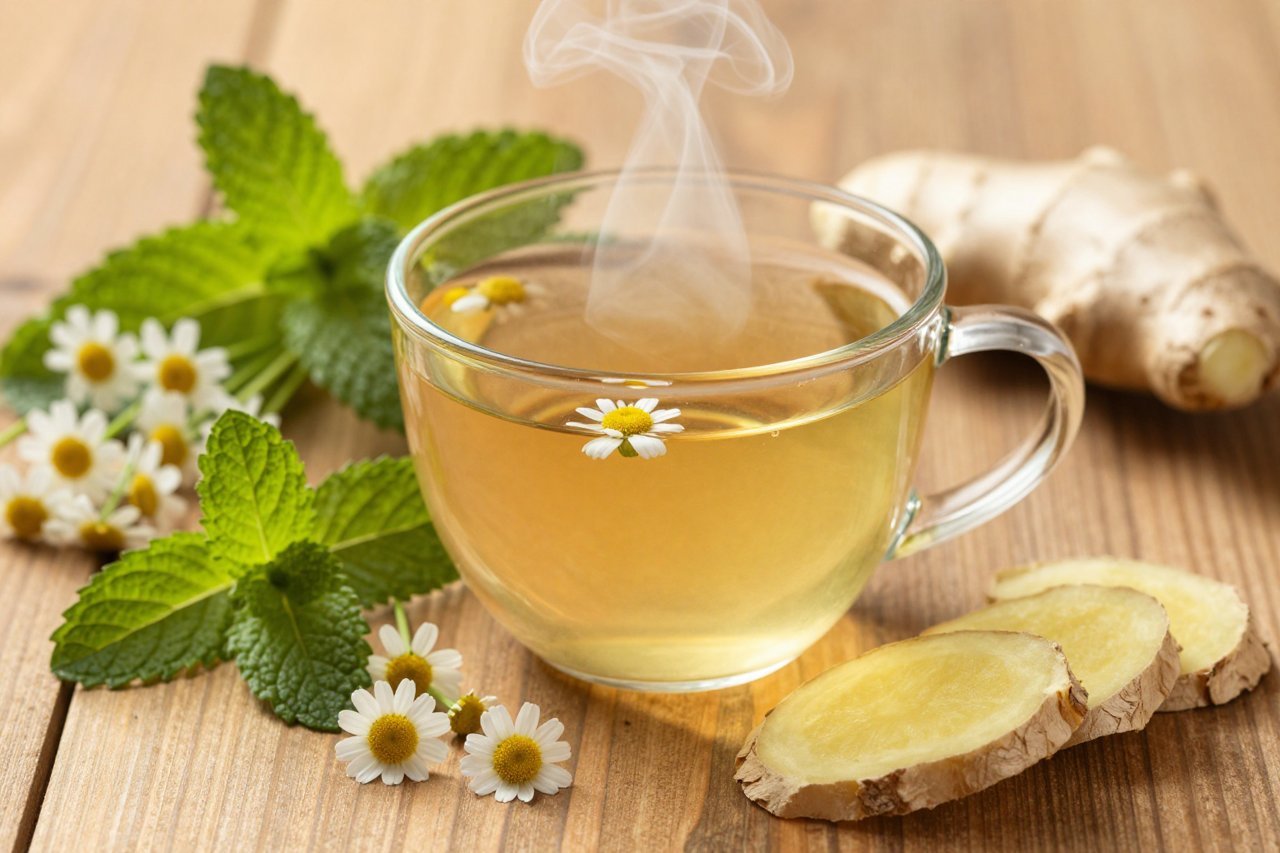
Chamomile is a gentle giant when it comes to sore throats. Its anti‑inflammatory compounds, like chamazulene and bisabolol, help reduce swelling and redness. A study published in the Journal of Agricultural and Food Chemistry found that inhaling chamomile steam can even alleviate cold symptoms. Sipping a warm cup before bed not only soothes your throat but also promotes sleep—which is when your body does most of its repairing. Brew it strong by steeping two tea bags for at least 10 minutes.
Peppermint Tea
The menthol in peppermint acts as a natural decongestant and mild anesthetic. It creates a cooling sensation that numbs throat pain temporarily, making it easier to swallow. Peppermint also has antiviral and antibacterial effects against common respiratory pathogens. For an extra kick, add a slice of fresh ginger and a squeeze of lemon. Just avoid peppermint if you have GERD, as it can relax the lower esophageal sphincter and worsen reflux.

Ginger Tea
Ginger is a powerhouse of anti‑inflammatory gingerols and shogaols. These compounds inhibit pain pathways similar to NSAIDs but without the stomach side effects. Fresh ginger tea can be made by slicing a 1‑inch piece of root, simmering it in two cups of water for 10 minutes, then straining. Add honey—which itself has antimicrobial properties—for extra soothing power. Ginger also boosts circulation, helping your immune cells reach the infected area faster. For a ready‑made option, look for ginger teabags with no added sugars.
Licorice Root Tea
Licorice root has been used in traditional Chinese and Ayurvedic medicine for ages to treat sore throats. Its glycyrrhizin compounds stimulate the production of protective mucus and have strong anti‑inflammatory effects. In fact, a 2011 study in the Journal of Clinical Pharmacy and Therapeutics found that a licorice root gargle reduced post‑operative sore throat better than a placebo. However, glycyrrhizin can raise blood pressure, so people with hypertension or heart conditions should choose deglycyrrhizinated (DGL) versions. Limit yourself to one cup per day.
Slippery Elm Tea
Slippery elm bark is packed with mucilage, which turns into a slippery gel when mixed with water. This gel coats the throat, protecting irritated tissues from further irritation and allowing them to heal. It’s especially useful if you have a dry, hacking cough along with the soreness. You can buy slippery elm powder and mix it with hot water to make a tea, or look for teabags. The taste is mild and earthy. Because it absorbs toxins, avoid taking it within two hours of any medications.
Echinacea Tea
Echinacea is famous for its immune‑boosting abilities, but it also offers direct sore throat relief. It contains alkylamides that reduce pain and inflammation, and it can shorten the duration of an upper respiratory infection. A review of 14 studies found that echinacea reduced the odds of developing a cold by 58% and shortened cold duration by 1.4 days. Drink echinacea tea at the first sign of a scratchy throat. Combine it with a little lemon and honey for a tasty immune tonic.
How to Make the Perfect Soothing Tea
Brewing a therapeutic cup is simple but requires a little care. Use fresh, filtered water and bring it to a rolling boil. For most herbs, pour the water over the tea and steep for 7–10 minutes with a lid to trap volatile oils. Fresh herbs or roots may need longer—up to 15 minutes for ginger or licorice. Strain if necessary. Add a tablespoon of raw honey (never for children under 1 year) and a squeeze of lemon. The honey adds sweetness and antimicrobial benefits, while lemon provides vitamin C and cuts through any bitterness.
- Chamomile: 2 tea bags, 10 minutes
- Peppermint: 1 teaspoon dried leaves, 7 minutes
- Ginger: 3–4 thin slices, simmer 10 minutes
- Licorice root: 1 tablespoon dried root, simmer 10 minutes
- Slippery elm: 1 tablespoon powder, mix with hot water
- Echinacea: 1 tablespoon dried herb, steep 10 minutes
Additional Tips for Combining Teas with Other Remedies
While tea is a great start, you might need extra help for severe sore throats. A saltwater gargle (1/2 teaspoon salt in 8 oz warm water) can reduce swelling. Steam inhalation with a few drops of eucalyptus oil can loosen congestion. For a more concentrated remedy, consider making your own DIY Herbal Throat Spray using herbs like sage, thyme, and myrrh—it’s easy to whip up and targets the pain directly. You can also use these teas as a base for gargling: cool the tea slightly and gargle for 30 seconds before swallowing.
When to Stock Up on Herbal Teas
Fall and winter are prime time for sore throats, so it pays to be prepared. Many natural health stores offer significant discounts during seasonal sales. For example, check out the Best 2024 Cyber Monday Discounts on Natural Products to stock up on your favorite organic teas. If you missed that, the 2023 Black Friday Sales & Deals on Natural Products page still has useful tips for finding deals year‑round. And if you want a complete toolkit to stay well, read our guide on What You Need to Stay Healthy This Winter—it covers everything from humidifiers to elderberry syrup.
Ultimately, the best tea for your sore throat is one you’ll actually drink consistently. Experiment with different herbs, blends, and sweeteners. Listen to your body. Some people respond best to the cooling sensation of peppermint, others to the coating effect of slippery elm. Keep a few varieties on hand so you can choose what feels right in the moment. A well‑stocked tea cabinet is like having a mini pharmacy—one that tastes good and supports your body’s natural healing processes. The next time you feel that familiar tickle, put the kettle on and let the herbs do their work.


