
Table of Contents
Protein has earned its reputation as a powerhouse nutrient. It builds and repairs tissues, produces enzymes and hormones, and keeps your immune system strong. A high protein diet—typically providing 20-30% of daily calories from protein—has become a go-to strategy for weight loss, muscle gain, and overall health. But how much do you actually need? What are the best sources? And are there any downsides? Let’s cut through the noise and look at the evidence.
How Much Protein Do You Really Need?
The standard recommendation for the average sedentary adult is 0.8 grams of protein per kilogram of body weight. That’s about 56 grams per day for a 70 kg (154 lb) person. But if you’re active or looking to change your body composition, that number climbs significantly.
General Guidelines for Active Individuals
For healthy adults who exercise regularly, most sports nutrition experts recommend 1.2–2.0 grams per kg of body weight. Endurance athletes fall on the lower end, while those focused on strength training and muscle building benefit from the higher range. A 2018 meta-analysis in the British Journal of Sports Medicine confirmed that protein intakes up to 1.6 g/kg daily can enhance muscle growth when combined with resistance training.
Protein Needs for Weight Loss
When you’re in a calorie deficit, protein becomes even more critical. Eating 1.6–2.4 g/kg can help preserve lean mass while promoting fat loss. A landmark study published in Obesity found that a diet with 25% of calories from protein increased feelings of fullness and reduced late-night snacking compared to a 14% protein diet.

Key Benefits of a High Protein Diet
Protein isn’t just about building biceps. Here are evidence-based reasons to bump up your intake:
- Enhanced Satiety and Reduced Cravings — Protein increases levels of appetite-reducing hormones like GLP-1 and PYY while lowering ghrelin, the hunger hormone. This makes it easier to eat fewer calories without feeling deprived.
- Better Body Composition — Higher protein intake supports muscle protein synthesis, helping you retain and build muscle. More muscle means a higher resting metabolic rate, which aids long-term weight management.
- Increased Thermogenesis — Digestion of protein burns more calories than carbs or fat. The thermic effect of protein is around 20-30%, compared to 5-10% for carbs and 0-3% for fat.
- Stable Blood Sugar — Pairing protein with carbohydrates slows digestion and blunts blood sugar spikes, which can reduce energy crashes and cravings.
The Best High Protein Foods
Focus on whole, minimally processed sources. Here’s a quick list of top picks:
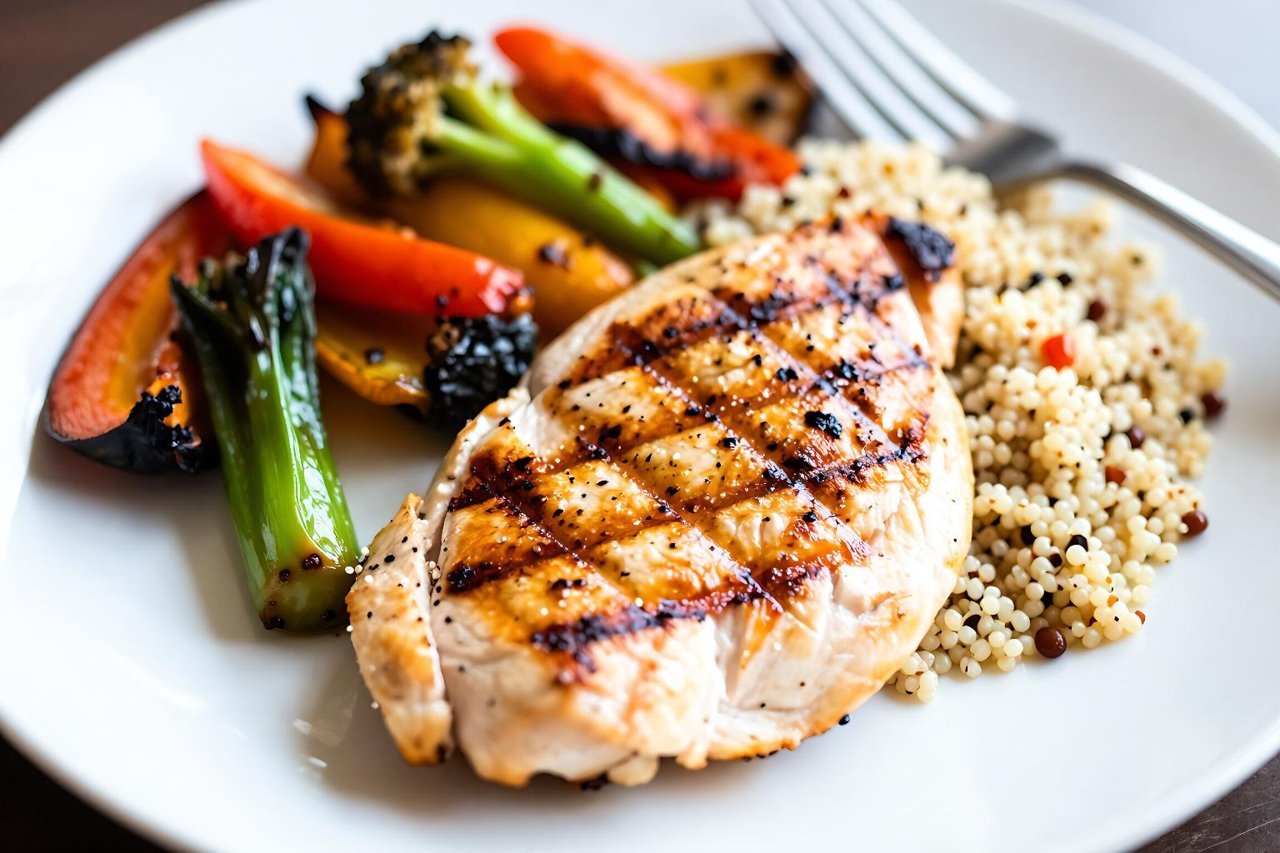
- Chicken breast (31 g protein per 100 g)
- Lean beef (26 g per 100 g)
- Eggs (6 g per large egg)
- Greek yogurt (10 g per 100 g)
- Cottage cheese (11 g per 100 g)
- Lentils (9 g per 100 g cooked)
- Tofu (8 g per 100 g)
- Fish like salmon and tuna (20-25 g per 100 g)
- Protein powders (whey, casein, pea, or hemp) — convenient for shakes.
Don’t forget plant-based options. A cup of cooked quinoa provides 8 grams of protein along with fiber and essential amino acids. Combining legumes with whole grains (like rice and beans) ensures a complete amino acid profile.
Sample Day on a High Protein Diet
Here’s what a typical day might look like for someone eating 120 g of protein (around 1.6 g/kg for a 75 kg person):
- Breakfast: 3 scrambled eggs with spinach and a slice of whole-grain toast (25 g protein)
- Lunch: Grilled chicken salad with mixed greens, cherry tomatoes, cucumber, and a tablespoon of pumpkin seeds (35 g protein)
- Snack: A Greek yogurt parfait with berries and a scoop of whey protein (30 g protein)
- Dinner: Baked salmon with roasted broccoli and quinoa (40 g protein)
- Evening snack (optional): Cottage cheese with sliced almonds (15 g protein)
This menu is flexible—swap in your favorite proteins and veggies. For a quick and delicious breakfast option, try this Broccoli Cheddar Egg Bake, which packs 25 grams of protein per serving.
Potential Side Effects and How to Avoid Them
A high protein diet isn’t risk-free, especially if you’re not careful about food choices and hydration.
Digestive Issues
If you suddenly double your protein intake, you might experience bloating or constipation—especially if you replace fiber-rich carbs with protein. Counter this by including vegetables, fruits, and whole grains in your meals. Lentils, beans, and chia seeds provide both protein and fiber.
Kidney Concerns
For people with healthy kidneys, a high protein intake is safe. However, those with pre-existing kidney disease should restrict protein, as it can worsen kidney function. If you have a family history of kidney issues, consult your doctor before making big changes.
Hydration
Protein metabolism produces urea, which requires water for excretion. Drink plenty of water—aim for at least 2-3 liters daily—to support your kidneys.
Who Should Approach With Caution?
Aside from individuals with chronic kidney disease, those with gout may need to limit purine-rich animal proteins. People with liver conditions should also consult a physician. Pregnant and breastfeeding women need increased protein but should follow medical guidance.
How High Protein Fits Into Other Diet Patterns
A high protein approach works well with many popular eating styles. It naturally aligns with a low carb diet, as many protein-rich foods are low in carbs. For those following a keto diet, moderate protein (around 15-20% of calories) is key to maintaining ketosis—too much protein can kick you out. Meanwhile, the Mediterranean diet emphasizes fish, legumes, and lean poultry, making it easy to hit higher protein targets without red meat overload.
If your goal is sustainable weight loss, a high protein diet can be a powerful tool, but it’s not the only piece of the puzzle. For a comprehensive approach, check out The Only Weight Loss Diet Guide You’ll Ever Need, which combines protein timing, portion control, and behavioral strategies.
Ultimately, a high protein diet is more about quality than quantity. Prioritize lean meats, eggs, dairy, legumes, and plant proteins. Spread your intake evenly across meals—aim for 25-40 grams per meal—to maximize muscle protein synthesis. Stay hydrated, eat your vegetables, and listen to your body. With a balanced approach, protein becomes your ally, not an obsession.


