
Table of Contents
You scroll through a beauty feed and see two opposing tips: apply snail mucin for glass skin, and use a $9 bottle of rosehip oil. Another post insists sunscreen is the only anti-aging essential, while a friend swears by her monthly LED mask. Who is right?
The honest answer: they all are, for different people. After years of testing, I’ve found that most beauty tips fall into three distinct approaches: a pared-down routine that prioritizes consistency, a natural DIY-centered practice that avoids synthetic ingredients, and a results-driven clinical approach that relies on active ingredients and technology. Each has its own trade-offs, and a good routine often borrows from more than one.
Here’s a practical comparison to help you pick your lane or combine them.
The Streamlined “Less Is More” Path
This is the routine your French grandmother might recommend: cleanse, moisturizer, sunscreen, prescription skincare if needed, and minimal makeup. The emphasis is on consistency and skin barrier health rather than layering dozens of products. The beauty tips here are simple: double-cleanse at night, wear SPF daily, and don’t touch your face.

Pros: It saves time, money, and reduces the risk of irritating your skin. You learn quickly what your skin actually needs because you’re not changing 10 variables at once. The whole routine can be done in under five minutes in the morning and less than 10 at night.
Cons: It can feel uninspired, especially if you enjoy the ritual of skincare. Some people find it too pared down to address reactive breakouts, hyperpigmentation, or fine lines without adding targeted treatments.
If you love the idea of getting ready quickly and still looking polished, the step-by-step 15-minute beauty routine on this site shows how a streamlined makeup and skincare flow can walk you from zero to put-together without an oversized cabinet.
When the minimalist approach works best
It is ideal for busy parents, people with extremely sensitive skin, or anyone starting from scratch. If you’re tired of a seven-step routine from your college years, this is your reset button. Just remember that even minimalism has a baseline: trusted cleanser, moisturizer, sunscreen, and a targeted treatment when you have a concern.
The Natural and DIY Path
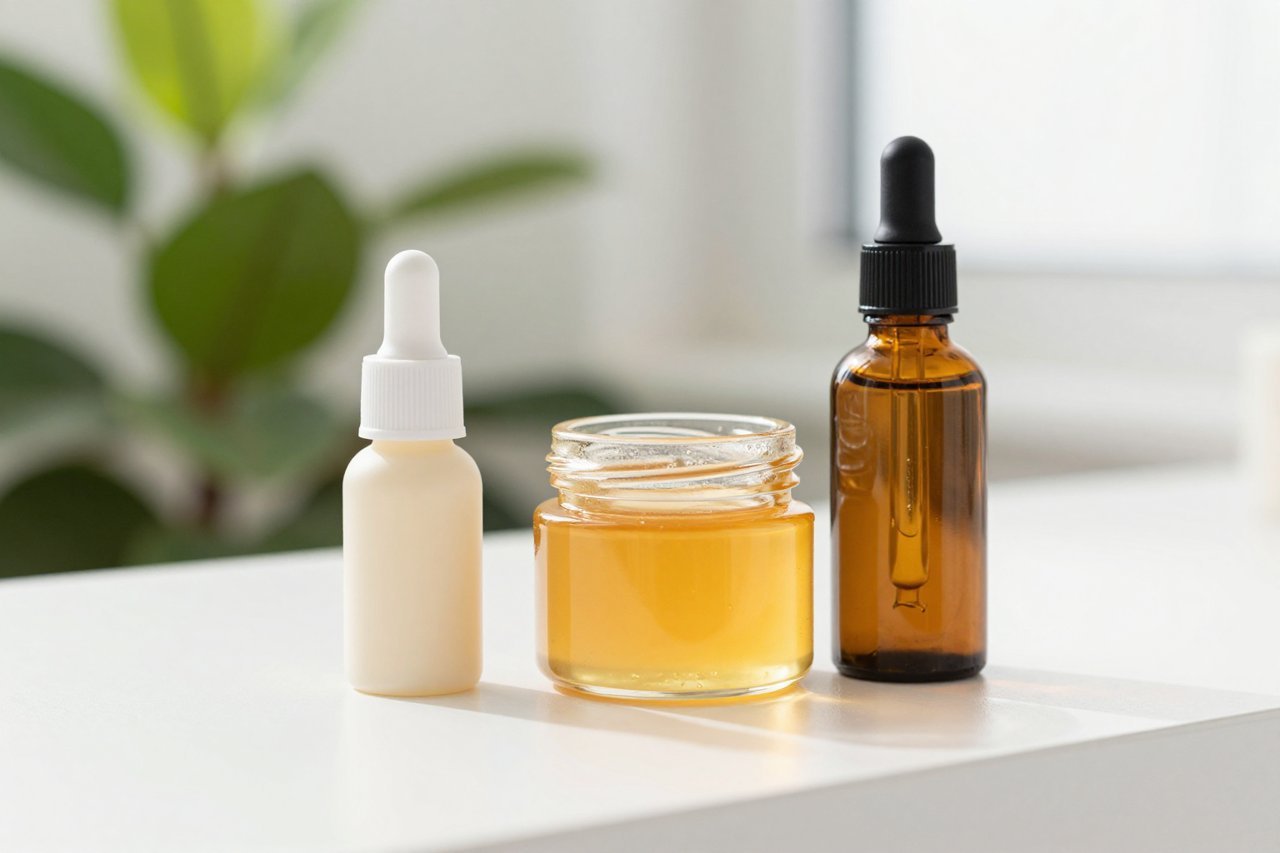
This approach looks at beauty as an extension of health, pulling from plant oils, kitchen ingredients, and clean formulas. Rather than a single method, it spans concepts like oil pulling, honey masks, and choosing unscented, non-toxic products. The key difference: you’re usually taking control of ingredients and often testing them yourself at home.
Pros: You know exactly what goes on your face, and many natural staples are shockingly affordable. Jojoba oil costs about 12 cents per application, a raw honey mask might set you back 30 cents, and you don’t need a cosmetic chemist to understand the label. Some methods have real science behind them, like using colloidal oatmeal for eczema or sunflower seed oil for barrier repair.
Cons: There’s a steep learning curve and plenty of misinformation. DIY doesn’t mean effective: lemon juice can irritate, baking soda destroys your acid mantle, and essential oils can cause allergic reactions. Natural ingredients also have shorter shelf lives and lower concentrations of active peptides or vitamins than lab-formulated products.
The trade-off between DIY recipes, buying clean products, and relying on lifestyle habits deserves more nuance than a single paragraph, and our dedicated comparison of natural beauty tips compared by method breaks down which deliver real results and which are overhyped.
The natural path that actually protects your body
One value of this approach is the attitude of working with your body, not forcing it into an impossible standard. If you want a biology-respecting guide to choosing plant-based ingredients and building a routine that aligns with your skin type, check out beauty tips that work with your body, not against it. That article offers practical ways to cut irritants without turning you into a kitchen-sink chemist overnight.
The Clinical, High-Performance Path
This is the world of dermatologist-recommended actives: retinoids, vitamin C, alpha-hydroxy acids, niacinamide, and prescription-online options like tretinoin or azelaic acid. It also includes occasional professional touches like chemical peels, microneedling, or laser treatments.
Pros: The results are usually measurable. A 0.1% retinol used consistently can improve fine lines and skin tone within months. Salicylic acid treats blackheads in a way that a clay mask can’t always match. And clinical sunscreens with modern UV filters offer broad-spectrum protection that feels invisible.
Cons: Cost, irritation, purging, and the risk of over-exfoliating are real. In-clinic treatments can set you back hundreds of dollars per session, and at-home peels can leave you red for days if misused. It’s also possible to buy products with active ingredients but no education about building tolerance. A 30ml bottle of 0.2% retinol might cost $15, but a single laser session often exceeds $300, so long-term budgets vary wildly.
Here, the most useful beauty tips involve introducing one active at a time, using SPF religiously, and giving a product eight to twelve weeks before assessing. If you want a no-nonsense, science-backed starting point that doesn’t assume you’re a skincare chemist, the realistic guide to beauty tips that actually work walks you through evidence-based choices without gadget-like presentations.
Which Trade-Offs Should You Accept?
For many readers, the decision isn’t about which philosophy is best — it’s about where you are in life. Your time, budget, tolerance for experimentation, and skin sensitivity determine what works.
Here are the trade-offs, laid out honestly:
- Waking up early: The minimalist path wins every morning. The clinical path loses if you wait too long to start because many actives require gradual introduction.
- Budget: Natural DIY is cheapest per application, but clinical skincare offers the highest chance of visible change per percent of active ingredient.
- Skin sensitivity: Natural and minimalist routines typically cause fewer reactions. Clinical products can be adjusted but need beginner instructions.
- Need for quick results: For a wedding or event, you may want makeup skills plus a temporary routine, not a slow-burn natural plan. For those moments, knowing how to prep your skin and select long-wearing formulas matters more than testing ten different serums.
- Long-term maintenance: Daily SPF and a simple retinoid are the only interventions backed by decades of data. Everything else is optional.
The last bullet point deserves attention. No matter which camp you fall into, daily photoprotection, enough sleep, and moisturizer for your skin type do more than any single serum. This is the one uniting tip across every tradition of beauty. For the rest, you can borrow freely.
Mixing Approaches Into a Custom Routine
Most people end up in a hybrid zone, and that’s exactly what you should aim for when you have a history of product failures or simply want to feel less overwhelmed. Here’s an example of how the three paths can coexist without flattening each other’s benefits:
- Morning: Wash with a mild gel cleanser, apply a basic vitamin C serum (clinical), then a lightweight moisturizer with SPF (minimalist).
- Night: Double-cleanse if you wore makeup, apply a pea-sized amount of adapalene or retinal every other night (clinical), and seal with a simple barrier cream.
- Once a week: Use a raw honey mask for a natural pick-me-up; do this on nights when you skip the active.
This works because each product has a distinct role and won’t sabotage another ingredient. The holy grail of beauty tips is not owning hundreds of products. It’s intentional shopping, consistent sleep, and the confidence to skip anything that doesn’t work for you.
If you connect with the natural side after all, consider reading our detailed guide on step-by-step natural beauty tips that deliver real results to invite plant-based steps into your life. If you connect with the streamlined path, start with the 15-minute routine I mentioned first. And if clinical skincare is your game, remember that patience is a bigger active ingredient than anything you buy.
That’s the beauty of beauty: you can switch paths as your skin changes with the seasons, your hormones, and your budget. The only truly wrong choice is staying stuck in a routine that isn’t serving you.


