
Table of Contents
For every friend who swears by a turmeric-and-yogurt mask, there is another who will only touch a serum with a scientific-sounding dropper. And then there is the co-worker who drinks bone broth, sleeps for nine hours, and laughs when you mention moisturiser. Natural beauty tips circulate with wonderful intentions, but they rarely admit that they belong to different worlds. Each of those worlds asks for a different commitment of time, money, and patience. If you are starting out or switching camps, it pays to examine the trade-offs first.
Inside ‘Natural Beauty’, There Are Three Camps
The natural beauty space tends to divide into three approaches. Homemade remedies rely on ingredients in your kitchen. Clean beauty products use plant-derived names and recyclable packaging. The lifestyle camp argues that skin quality is mostly a result of sleep, food, stress, circulation, and gut health, with topical rituals playing a supporting role at best. None of these approaches is objectively superior. Each one has real advantages and distinct drawbacks, and knowing them matters more than picking the trendiest hashtag.
DIY Masks and Scrubs: Control You Can Smell
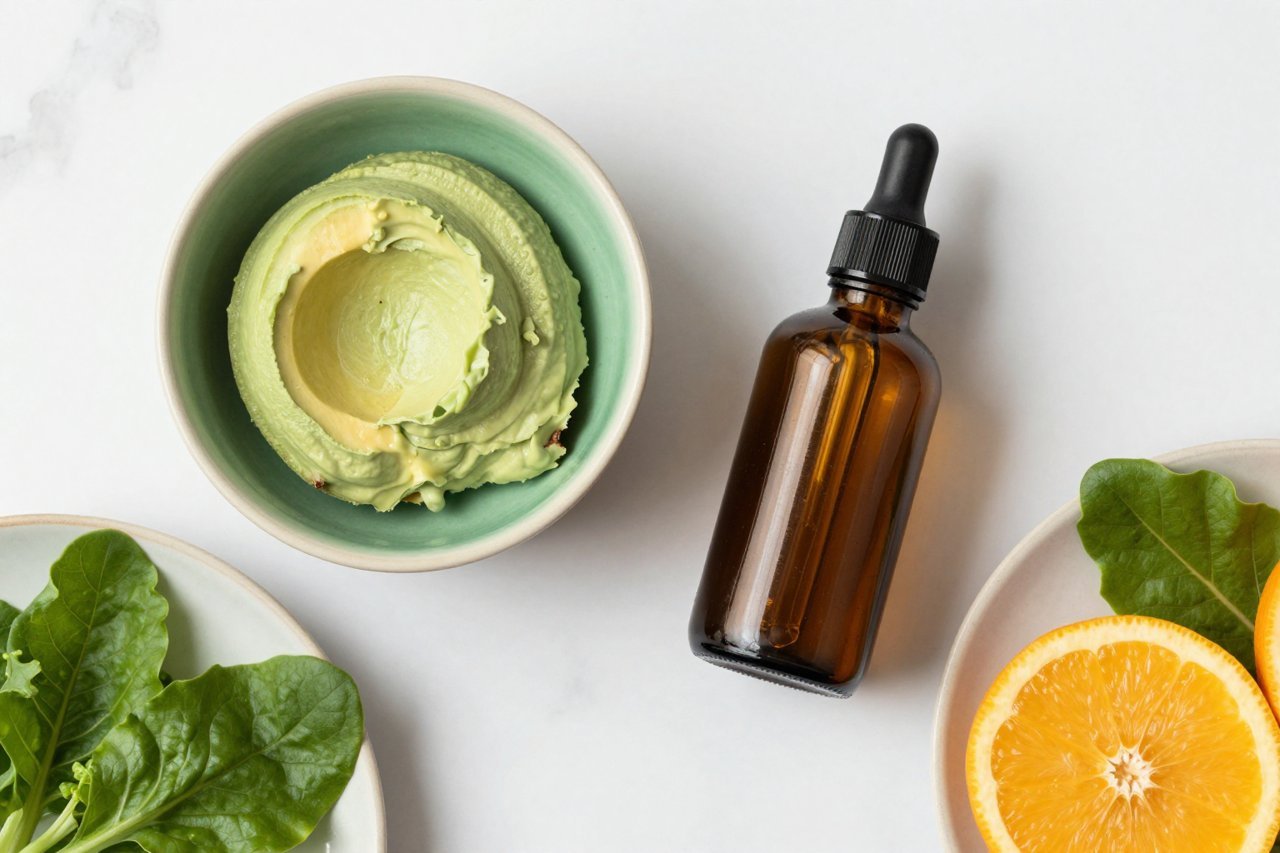
DIY usually costs the least and makes you feel most in charge. A mashed avocado has not been marked up by a marketing team, and a splash of olive oil costs pennies. You choose every ingredient and you can adjust the recipe each time. That freedom offers freshness that isn’t possible in a tube. The vitamin C in a fresh berry mask hasn’t lost its potency on a warehouse shelf.
But convenience has a counterweight. Your kitchen is not a lab, and any mix that contains water can spoil quickly. Most homemade products should be used within a few hours, which is a problem if you hate washing three bowls before bed. Consistency is also unpredictable. One batch of sugar scrub can be gentle, while the next, made with coarser sugar or a substitution, can scratch your skin. Some popular ‘natural’ ingredients commit quiet crimes: lemon juice and baking soda both disrupt the acid mantle and cause irritation on sensitive skin.

Here is the honest balance sheet:
- Pros: low cost, fresh ingredients, total ingredient transparency, adaptable sizes
- Cons: time preparation, short shelf life, inconsistent results, possible contamination or irritation
- Best for: simple, resilient skin and people who enjoy the ritual of mixing
That is why guides to homemade beauty often warn you not to attempt everything at once. If you want a structure around your experiments, a solid step-by-step natural routine shows you where a kitchen mask can fit without crowding out the essentials.
Clean Beauty Products: Nature with Quality Control
At the other end are products that call themselves clean, natural, green, or botanical. The appeal is obvious. You open a jar to a stable, glossy texture, a reliable preservative system, and an effect you can reproduce every morning. No mixing, no guessing. You can also find specific active ingredients at known percentages, such as willow bark salicylic acid or vitamin B3, something DIY cannot reliably supply.
The catch is language. In most countries the word ‘natural’ on a label is not legally defined. A bottle can display a plant on its front and contain a tiny extract from that plant at the bottom of a synthetic formula. Conversely, some synthetic compounds are gentle and perfectly safe, while botanical oils such as lavender or citrus can sensitise skin over time. Greenwashing is not rare, and price is not a reliable indicator of purity or safety.
- Pros: consistent formula, long shelf life, no prep time, higher doses of active ingredients possible
- Cons: higher cost, unregulated marketing, potential allergens or irritants from essential oils
- Best for: busy schedules and people who value reproducibility over novelty
If your goal reaches beyond maintaining skin, consider the bigger arena. A practical map of natural anti-aging remedies compared can reveal whether a topical serum deserves your money or whether supplements and daily habits deserve more.
Lifestyle-First: Beauty as a Side Effect
The third and most patient approach insists that skin is an organ of the whole body. It receives nutrients through the bloodstream, not from absorbent pores alone, so sleep, food, stress, movement, and gut health shape how you look. That reasoning sits well with biology. But lifestyle changes work on a different schedule. A cream changes surface texture in days; a dietary change takes at least one skin cycle, often 28 to 45 days, before visible results appear. If you are not ready to wait through that gap, you will probably give up on the lifestyle approach long before it delivers.
There is also true inconvenience. Becoming natural from the inside out usually means reducing alcohol, shifting meals, and taking sleep seriously. Shift workers and caregivers can struggle to apply these rules rigidly. Once you manage it, however, the effects are broad, touching not just your face but also your energy and digestion.
- Pros: targets root causes, benefits the entire body, creates no top-layer dependence, more sustainable long-term
- Cons: slower visible change, harder to isolate what helps, requires daily discipline for weeks
- Best for: minimalists, anyone already planning to change diet or sleep, and those tired of product churn
The few strategies that provide natural beauty tips that work with your body, not against it tend to combine lifestyle changes with gentle topical care instead of demanding you choose one territory.
How to Choose the Natural Beauty Route That Fits
Start with your real constraints. If you have almost no cash but many spare minutes, DIY is the gateway. If your mornings are compressed into ten minutes, clean beauty products are the ones you will actually use. And if a rushed routine leaves you no time to think, a step-by-step routine to look polished in 15 minutes can organise products into a repeatable order.
The best natural beauty tips can come from any of these camps, and you are not required to stay loyal to one. Many people combine a DIY exfoliating mask once a week, a clean beauty cleanser and SPF on weekdays, and a loose commitment to more vegetables and a slightly earlier bedtime. What matters is that you choose items and habits you can maintain for the next three months. An expensive jar you never open is a poorer choice than the most unglamorous paste you will actually apply. Test one change at a time, measure how your skin behaves, and then adjust. Natural beauty is not a law; it is an ongoing experiment with your own body.


