
Table of Contents
A family dog can be the best part of childhood: the tail that wags when you walk in, the companion for backyard adventures, the reason your kid finally learns to put toys away (sometimes). But the wrong match can make everyone miserable, dog included. The best dog breeds for families are not simply the ones with cute faces. They are the ones whose size, energy, temperament, and grooming needs line up with your actual daily life.
Below are breeds that consistently do well in homes with kids, plus the honest trade-offs you should know before you bring one home.
What Makes a Dog Good with Kids?
Breed is a starting point, not a guarantee. A golden retriever from a nervous line can still be skittish; a pit bull raised with toddlers can be deeply patient. But certain traits show up again and again in breeds that thrive with children.
- Tolerance: A family dog needs to handle clumsy petting, occasional tail pulls, and loud noises without snapping.
- Biddability: Breeds that want to please are easier to train, which matters when kids are learning to give commands.
- Energy match: A border collie in a sedentary home is a recipe for chewed furniture. A bulldog in a marathon family is just as unhappy.
- Size and strength: A 120-pound dog can accidentally knock over a toddler. A 5-pound dog can be injured by a well-meaning hug.
- Upkeep: Shedding, drool, grooming bills, and vet costs vary wildly. Ignoring that is how dogs end up rehomed.
If you want a broader starting point, this guide to the top kid-friendly dog breeds covers several of the same names from a different angle.

Best Dog Breeds for Families
Labrador Retriever
Labs top nearly every family-dog list for good reason. They are sturdy enough for rough play, eager to please, and generally patient with children. A healthy lab weighs 55-80 pounds and needs real exercise: think 60 minutes of walking, fetching, or swimming daily. They shed year-round and love food, so watch for obesity. If you want a dog that will happily join bike rides and backyard soccer, a lab is hard to beat.
Golden Retriever
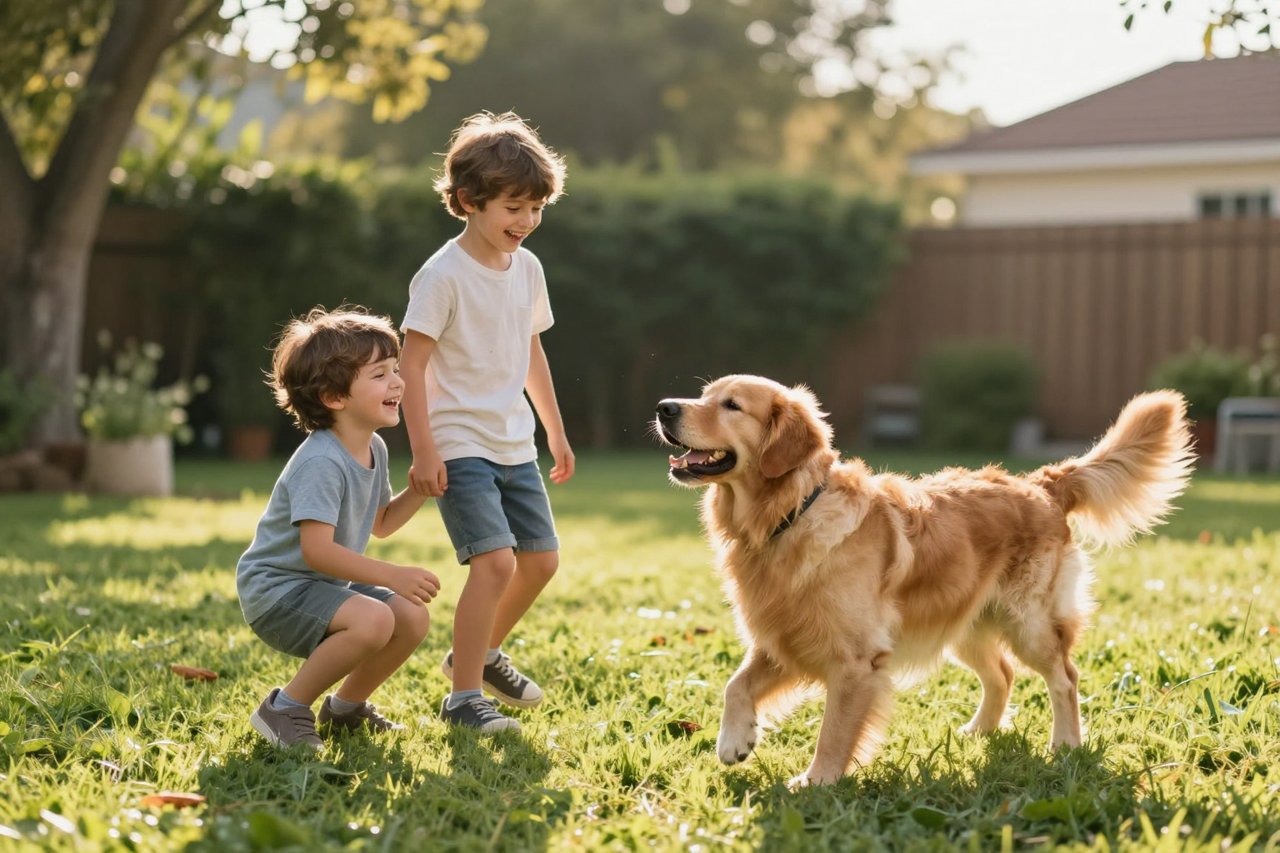
Goldens are the classic family companion: gentle, trainable, and almost absurdly tolerant. They are also prone to cancer and hip issues, so buying from a breeder who tests hips, elbows, and eyes matters. Expect daily brushing during shedding season and a dog that wants to be wherever the family is. Goldens rarely meet a stranger they do not like, which makes them poor watchdogs but excellent playmates.
Beagle
Beagles are small enough to live comfortably in apartments but sturdy enough for kids. They weigh 20-30 pounds and have a merry, nose-driven personality. The catch: beagles follow their nose, so a secure fence and leash are non-negotiable. They also bay and howl, which some neighborhoods tolerate better than others. Train with food and keep sessions short; beagles get bored fast.
Poodle
Poodles come in standard, miniature, and toy sizes, so families can pick the one that fits their space. They are smart, hypoallergenic-ish (no dog is truly allergen-free), and often great with kids when socialized early. Standard poodles need mental work as much as physical exercise; a puzzle toy can save your sofa. Miniatures weigh 10-15 pounds and can be fragile with toddlers, so supervise.
Boxer
Boxers are playful, protective, and full of beans. They weigh 60-70 pounds and do best with kids who are old enough to handle a bouncy dog without being knocked over. Boxers are patient but not pushovers, and they need consistent training. They are also prone to heart conditions, so ask about cardiac screening. A bored boxer will invent games, usually involving your shoes.
Newfoundland
Newfoundlands are giant, calm, and famously good with children. A full-grown male can weigh 130-150 pounds, so early obedience training is essential: you cannot physically restrain a dog that size. They drool, shed heavily, and have a short lifespan of 8-10 years. In return, you get a patient, watchful companion that seems to understand kids need extra gentleness. For more on giant breeds, see this roundup of the biggest dog breeds in the world.
Cavalier King Charles Spaniel
These 13-18 pound spaniels are affectionate lap dogs that adapt well to smaller homes. They are generally sweet with kids and other pets, and they do not need hours of running. The trade-off is health: cavaliers are prone to mitral valve disease and syringomyelia. Pet insurance is worth considering early. They are also not the best choice for a family that wants a rough-and-tumble outdoor dog.
Collie
Rough and smooth collies are smart, loyal, and gentle with children, thanks in part to Lassie. They weigh 50-65 pounds and need daily exercise plus mental stimulation. Collies can be vocal and may herd kids by nudging or nipping, so teach children to stand still and redirect the dog to a toy. With training, they make devoted family dogs that will alert you to every passing squirrel.
Bernese Mountain Dog
Bernese mountain dogs are calm, affectionate, and strikingly handsome. They weigh 70-115 pounds and love cold weather and family time. They shed heavily and have a heartbreakingly short lifespan of 7-9 years, with cancer being a major concern. If you can handle the grooming and the eventual grief, they are wonderful with kids who respect their space.
Mixed-Breed Rescue
Some of the best family dogs are the ones without a breed label. A foster-based rescue can tell you how a dog behaves in a home: whether they are house-trained, good with kids, and comfortable being handled. Ask about the dog’s history with children, not just whether they are good with other dogs. A calm adult mixed breed often skips the puppy chaos that overwhelms families with toddlers.
How to Choose the Right Dog for Your Family
Before you fall for a breed, run through these practical filters.
Age of your children
Toddlers and puppies are a tough combo. A puppy nips, jumps, and has sharp baby teeth. A 2-year-old cannot understand ‘gentle.’ Many trainers recommend waiting until kids are 5 or 6 before adding a puppy, or adopting an adult dog that has lived with children.
Your daily energy
Be honest. A 30-minute walk around the block is not enough for a Labrador or a border collie. If your family prefers movie nights, look at calm dog breeds for a stress-free home instead.
Space and size
Apartment families can do great with a poodle, beagle, or cavalier. A Newfoundland in a third-floor walk-up is unfair to everyone. If you want a small dog, this guide to the best small dog breeds can help you compare temperaments.
Budget
Food, vet visits, vaccines, grooming, training, boarding, and insurance add up fast. A large dog can eat $80-$120 of food per month. Emergency surgery can cost $3,000-$8,000. If that number makes you queasy, read this advice on finding inexpensive dog insurance without sacrificing care.
Training and Socialization Tips for a Family Dog
Even the best dog breeds for families need guidance. Start before the dog comes home.
- Enroll in puppy classes: By 16 weeks, puppies should experience different people, sounds, and surfaces. A good class also teaches kids how to behave around dogs.
- Teach kids dog body language: A tucked tail, whale eye, and stiff body mean ‘give me space.’ Never let a child hug a dog around the neck or corner them.
- Practice gentle handling: Touch ears, paws, and mouth during calm moments, and pair it with treats. This makes vet visits and nail trims easier.
- Use gates and crates: A crate is not a punishment. It is a safe retreat where the dog can escape a noisy living room.
- Supervise, always: Even a trustworthy dog and a gentle child should not be left alone together. It takes seconds for a misunderstanding to become a bite.
Matching the Dog to Your Family, Not the Other Way Around
The best dog breeds for families are the ones that fit your real life, not the life you wish you had. A golden retriever is a fantastic choice if you have a yard and time for daily walks. A Cavalier King Charles Spaniel is better if you live in an apartment and want a lap dog. A mixed-breed adult from a foster home might be the easiest integration of all because you already know their personality.
Take your time. Meet the dog more than once. Bring the kids if the shelter allows it. Ask about health testing, temperament, and return policies. The right dog will not just tolerate your family; they will become part of it, muddy paws and all.


