
Table of Contents
Fifteen years is a long time. It’s a child from reception to GCSEs, a decade and a half of December mornings, roughly 5,500 walks in the rain. It is also the realistic lifespan of a surprising number of small dog breeds, several of which sail past 16 without much drama.
The average dog manages somewhere between 10 and 13 years. A Great Dane often doesn’t see eight. So which breeds beat the odds, and what separates them from the rest of the pack? Some of it is size, some is breeding history, and a small but real portion is the boring stuff you do every day.
Why Some Dogs Get More Birthdays Than Others
Body size is the single strongest predictor of how long a dog lives. A large-scale study of thousands of dogs found that for every couple of kilograms of extra body weight, lifespan dropped by roughly a month. That compounds fast. A 2kg Chihuahua and a 60kg Mastiff are, biologically, running at very different speeds.
The working theory is that fast growth and high metabolic demand put more strain on the body over time. Big dogs age quickly because they were built quickly. Small dogs mature slowly by comparison and stay in that middle gear for longer.

Breeding history matters too. Breeds that were shaped for a specific job over centuries, terriers especially, tend to be physically robust. Breeds that were pushed hard for a look, particularly flat-faced dogs and the heaviest giants, carry more inherited health problems and pay for them in years.
And one underrated factor: medium-sized sighthounds quietly outperform their weight class. A Whippet will often reach 13 or 14, which is remarkable for a dog that can clear a fence at speed. If you want to see that family of breeds at their best, the world of sighthounds and what makes them tick is a good place to start.
The Dog Breeds That Live the Longest
These are the breeds that turn up again and again in veterinary longevity data and breed health surveys. Ranges vary by lines, diet and luck, but none of these figures are fantasy.
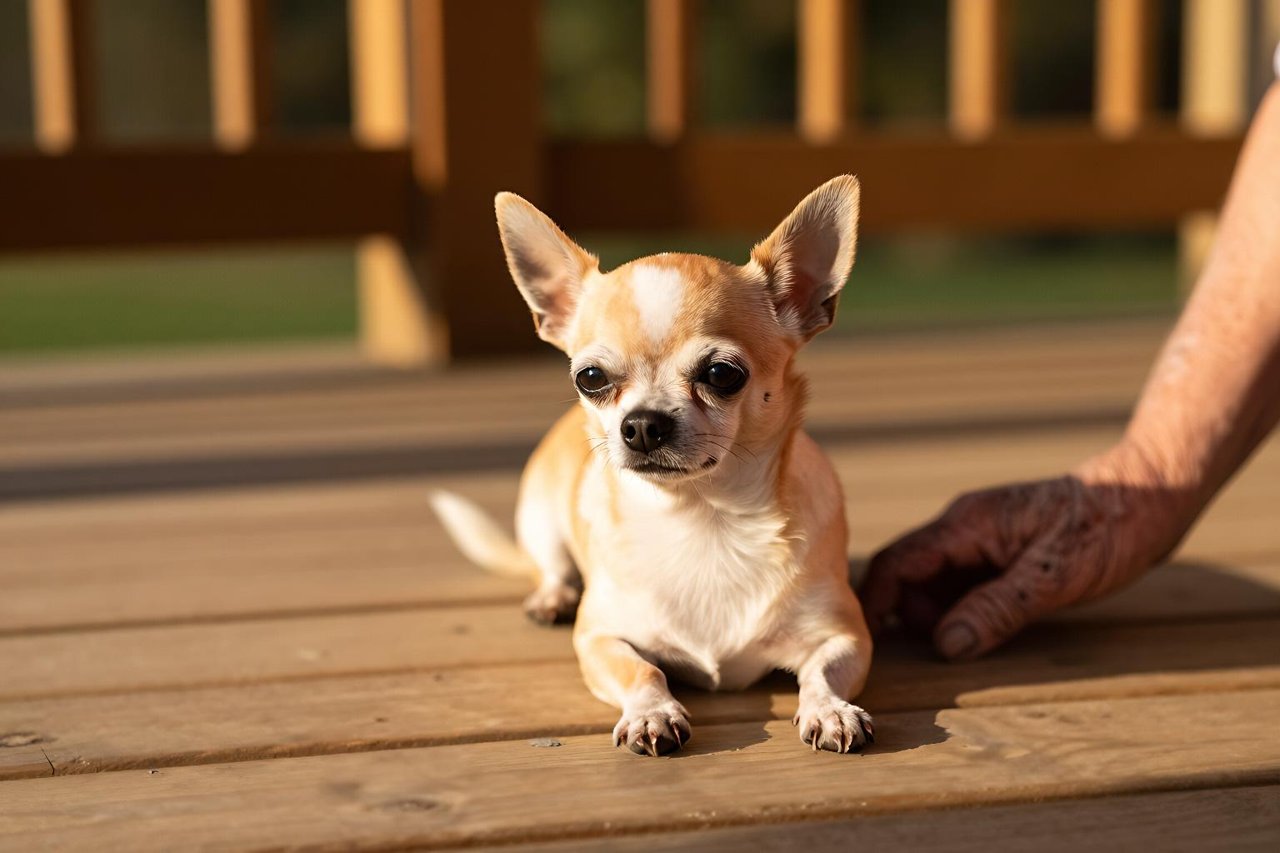
Chihuahua: 14 to 17 years
The smallest breed on the list and frequently the longest-lived. Verified Chihuahuas have reached 20. They are tough, portable and cheap to feed, though dental disease and slipping kneecaps are common. Weighing under 3kg means less wear on the joints, and that shows up in the final third of life.
Toy Poodle: 14 to 18 years
Poodles of all sizes are long-lived, and the toy is the longest of the lot. UK and US breed surveys consistently place them near the top of the table. They are sharp, highly trainable and genuinely need mental work, which may be part of why they age well.
Jack Russell Terrier: 13 to 16 years
Bred to work independently, think on their feet and keep going long after a sensible dog would stop. Owners regularly report 15-year-olds still hunting the garden hedge. The stubbornness that makes them hard to train is the same trait that keeps them spry.
Yorkshire Terrier: 13 to 16 years
A toy breed with terrier wiring underneath. Yorkies are sturdy for their size and often stay playful into double digits, though they need help with dental care and coat maintenance. Keep them slim and they tend to cruise.
Dachshund: 12 to 16 years
Long backs, long lives. The caveat is spinal disease, which is common in the breed and can arrive suddenly. Keeping weight down, limiting stair jumps and using a harness rather than a neck lead makes a measurable difference to how those later years look.
Pomeranian: 12 to 16 years
Small, busy and surprisingly hardy. Poms are prone to dental tartar and tracheal collapse, so early vet checks pay off. A well-managed Pomeranian at 14 is usually still barking at the postman with full commitment.
Shih Tzu: 11 to 16 years
A companion breed through and through, bred for laps rather than labour. Their flat faces mean heat and exercise need managing, and eyes need watching. Given those caveats, plenty reach 15 without incident.
Border Terrier: 12 to 15 years
Often cited as one of the healthiest purebreds in the UK, with few serious inherited conditions. They are small enough to live long, hardy enough to hike with, and calm enough to live in a flat. A quietly excellent choice if longevity is the priority.
Miniature Schnauzer: 12 to 15 years
Robust, alert and famously long-lived for a terrier-type. They carry some risk of pancreatitis and bladder stones, both of which respond well to diet management. Most stay active and interested right to the end.
Lancashire Heeler: 12 to 15 years
Rare, small and built like a tiny cattle dog. They are sturdy, weatherproof and often reach 15 or beyond. Finding one takes patience, but owners tend to get a very long stretch of years for their trouble.
Bluey, and the Outer Limit of Dog Longevity
The Guinness World Record for the oldest dog ever belongs to Bluey, an Australian Cattle Dog from Victoria who died in 1939 at 29 years and 5 months. No verified dog has come close since. Even so, it’s worth putting that in perspective: a 20-year-old dog is genuinely ancient, and that figure is still modest next to the longest-living pets overall, where parrots and tortoises measure life in decades rather than years.
What Actually Adds Years to a Dog’s Life
Breed sets the ceiling. Day-to-day care decides how close to it you get. None of this is exotic, and most of it costs less than a vet bill for a chronic condition.
- Keep them lean. Body condition score 4 or 5 out of 9. Overweight dogs develop arthritis, diabetes and heart strain years earlier. This is the single biggest lever you control.
- Brush the teeth. A few times a week, ideally daily, with dog toothpaste. Periodontal disease is near-universal in small breeds by age five and has links to heart and kidney problems.
- Book the boring appointments. Annual check-ups, and twice a year from age seven with bloodwork. Senior screening catches kidney and thyroid changes while they’re still cheap to manage.
- Feed for the age they are. Puppies, adults and seniors have genuinely different needs. Portion by body condition, not by what’s printed on the bag.
- Use their brain. Sniff walks, puzzle feeders, short training sessions. Mental work slows cognitive decline, and it tires a dog out more effectively than another lap of the block.
Training and enrichment also make the long haul easier on you. A dog that settles, recalls and travels well is a dog you can take everywhere for 15 years. There’s practical guidance on shaping that in these notes on personality, training and everyday health care.
A 15-Year Dog Is an 18-Year Decision
Here’s the part that rarely makes the breed listicles. Choosing a long-lived breed is choosing a long commitment. A puppy at eight weeks will likely still be with you when you change jobs, move house, and possibly watch a child leave for university.
Budget accordingly. Food, insurance, vaccinations, dental work and the inevitable senior-years veterinary costs add up across 15 years, and insurance premiums rise steeply after age eight. Some owners set aside a monthly amount instead. Either way, plan for the whole arc, not the first cute year.
You also need to like the dog you’re getting for the long run. A Jack Russell at 13 is still a Jack Russell. A Pomeranian at 14 still has opinions about the doorbell. Match the temperament to your actual daily life rather than your ideal one, and the years pass more easily for both of you. If you’re still narrowing it down, this breakdown of the most popular dog breeds and which lifestyle each one suits is worth ten minutes before you ring a breeder.
One last thing worth knowing: the final two or three years of a long-lived dog don’t look like the first two. There will be cloudy eyes, slower stairs, more vet visits and a lot of lying in sunbeams. It’s a gentler stretch of the relationship, and it’s the part most long-term owners remember with the most fondness. Worth planning for, and worth the extra years.


