
Table of Contents
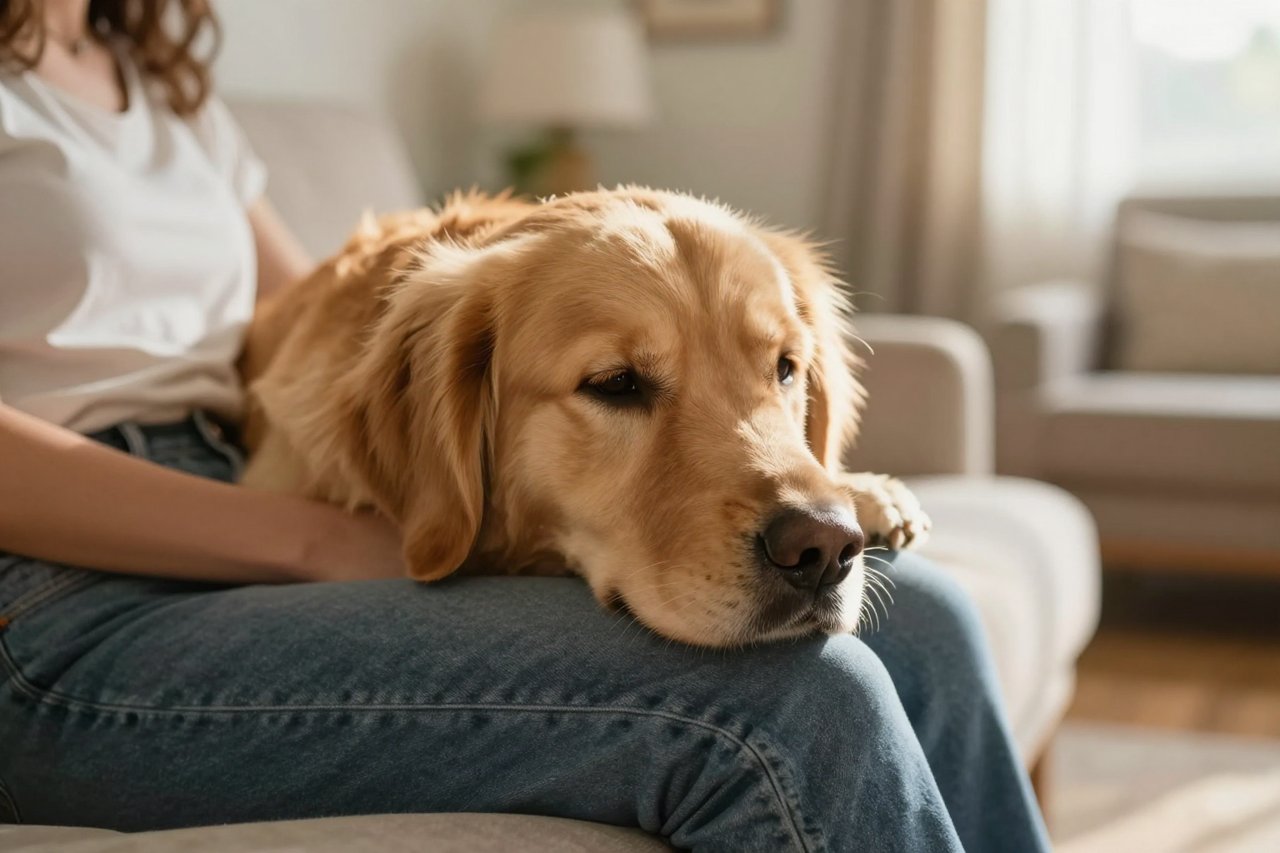
There’s a particular weight to a dog who wants to be near you: a chin resting on your foot while you make coffee, a body pressed against your calf on the stairs, a head that appears under your hand the second you sit down. Some dogs offer that constantly. Others love you fiercely and then go sleep in the hallway. Breed shapes the difference, though it never tells the whole story.
What follows is the list trainers, rescue coordinators and vets tend to agree on, with the honest caveats about what affection can turn into when it isn’t shaped properly.
What “Affectionate” Actually Means in a Dog
In behavioural terms, affection comes down to three observable habits: a low threshold for seeking physical contact, a strong preference for being in the same room as their person, and an eager greeting after even a ten-minute absence. Breeds developed to work shoulder to shoulder with humans, such as retrievers, spaniels and herding dogs, score high on all three because they were bred for cooperation rather than independence.
That’s why a greyhound can adore you and still spend the evening on the far sofa while a Labrador follows you into the bathroom. Neither response measures love. It measures how the breed was built.

The Most Affectionate Dog Breeds
These are the names that come up again and again, from people who have lived with a lot of dogs.
Golden Retriever
Goldens were bred to retrieve shot birds and hand them to a human, a job that requires wanting to be near that human in the first place. They lean. They rest a head on your knee. They greet every guest as though the guest came specifically for them, and they stay affectionate well into old age, which is rarer than people assume.
Labrador Retriever
The Labrador’s affection is physical and uncomplicated: a full-body wag, a nose pushed into your palm, a willingness to be handled anywhere. They’re also famously food-driven, so a Lab draped over you at seven in the evening is occasionally just negotiating for dinner. Most of the time it’s genuine.
Cavalier King Charles Spaniel
Bred for centuries as a lap companion, the Cavalier treats contact as a default state. Owners report being followed room to room, sat on, and watched. They’re small enough to carry and affectionate enough to want carrying. Buy from a breeder who screens for heart and neurological conditions, because the breed’s health record demands it.
Boxer
Boxers love with their whole body. A greeting is a wiggling, kidney-beaning, sometimes airborne event, and afterwards they’ll lean their full weight against your legs. They’re boisterous, so early obedience work pays for itself, but the underlying need to be near you doesn’t fade with age.
Vizsla
Hungarian pointers nicknamed velcro dogs, and deservedly. A Vizsla will sleep touching you if allowed and will sulk visibly when shut out of a room. They need serious daily exercise, 60 to 90 minutes for an adult, or the affection curdles into restless shadowing.
Bichon Frise
Small, sociable and almost absurdly fond of being held. Bichons were bred as companions and rarely show the aloof streak that turns up in some toy breeds. They also shed very little, which makes them a common pick for allergy-prone households; there’s a wider list of dog breeds that genuinely shed less if that’s a deciding factor.
Staffordshire Bull Terrier
Ignore the reputation. Staffies are people-soft, keen to be under a blanket with you, and famously patient with children. They are strong dogs with strong jaws, which is exactly why decent manners training isn’t optional.
Newfoundland
A sixty-kilogram lap dog. Newfoundlands were bred to rescue drowning sailors, and the temperament that requires, calm, patient and deeply attached, is still there. Gentle enough for a toddler to lean on. The drool and the fur are non-negotiable.
Others Worth a Look
- Maltese — kept as a lap dog for two thousand years and still behaves like one.
- Poodle — intensely people-focused and trainable, often overlooked because of the grooming bill.
- Shetland Sheepdog — reserved with strangers, devoted to family, and a persistent room-to-room shadow.
- Great Dane — genuinely affectionate giants; the largest examples belong on any list of the biggest dog breeds in the world.
- English Springer Spaniel — eager, tactile and quick to attach, provided they have a job to do.
Affection or Separation Anxiety? The Line Is Thinner Than You’d Think
Most breed lists skip this part. A dog who follows you everywhere is not automatically a relaxed dog. Real affection is calm: the dog settles when you’re home, can nap in another room, and greets you warmly but recovers within a minute or two.
Anxiety looks different. Pacing at the door, chewing doorframes, barking that starts within five minutes of your leaving, a dog who cannot settle even when you’re only in the next room. That’s distress wearing the costume of devotion. It’s worth working on with a trainer rather than admiring as loyalty.
Loyalty and affection also get used as if they’re the same thing, and they aren’t. Several of the most loyal dog breeds are fiercely bonded without being clingy at all.
Breed Is a Tendency, Not a Guarantee
Two Labradors from the same litter can differ wildly in how tactile they are. Socialisation between three and sixteen weeks shapes a great deal of it, and a puppy raised with gentle handling tends to seek out contact as an adult. Rescue dogs surprise you in both directions, and a cautious dog who takes three months to trust you often ends up the most attached animal you’ve ever owned.
If you’re buying a puppy, ask to meet the mother and watch how she behaves with the breeder. Temperament has a heritable component, and a nervous, hand-shy dam is a warning sign worth taking seriously.
Matching an Affectionate Breed to Your Household
A clingy breed in a home where everyone works twelve-hour days creates frustration on both sides. Affectionate dogs need company, whether that’s a midday dog walker, a second dog or a hybrid work pattern. If there are children in the house, check temperament against the breeds that genuinely thrive with kids, because loving people and tolerating a toddler pulling an ear are two separate traits.
Size matters practically as well. A Newfoundland who wants to sit on your feet is a different proposition from a Cavalier who does. If the big, soft-tempered ones appeal, there’s a solid rundown of large breeds that actually fit family life rather than merely enduring it.
How to Encourage Affection Without Creating a Velcro Dog
You can build closeness and still teach a dog to cope alone. A few things that work:
- Reward calm proximity rather than constant contact. A dog lying at your feet is doing the job; one climbing onto your keyboard isn’t.
- Practise short, boring absences, thirty seconds then two minutes, long before you actually need to leave for six hours.
- Give affection when the dog is settled, not mid-demand. Rewarding a nudge builds a dog who nudges harder.
- Put a bed in the room you use most, so the dog can be near you without being on you.
- Train the basics properly. A dog with solid recall and a reliable settle gets more freedom, more trips and more of your time.
What to Watch in the First Ten Minutes With a Dog
Forget the breed label for a moment and read the animal in front of you. Affectionate dogs tend to show it early, and the signals are consistent across sizes and coat types.
- Soft eye contact. A dog who checks your face repeatedly is monitoring you, not just the room.
- Leaning or pressing. Body weight against your leg is one of the clearest invitations a dog gives.
- Loose, wiggly movement. Stiff and still means wary; loose and curvy means comfortable.
- Recovery speed. A confident dog greets you, then goes back to sniffing. One who never settles after you arrive needs a different conversation.
A dog who chooses your lap over the sofa on day one is telling you something useful. So is one who watches you from across the room and stays there. Both can be wonderful companions; only one of them will be under your feet for the next twelve years.


