
Table of Contents
Most sunscreen advice is written for a beach day: thick stripes on the nose, a bottle in the beach bag, a reminder to reapply after a swim. Real life is less photogenic. You put on moisturizer at 7:40, answer emails near a window, walk to lunch, and forget your ears until you catch your reflection at 4pm.
The top 7 sunscreen tips for everyday use are less about perfection than repetition. Get the basics right, choose a formula you don’t dread, and build a routine that survives meetings, commutes, and the odd cloudy afternoon. Here’s what actually makes a difference.
1. Pick a sunscreen you would wear on a boring day
The best sunscreen is not the one with the highest SPF or the most impressive label. It’s the one you’ll reach for when you’re running late and your skin is already slightly cranky. If a formula leaves a white cast, pills under foundation, or feels like a workout for your face, you’ll find excuses to skip it.
Look for broad-spectrum SPF 30 or higher, then test textures. Gel-creams and fluids suit oily or humid conditions; richer creams work for dry skin; mineral formulas with zinc oxide or titanium dioxide can be gentler on reactive skin. Fragrance-free doesn’t mean boring, and a slightly dewy finish is fine if you set it with a light powder. If you’re simplifying your whole routine, these natural beauty tips that work with your body are a good companion read.

2. Use the quarter-teaspoon rule for your face and neck
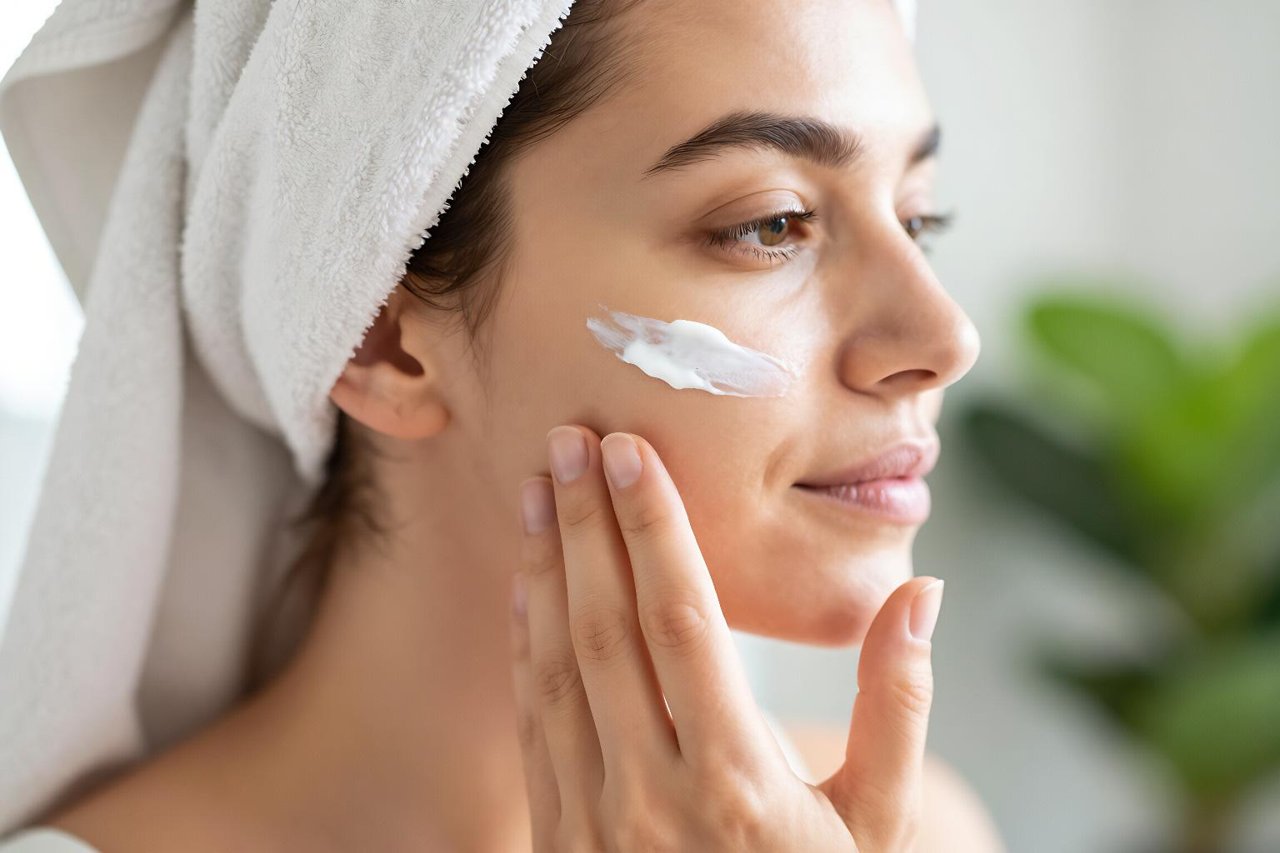
Most people apply about a quarter of the sunscreen they need. That’s not a small error. Thin coverage gives thin protection, and the SPF number on the bottle assumes a generous layer. For your face and neck, aim for roughly a quarter teaspoon, or the two-finger method: squeeze a line of sunscreen along the length of your index and middle fingers.
- Face and neck: about 1/4 teaspoon, or two full finger lengths.
- Ears, hairline, and any exposed scalp: a dab each, worked in properly.
- Body in summer clothes: about a shot glass, roughly 30ml, for full coverage.
- Reapplication: every two hours outdoors, and straight after swimming or heavy sweating.
Don’t forget the sides of your neck and the tops of your ears. They’re common sites for sun damage because they get a quick swipe at best.
3. Make SPF the last step before makeup, then wait a minute
Give sunscreen two or three minutes to settle before foundation. That short pause reduces pilling, especially if your moisturizer is rich or your primer is silicone-heavy. Apply sunscreen in one even layer rather than rubbing it in for ages; excessive friction can make some formulas ball up.
If you’re still working out how products sit together, this makeup tutorial for absolute beginners explains the order without the guesswork. A simple rule: skincare, sunscreen, primer if you use one, then makeup. Pat foundation over the face instead of dragging it, and use a damp sponge around the nose and hairline where sunscreen likes to gather.
If your makeup pills
Try a lighter moisturizer in the morning, skip the silicone primer, and give each layer 60 seconds. Some sunscreens work better under makeup than others; a fluid formula or a dedicated SPF primer-style product is often easier than a heavy cream.
4. Reapply over makeup without starting over
Reapplication is the weak spot in most routines. You don’t need to wash your face at 1pm and rebuild your makeup. An SPF mist, sunscreen powder, or cushion compact can top up protection without disturbing blush. Keep a small brush and a powder SPF in your bag for oily skin, or a hydrating mist for dry skin.
Be honest about the limits. Powders and mists are convenient, but it’s hard to apply enough of them to reach the full SPF on the label. Use them as a bridge between proper applications, not as your only protection on a long outdoor day. For a fast touch-up that still looks polished, this 15-minute fresh face routine is a useful template; just slot the SPF step in before you add color.
5. Don’t trust clouds, windows, or a base tan
Up to 80% of UV rays can pass through cloud cover, and UVA rays go through window glass. That’s why a desk by a sunny window or a daily commute can add up over years. If the UV index is 3 or higher, use sunscreen even when the sky looks flat. Snow, water, and pale pavement bounce rays back at you, so a winter walk or a lunchtime patio seat counts.
A base tan is not a shield. It’s evidence of DNA damage and a sign your skin is trying to defend itself. Sun exposure is one of the everyday habits that may make skin look older, especially when it happens in small, repeated doses. Think of daily SPF as maintenance, not a special-occasion product.
6. Cover the places most people miss
Sunscreen tends to land on the cheeks and nose, then stop. The result is a familiar pattern of freckles, dryness, and fine lines on the edges of the face. Spend an extra 20 seconds on the following:
- Eyelids and the skin just under the brow bone, using a formula that doesn’t sting your eyes.
- Lips, with a balm that has SPF 30 and a broad-spectrum label.
- The hairline, part line, and any thinning areas on the scalp.
- The backs of your hands, especially if you drive with them on the wheel.
- The tops of your feet in sandals, and the back of your neck if your hair is short or tied up.
For eyelids, a mineral stick or a lightweight fluid is often easier than a cream. Keep a lip balm with SPF in your coat pocket and one at your desk, because the one you have to hunt for is the one you won’t use.
7. Keep spares where your routine actually happens
A single bottle in the bathroom cabinet is a fragile system. Keep a small sunscreen in your bag, one at your desk, and one in the car’s glovebox or a cool compartment. Heat can degrade formulas over time, so don’t leave a bottle baking on the dashboard all summer. Check the expiry date and the little open-jar symbol; most sunscreens are good for 12 months after opening.
Pair application with something you already do: after brushing your teeth, before your first coffee, or as the last step before you put on your shoes. If you have a wedding, photos, or a big event coming up, don’t save SPF for the week before. These wedding skincare tips from makeup artist Wendy Rowe make the same point in a different way: consistent care beats a last-minute rescue.
Tonight, put a small SPF in your work bag and a lip balm with SPF in your jacket. Tomorrow morning, measure a quarter teaspoon before you do anything else. That’s the habit.


