
Table of Contents
The best adventure travel destinations don’t always announce themselves with a bungee cord and a waterproof camera. Sometimes the signal is a 5 a.m. trailhead in Patagonia, a gravel road in Iceland with no other cars for 40 minutes, or a tea house in Nepal where the altitude makes your pulse sound like a drum. The places below deliver serious payoff without needing a documentary crew. Match one to your fitness, budget, and tolerance for bad weather, and you’ll come home with a story instead of a suntan.
Patagonia: Wind, Ice, and Trails That Earn Their Views
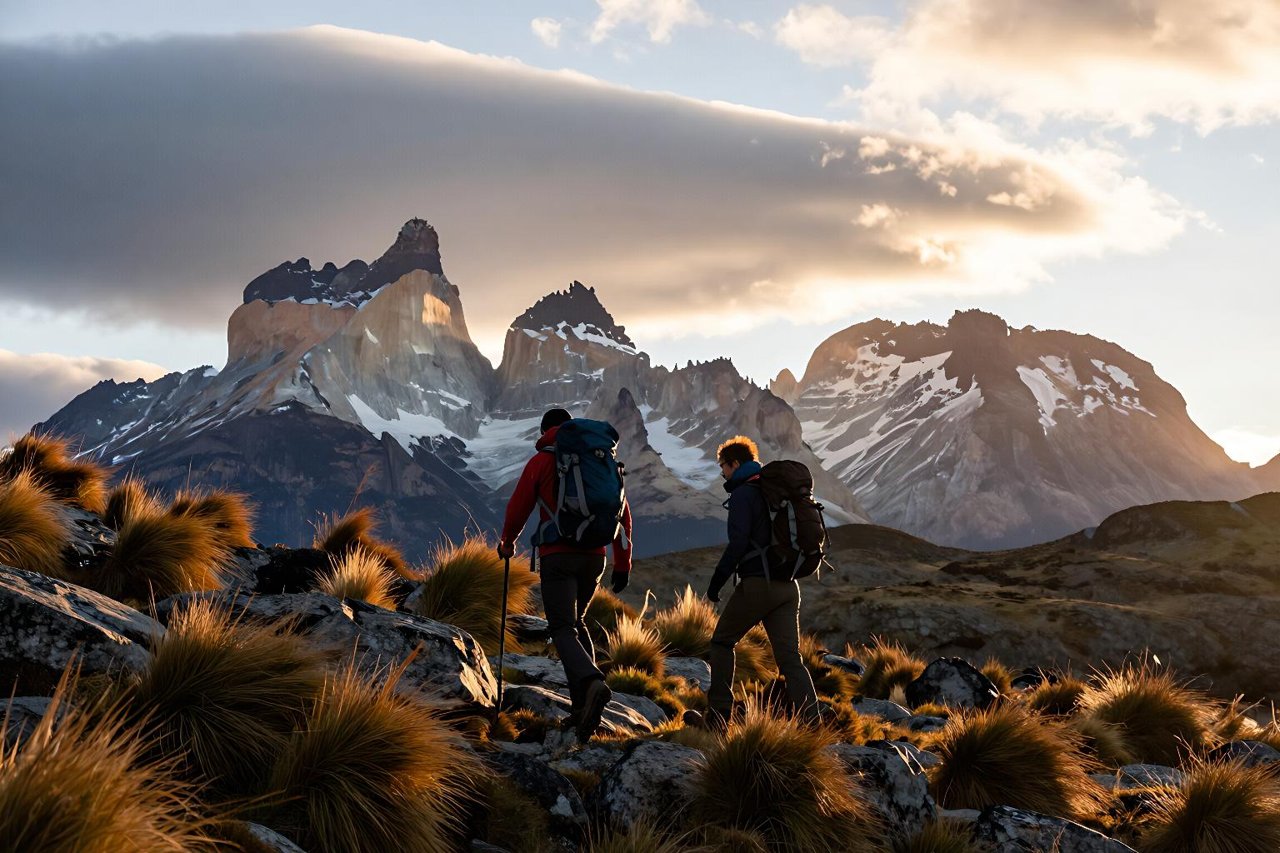
Patagonia is the benchmark for a reason. The W Trek in Torres del Paine takes four to five days, links refugios and campsites, and throws in the Grey Glacier, French Valley, and the granite towers that look fake until you’re standing under them. Camping reservations open months ahead and disappear fast for the November to March window. Bring layers for four seasons in one afternoon. Gusts can hit 100 km/h on exposed ridges.
On the Argentine side, El Chaltén is a scruffier, cheaper base for day hikes. Laguna de los Tres is roughly 20 km round trip with 8 to 10 hours of walking, and the final hour is a steep slog over loose rock. The reward is Fitz Roy at sunrise, assuming the clouds cooperate. They often don’t. That’s part of the deal.
Iceland: Ice Caves, Black Sand, and Weather That Runs the Show
Iceland packs volcano, glacier, and coastline into a country you can drive around in a week, though you’ll want longer. The Laugavegur Trail covers 55 km between Landmannalaugar and Þórsmörk, with hot springs, obsidian fields, and huts that book out early. Winter visitors can join a guided ice cave tour under Vatnajökull; the blue light inside is worth the crampons and the 8 a.m. departure.

Rent a 4×4 if you’re heading into the highlands or chasing the Westfjords. Check road conditions every morning. A sunny forecast in Reykjavík means nothing two hours east, and a “short” drive can turn into a closed mountain pass. Snorkeling between tectonic plates at Silfra is also a real option if you don’t mind 2°C water and a dry suit.
Nepal: The Classic Trekking High
Everest Base Camp remains the bucket-list trek for good reason. The standard route from Lukla takes 12 to 14 days with acclimatization days built in, and the teahouses mean you’re carrying less than you would on a camping trek. October and November bring clear skies and cold nights. March and April are warmer but hazier. Fly into Lukla only if you’re comfortable with small planes and weather delays; some trekkers take a jeep to Salleri instead and walk in.
If the Everest crowds bother you, the Annapurna Circuit offers more variety: pine forest, high passes, and villages that feel less like a trekking conveyor belt. Either way, buy the necessary permits in Kathmandu or Pokhara, and build in a buffer day. Flight cancellations are common, and a rushed itinerary is how people get hurt.
New Zealand’s South Island: Adventure With a Side of Comfort
Queenstown is the adventure capital, with bungee jumps, jet boats, and paragliding launches that look reckless until you see the safety briefings. The real prize is the backcountry. The Routeburn Track is a 32 km, two-to-three-day hike through Fiordland and Mount Aspiring national parks, with huts that need booking months in advance. Franz Josef and Fox glaciers offer heli-hikes when the weather allows. Milford Sound is a long drive from Queenstown, but the early-morning kayak trip beats the midday tour buses.
December to February is peak season, so book campervans and huts early. The upside is long daylight hours and warm-ish weather. The downside is crowds on the Great Walks. Shoulder season in March still works if you pack rain gear and accept that some tours may cancel.
Costa Rica: Rainforest Adrenaline for Mixed Abilities
Costa Rica works well for groups with different comfort levels. One person can raft Class III and IV rapids on the Pacuare River while another takes a chocolate tour near Arenal. Monteverde’s cloud forest has zip lines and hanging bridges. Corcovado National Park on the Osa Peninsula is the wilder option, with guided hikes and a real chance of seeing tapirs and scarlet macaws. Surfers head to Tamarindo or Santa Teresa; beginners can find lessons for around $50.
The dry season runs from December to April on the Pacific side, while the Caribbean coast stays wetter. A rental car makes sense for flexibility, but river crossings and potholes are real. For families, this is one of the easier adventure destinations to manage, though the heat and humidity will test everyone’s patience by mid-afternoon.
Morocco’s Atlas Mountains: Switchbacks, Souks, and Mint Tea
Mount Toubkal is North Africa’s highest peak at 4,167 m, and fit hikers can summit in two days from Imlil with a guide and a night in a mountain refuge. The trail is straightforward in summer, but snow and ice from November to March demand crampons and experience. The reward is a view across the High Atlas that makes the switchbacks worth it.
Outside the peak, the Atlas offers multi-day walks between Berber villages, the Todra Gorge for climbers, and the Draa Valley for cyclists. Spring and autumn are the sweet spots. Summer heat is brutal, and winter can close passes. Pair the mountains with Marrakech, but don’t underestimate the transfer times. A 60 km road can take two hours.
How to Pick the Right Adventure for Your Travel Style
Not every trip needs to be a sufferfest. Your best choice depends on how you like to move, sleep, and recover. A slow traveler might prefer Costa Rica’s lodge-to-lodge rhythm. A peak bagger will be happier in Nepal or Morocco. A comfort-first adventurer can use Queenstown as a base and still get into the mountains. This guide to dream destinations for every traveler breaks down those styles if you’re torn between a few options.
- Fitness: Can you walk 15 km with a daypack and still enjoy dinner? If not, choose shorter hikes or guided tours.
- Budget: Nepal and Morocco stretch further than Iceland or New Zealand, but permits, guides, and gear add up.
- Weather tolerance: Patagonia and Iceland reward flexibility. If a cancelled tour would ruin your trip, go somewhere with more reliable conditions.
- Time: A 12-day trek needs a 14-day window. Weekend adventurers should look closer to home or pick a destination with short transfers.
Plan an Adventure You’ll Actually Finish
The best route is the one you can complete with energy left for a beer and a bad joke. That means honest training, realistic daily distances, and a buffer day for weather or altitude. This guide to planning an adventure trip you’ll actually finish covers the sequencing details that make the difference, from booking permits to leaving room for recovery.
Insurance matters more on adventure trips than on city breaks. Helicopter evacuation in Nepal, a cancelled glacier hike in Iceland, or a stolen camera in Costa Rica can turn a great trip into an expensive one. Read the fine print on altitude limits, activity exclusions, and evacuation coverage. This breakdown of how to choose the best travel insurance helps you avoid paying for cover you’ll never use.
Packing Light Without Packing Stupid
You can do a week in Patagonia with a 40-litre carry-on if you layer properly. Merino base layers, a warm midlayer, a waterproof shell, and two pairs of hiking socks will handle most conditions. Leave the cotton at home. A headlamp, water purification tablets, and a compact first-aid kit earn their space. If you’re flying on small planes in Nepal or New Zealand, check baggage limits before you buy the duffel. This guide to traveling with only a carry-on has a useful packing list that won’t leave you wearing the same shirt five days running.
Book the permit and the flight first, then build the rest around them. Gear can be rented in most gateway towns. Boots should be broken in before you leave, not on the trail. And leave one day unplanned. The best adventure travel destinations tend to throw in a weather delay, a local festival, or a detour you didn’t see coming. That spare day is where the trip usually happens.


