
Table of Contents
Twenty grand goes further than most shoppers assume. At that price you’re not hunting for a beater, you’re looking at three- to six-year-old cars with 40,000 to 70,000 miles on the odometer, backup cameras, Apple CarPlay, and in some cases a chunk of factory warranty still ticking. The catch is knowing which models hold up past 100,000 miles and which ones quietly drain your wallet the moment coverage expires.
Prices shift by region and season, so treat the figures below as realistic starting points. Each one reflects what clean-title, accident-free examples have been selling for lately.
What a $20,000 Budget Actually Covers
The average used listing in the U.S. has been hovering around $25,000 to $26,000, which puts a $20,000 ceiling below market average. That sounds grim until you sort by age. Step back three to six model years and the picture changes fast.
At $20,000 you can reasonably expect:

- Compact sedans and hatchbacks from 2019–2021 with under 65,000 miles
- Mid-size sedans from 2017–2019, usually 50,000 to 85,000 miles
- Compact SUVs from 2016–2019, occasionally as a certified pre-owned car
- Used EVs from 2017–2020 once a $4,000 federal credit is applied
Certified pre-owned is the wildcard. A CPO car runs $1,000 to $1,500 more than the same model sold privately, but it usually adds a 12-month bumper-to-bumper warranty and a fresh multi-point inspection. On a vehicle with 60,000 miles, that’s often money well spent.
Seven Used Cars Worth Shortlisting
2019–2021 Honda Civic: $17,000–$20,000
The tenth-generation Civic pairs sharp steering with a back seat that swallows two adults comfortably. Stick with the 2.0-liter naturally aspirated engine in LX and Sport trims. It’s down on power compared with the 1.5-liter turbo, but it dodges turbo maintenance and direct-injection carbon buildup, and it runs happily on regular fuel. Expect about 32 mpg combined. You also avoid the fussy touch-sensitive volume slider that annoyed everyone on higher trims.
2020–2021 Toyota Corolla: $16,500–$19,500
The 2020 redesign made Toyota Safety Sense 2.0 standard across every trim, which means automatic emergency braking, lane keeping, and adaptive cruise even on the base LE. That’s a serious safety package at this price point. The 1.8-liter four is slow but nearly indestructible; the 2.0-liter in the SE is worth the extra $1,000 if you do a lot of highway merging. Hybrid sedans occasionally dip under $20,000 with higher mileage and return around 50 mpg.
2019–2021 Mazda3: $15,500–$19,000
Nothing else in this price range feels this good inside. The fourth-generation car arrived for 2019 with a 186-horsepower 2.5-liter and optional all-wheel drive. The ride is firmer than a Corolla’s and the rear seat is tight for adults, but the steering and six-speed automatic make errands genuinely enjoyable. The sedan is the value pick; hatches hold their value better and typically cost $1,500 more.
2018–2019 Toyota Camry: $16,000–$19,000
If you drive 15,000 miles a year, this is the one. The eighth-generation Camry arrived for 2018 with a 2.5-liter four rated at 32 to 34 mpg and a cabin quiet enough for conference calls. LE and SE trims cover nearly every need. The V6 is tempting but pushes you over budget and drinks more fuel than the four-cylinder warrants.
2020–2021 Hyundai Elantra: $14,500–$17,500
Best value per dollar on this list. A 2020 SEL with 40,000 miles runs about $15,000, which leaves $3,000 for an extended warranty, tires, and a brake job. The 2.0-liter Atkinson engine is unremarkable but smooth, and the CVT behaves itself in traffic. One detail buyers miss: Hyundai’s 10-year/100,000-mile powertrain warranty covers the original owner only. As a second owner you get 5 years/60,000 miles from the original sale date.
2017–2019 Honda CR-V: $16,500–$20,000
Cargo space is the headline. The CR-V offers roughly 39 cubic feet behind the rear seats, more than most rivals in its class. The 1.5-liter turbo makes 190 horsepower and returns about 28 mpg combined. Two things to know before you buy: 2017 and 2018 models had an oil dilution complaint in cold climates that Honda addressed with a software update, and the CVT wants a fluid change every 30,000 to 40,000 miles if you tow or spend weekends in the mountains.
2017–2019 Subaru Outback: $16,500–$19,500
Standard all-wheel drive, 8.7 inches of ground clearance, and a wagon body that fits a dog crate and a week of camping gear at the same time. The 2.5-liter flat-four is adequate rather than quick. Check the service records for CVT fluid changes and look closely at the head gaskets on anything past 100,000 miles.
A few more that deserve a look if the shortlist doesn’t fit:
- 2019–2020 Kia Forte ($13,500–$16,500): same bones as the Elantra, often cheaper
- 2018–2019 Toyota RAV4 ($18,000–$21,000): frequently just over the line, worth stretching for
- 2016–2018 Ford F-150 ($18,000–$22,000): high miles, but the aluminum body resists rust
- 2020–2021 Nissan Sentra ($14,000–$16,500): dramatically better than the previous generation
What to Inspect Before You Hand Over a Deposit
Run a vehicle history report, then treat it as a starting point rather than proof. Plenty of minor collisions never get reported, so the paper trail only tells half the story. The better move is spending $150 to $250 on a mobile mechanic who will put the car on ramps and check it properly. Our walkthrough on how to buy a used car without getting burned covers the full sequence from first phone call to signed title.
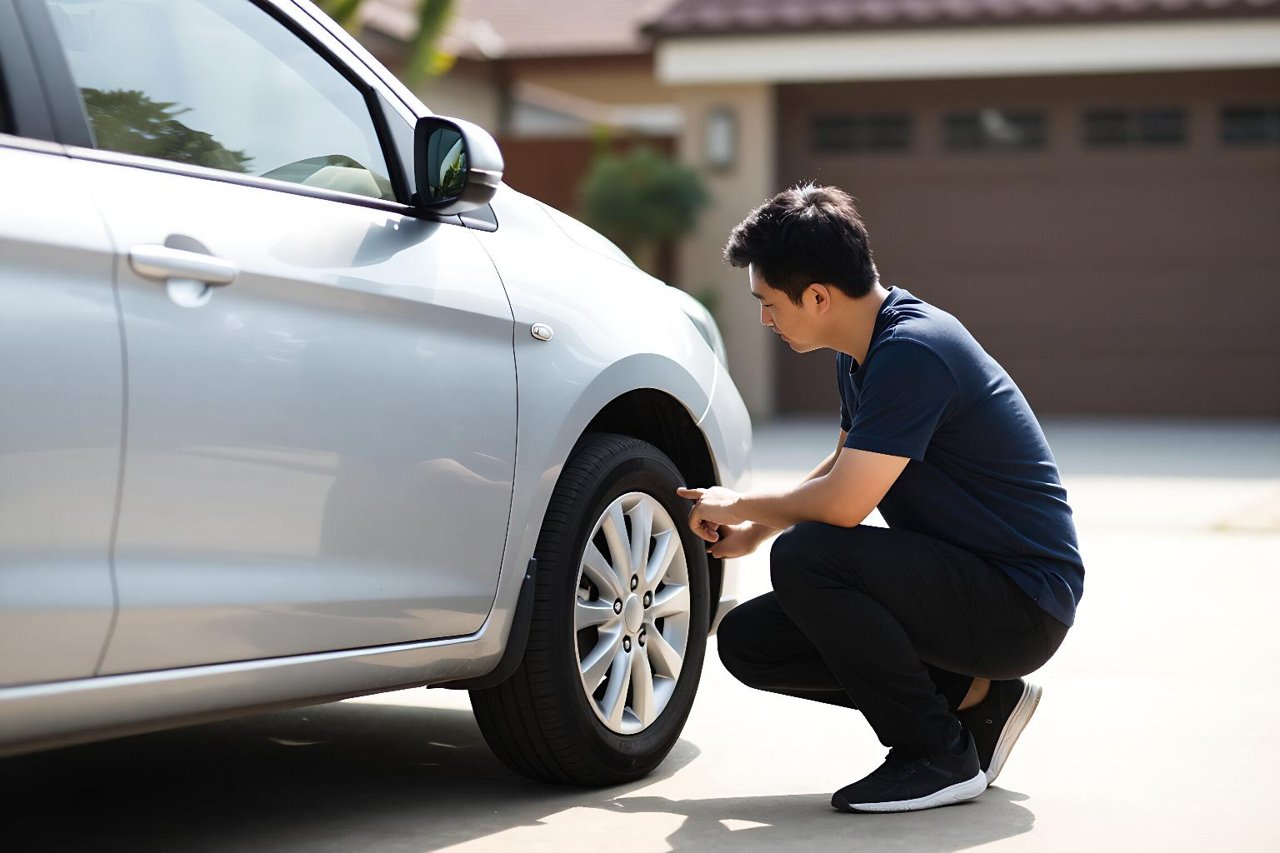
Do these checks yourself in the driveway, too: shine a light along the body panels for mismatched paint, check the four-digit date codes on the tires (anything past six years old needs replacing), pull the dipstick, look for water stains under the spare tire, and confirm the brake pedal doesn’t sink when held down at a stop.
Should a Used EV Make the Shortlist?
Sometimes, yes. The used clean vehicle credit knocks up to $4,000 off a qualified EV priced at $25,000 or less, and the dealer has to apply it at the point of sale. That puts 2017–2020 Nissan Leafs and Chevrolet Bolts within reach. Battery health matters more than mileage, so ask for a state-of-health reading before you commit; a typical pack loses 8 to 12 percent of its original range by 60,000 miles, and Bolts that received a replacement battery under the recall are the ones to hunt for. If you want the wider picture on what’s out there, our rundown of the cheapest electric cars you can actually buy in 2025 is a useful starting point.
Stretching Every Dollar of the Budget
Buying privately usually saves $2,000 to $3,000 compared with a dealer lot, but you lose any warranty protection and take on more risk. If you have a car to offload, handle that separately from the purchase so the numbers stay honest, and use the tactics in this guide to get the best trade-in value before you sign anything.
Budget for the extras that surprise people. Sales tax, title, and registration add 6 to 10 percent on top of the sticker price depending on where you live. A pre-purchase inspection, first-year insurance, and a set of tires can quietly add another $1,500.
If $20,000 is still a stretch, our list of the best used cars under $10,000 covers the budget tier below this one with the same focus on reliability.
Red Flags Worth Walking Away From
- “The title is at my cousin’s house” or any story other than a clean title in hand
- Fresh undercoating or heavy spray paint on the frame, often used to hide rust
- A seller who won’t allow an independent inspection, no exceptions
- Uneven tire wear or a steering wheel that’s off-center, which hints at frame or suspension damage
- Mileage that doesn’t line up with wear on the pedals, seats, and steering wheel
Any one of those is a reason to keep looking. The used market rewards patience: the right car at $18,500 will show up within a few weeks if you set alerts on three or four sites, check listings on weekday mornings before dealers update prices, and move fast when something clean appears. Walking away from a deal that feels off costs you nothing. Buying the wrong car costs you thousands.


