
Table of Contents
On a grey Tuesday in Los Angeles, a single photo of Zendaya in a vintage gown can do more for a fashion house than a full-page ad in Vogue. That is the strange power of celebrities and famous people: one image, one outfit, one offhand comment can redirect millions of dollars and billions of eyeballs. Fame is no longer a side effect of talent. It is an industry with its own supply chain, metrics, and casualties.
Fame Has a New Factory Floor
In the 1940s, a contract player at MGM had a studio, a dietitian, a voice coach, and a publicist deciding when and how the world would meet them. Today, a teenager with a ring light and a consistent posting schedule can reach more people before breakfast than a prime-time sitcom did in a week. The gatekeepers did not disappear. They changed jobs.
The highest-followed TikTok stars built audiences without a film studio, a record label, or a publicist’s rolodex. They learned the platform’s rhythm: hook in the first second, post when the audience is awake, and turn comments into the next video. That is not luck. It is a craft.
Talent Is the Entry Ticket, Not the Engine
Being good at something helps. It is not enough. The famous people who break through usually combine a clear skill with a clear point of view. A dancer who can explain their training. A chef who can make a failure funny. A musician who lets fans see the messy middle of a song. The skill gets attention. The point of view keeps it.

The Platform Is the Stage
Creators learn the grammar of each app the way actors learn blocking. A YouTube video can run 20 minutes; a Short has to land before the thumb moves. The same person might be calm and instructional on one platform, chaotic and reactive on another. That flexibility is now part of the job.
The Attention Economy Runs on Famous People
Attention is the currency, and famous people are the mint. Cristiano Ronaldo has more than 600 million Instagram followers. Taylor Swift’s Eras Tour became the first concert tour to gross over $2 billion. Those numbers are not just trivia. They are infrastructure. A famous person is a distribution channel that brands rent by the post.
This is why a celebrity endorsement can outperform a traditional ad campaign. The audience already has a relationship with the face. The face already has a reason to be trusted, or at least watched. The celebrities genuinely shaping culture in 2026 are not always the ones with the most awards. They are the ones who can move a conversation, a product, or a vote of confidence with a single appearance.
Why We Follow Celebrities
The relationship is not real, but the feeling is. Psychologists call it a parasocial bond: one-sided intimacy with someone who does not know you exist. It sounds cold. It is also deeply human. We watch someone rehearse for a role, recover from a breakup, or stumble on a red carpet, and our brains treat the story as part of our social world.
- Aspiration: We study their routines, homes, and career moves for clues about our own.
- Comfort: Familiar faces are a low-stakes companion at the end of a long day.
- Social glue: A group chat about a new album or a messy interview is a way to stay close.
- Control: We can judge, praise, or dismiss them without risking a real relationship.
That mix explains why celebrity gossip survives every prediction of its death. It is not just idle talk. It is a shared language.
The Price Tag of Being Famous
The headline numbers are absurd by design. A $500 million yacht and an $18 million watch are not just purchases. They are plot points. Some of it is genuine consumption. A lot of it is branding. A private jet is transport, content, and a statement about scale all at once.
The most expensive celebrity purchases, from $500 million yachts to $18 million watches, tend to say less about taste than about timing. A public figure buys something outrageous when they need the world to see them as a certain kind of winner. The object is a prop. The story is the product.
Wealth Is Part of the Performance
Fans often say they want celebrities to be relatable. They also reward spectacle. A star who posts a $12 salad and a star who posts a $12,000 handbag can both go viral, but for different reasons. One signals access. The other signals aspiration. The mistake is assuming either post is accidental.
The Hidden Costs
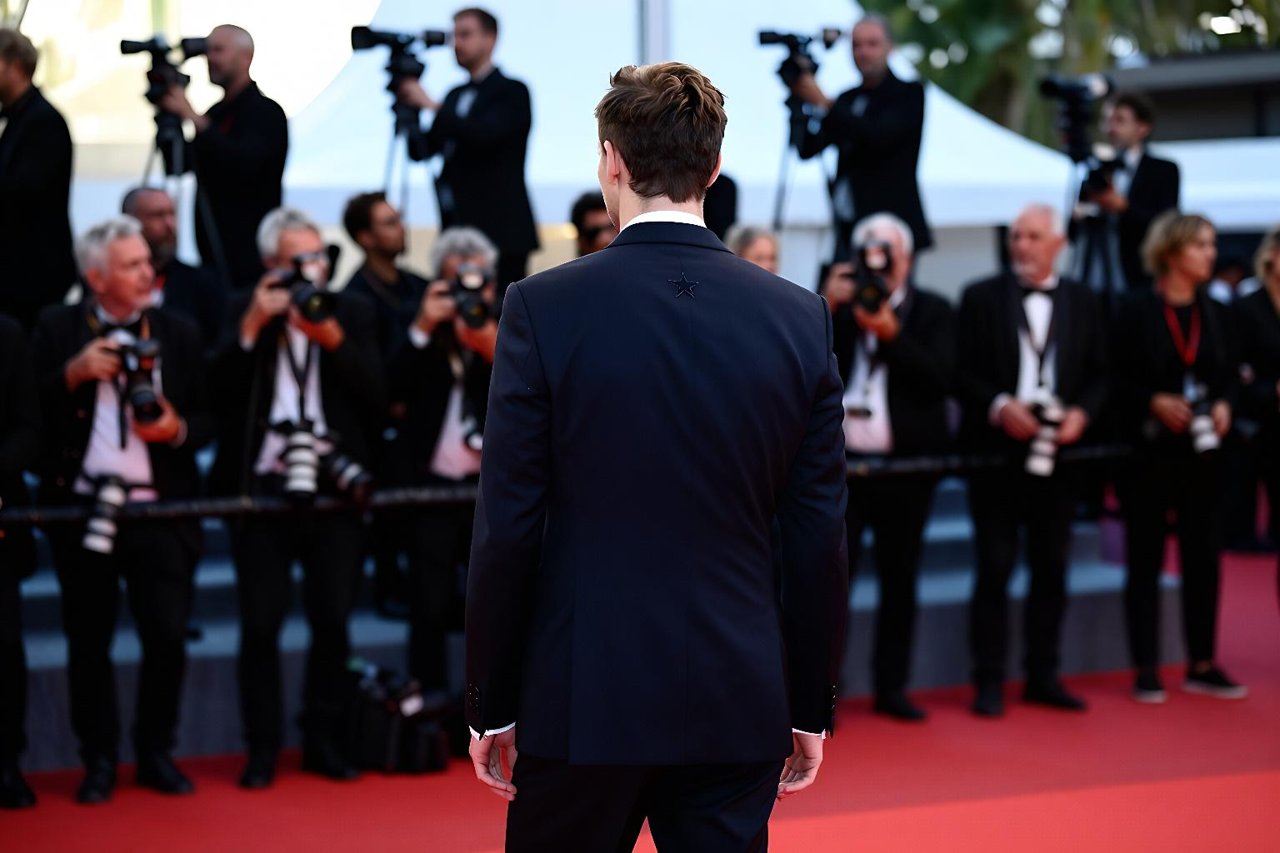
Privacy is the bill that never stops arriving. Paparazzi photos, leaked messages, and speculative headlines can turn a bad week into a permanent search result. The mental health toll is real, especially for young people who became famous before they had a public identity to protect.
Scandal Travels Faster Than Skill
A 12-second clip can undo a 12-year career. The internet archives everything, and the court of public opinion has no discovery process. A joke that landed in 2012 can resurface in 2026 with the context stripped out. A careless comment can become a brand crisis before lunch.
Celebrity apologies now follow a familiar script: acknowledge the hurt, avoid excuses, name the specific behavior, and say what changes next. The public is not stupid. Audiences can tell the difference between a statement drafted by a lawyer and a person actually reckoning with the mess. Redemption arcs are possible. They are not guaranteed.
What Makes a Celebrity Last?
Longevity is a different game from virality. Taylor Swift rerecorded her early albums to own her masters, turning a business dispute into a narrative her fans could join. Dolly Parton has spent decades building a persona that can survive jokes, tributes, and reinvention. Ryan Reynolds turned a superhero misfire into a business portfolio. The common thread is control.
Famous people who last tend to share a few habits. They protect a private life instead of selling all of it. They invest in craft, not just content. They know when to disappear. They let the audience miss them. The ones who burn out often mistake attention for trust and coverage for credibility.
Celebrity culture will keep producing new faces, new scandals, and new fortunes. The famous people who matter are the ones who give us a reason to check back next year, not just the ones who win this hour.


