
Table of Contents
Climate change is no longer a distant threat—it’s here, reshaping ecosystems, weather patterns, and even the deepest parts of our oceans. While headlines often focus on melting ice caps and record heatwaves, some of the most startling insights are emerging from unexpected places: the abyssal plains of the ocean, ancient human history, and even the study of nuclear accidents. This article explores what these diverse fields reveal about our warming world and what they mean for the future.
The Ocean’s Role in Climate Regulation
The ocean absorbs about 90% of the excess heat from greenhouse gases and roughly 30% of human-caused carbon dioxide. Without this buffer, global temperatures would have risen far more dramatically. But this service comes at a cost: ocean warming, acidification, and deoxygenation are altering marine life from the surface to the seafloor.
Deep-Sea Discoveries and Climate Clues
Recent ocean discoveries that are rewriting the story of our planet show that the deep sea is not a static, unchanging realm. Scientists have found that deep-sea currents are slowing down, which could reduce the ocean’s ability to store carbon. Meanwhile, strange creatures adapted to extreme pressures and cold are being studied for their resilience—or vulnerability—to warming waters. For instance, the strangest deep sea creatures on Earth, like the barreleye fish and the giant isopod, may serve as sentinels for ecosystem shifts that ripple up the food chain.
Learning from the Past: Human Evolution and Climate Shifts
Climate change is not a new phenomenon. Our ancestors weathered dramatic shifts in temperature and sea level. The story of human evolution is intimately tied to climate: periods of drought in Africa spurred bipedalism, while ice ages forced migrations and innovation. By studying how ancient humans adapted—or failed to—we gain perspective on our own challenges.

Ancient Civilizations and Climate Collapse
Some of the most advanced ancient civilizations crumbled when climate turned against them. The Maya, for example, experienced prolonged droughts that likely contributed to their decline. The Akkadian Empire fell after a 300-year drought. These examples serve as cautionary tales: even sophisticated societies can be undone by rapid environmental change, especially when they overexploit resources.
The Unlikely Parallel: Nuclear Accidents and Environmental Resilience
It may seem odd to link climate change with nuclear disasters, but both involve long-term environmental contamination and ecosystem recovery. The 10 deadliest civilian nuclear accidents, like Chernobyl and Fukushima, created exclusion zones where wildlife has rebounded in the absence of humans. This unintended experiment shows nature’s resilience—but also its limits. Radiation persists, and some species show genetic damage. Similarly, climate change leaves a lasting chemical footprint: carbon dioxide remains in the atmosphere for centuries.
What the Deepest Oceans Tell Us About Our Future
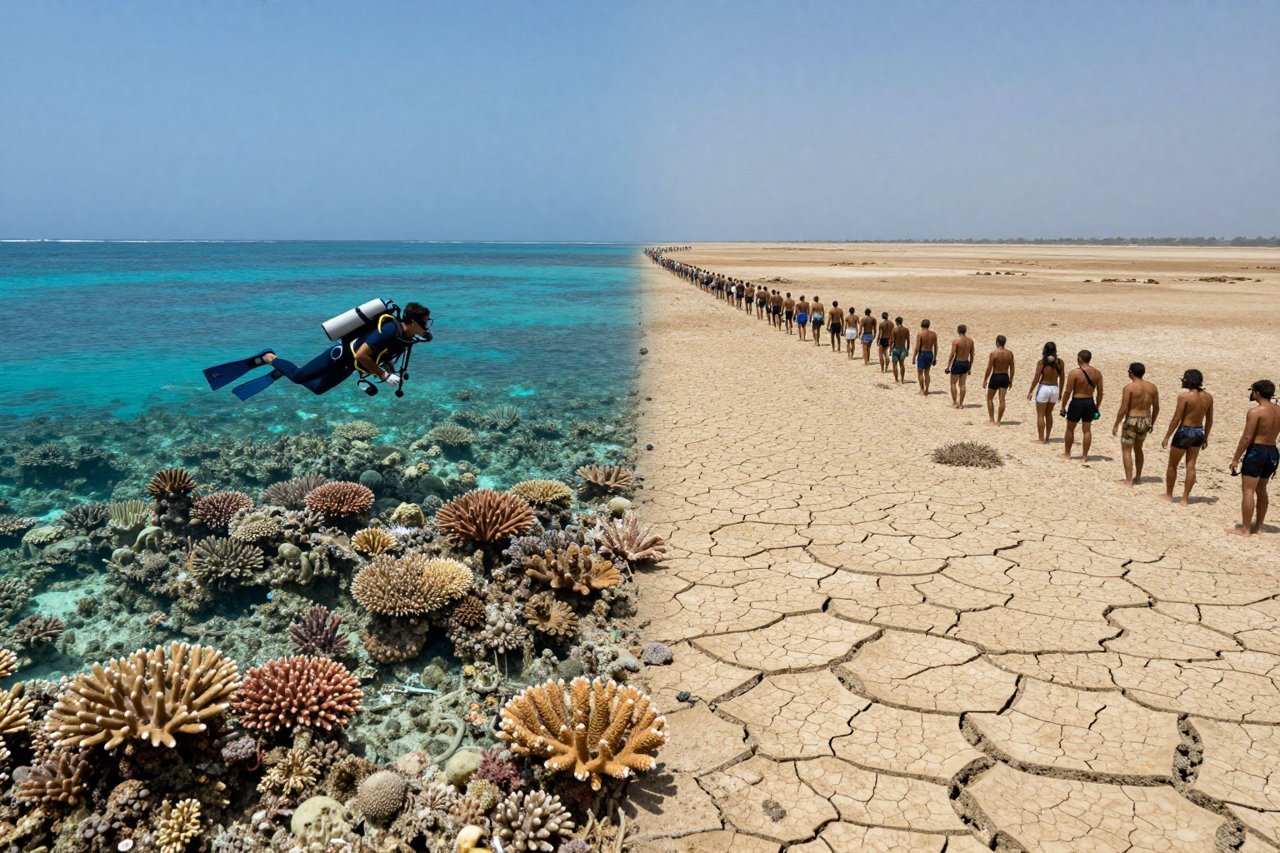
Beneath the waves, the impacts of climate change are accelerating. Warmer waters hold less oxygen, creating dead zones. Coral reefs bleach and die. But the deep sea, once thought immune, is also feeling the heat. As we explore the abyss, we discover not only bizarre life forms but also clues about how the planet’s carbon cycle works—and how it might break.
Creatures of the Deep as Climate Indicators
Some of the ugliest creatures on Earth, like the blobfish or the goblin shark, live in environments that are changing faster than expected. Their slow metabolisms and specialized adaptations make them particularly sensitive to temperature shifts. Scientists are now monitoring deep-sea ecosystems as early warning systems for broader oceanic changes.
What Can Be Done?
Addressing climate change requires a multi-pronged approach: reducing emissions, protecting natural carbon sinks like forests and oceans, and investing in adaptation. But individual actions matter too. Cutting food waste, choosing renewable energy, and supporting policies that limit carbon pollution all add up. The lessons from history and the deep sea remind us that change is possible—but only if we act before tipping points are crossed.
The ocean’s depths and our own past hold keys to understanding climate change. By listening to what they teach us, we can navigate the challenges ahead with greater wisdom and urgency.


