
Table of Contents
Bulking isn’t just about shovelling down any calories. To build quality muscle without excessive fat gain, you need nutrient-dense foods that support recovery, fuel your workouts, and provide a steady calorie surplus. Here are the best foods for bulking, broken down by their role in your diet.
Why Whole Foods Matter in a Bulking Diet
A calorie surplus is necessary for growth, but the source of those calories determines whether you gain mostly muscle or mostly fat. Processed foods can spike insulin, promote inflammation, and lack the micronutrients needed for optimal testosterone and recovery. Whole foods, on the other hand, deliver protein, complex carbs, healthy fats, and fibre in a package that supports steady energy and hormonal health. So while a dirty bulk might fill you up fast, a clean bulk with the right foods will yield leaner results.
Protein Sources That Fuel Muscle Repair
Protein is the building block of muscle. Aim for 1.6–2.2 grams per kilogram of body weight daily. These are the top choices:
Chicken Breast
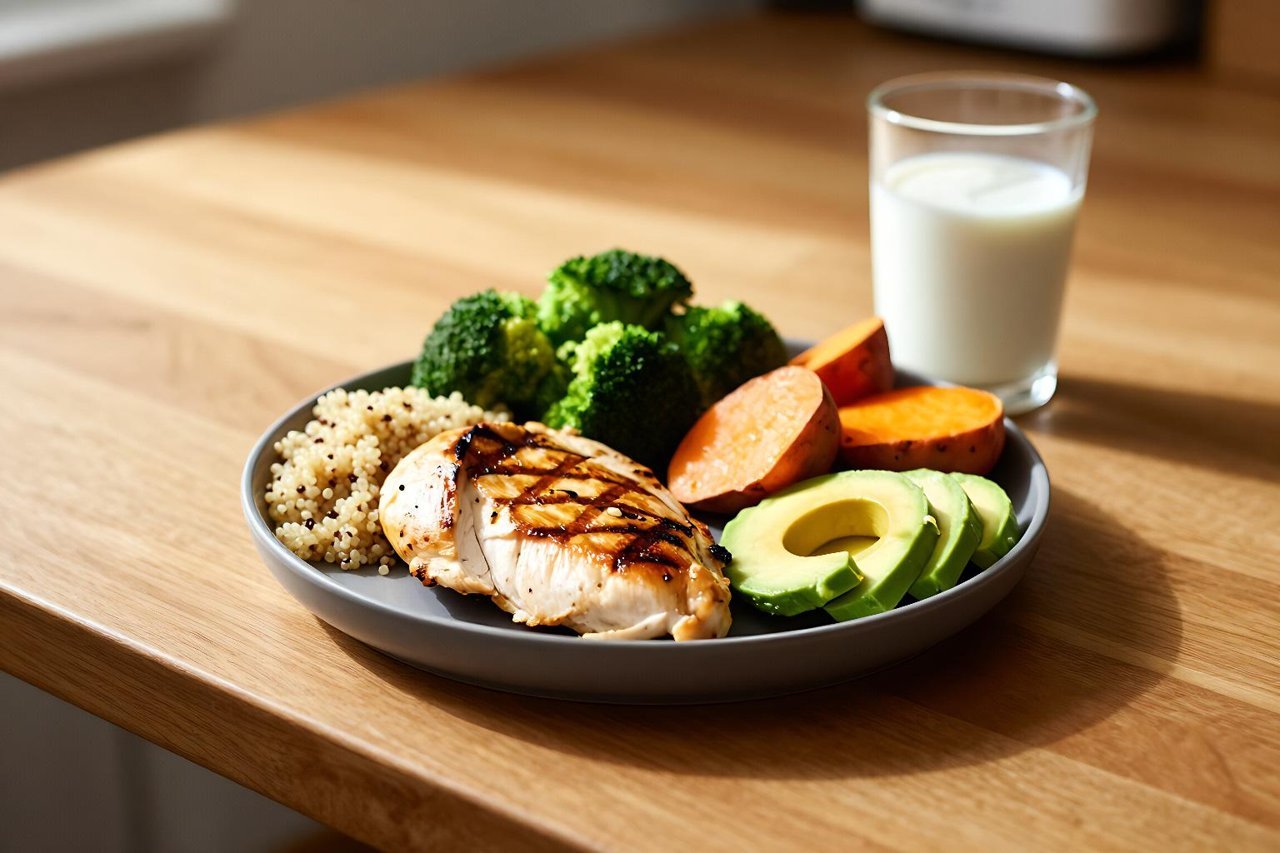
Lean, versatile, and packed with 31 grams of protein per 100 grams. Chicken breast is a staple for a reason. It pairs well with rice and vegetables for a classic bulking meal.

Eggs
One large egg provides 6 grams of protein plus healthy fats and choline. Many bodybuilders eat 3–4 whole eggs daily, but if you’re watching cholesterol, the yolk still contains important nutrients. For a high-protein start, try three scrambled eggs with spinach and cheese.
Greek Yogurt
Plain Greek yogurt packs 10 grams of protein per 100 grams, plus probiotics. It’s a convenient snack or base for smoothies. Add some berries and oats for a balanced bulking breakfast.
Lean Beef
Beef provides high-quality protein, creatine, zinc, and iron. A 150g serving of sirloin delivers about 37g protein. Red meat can be part of a bulking diet 2–3 times per week.
Fish
Salmon, tuna, and mackerel offer protein plus omega-3 fatty acids, which reduce inflammation and support joint health during heavy training. A 150g salmon fillet has about 30g protein and 15g fat.
For a deeper look at structuring your protein intake, check out The Ultimate High Protein Diet for Muscle Gain: A Practical Guide.
Complex Carbohydrates for Training Energy
Carbs are your body’s preferred fuel. They replenish glycogen stores, improve performance, and aid recovery. The best carb sources for bulking are minimally processed and nutrient-dense.
- Oats: 100g of rolled oats contains about 370 calories, 66g carbs, and 10g protein. Steel-cut oats have a lower glycemic index. Add milk, protein powder, and nuts for a calorie-dense meal.
- Brown Rice: A cup of cooked brown rice provides 220 calories and 45g carbs. It’s a neutral base for any protein source.
- Sweet Potatoes: One medium sweet potato has about 115 calories, 27g carbs, and 4g fibre. It’s rich in vitamin A and potassium, which supports hydration.
- Whole Wheat Pasta: 100g cooked offers 150 calories and 30g carbs. Combine with lean beef and tomato sauce for a classic post-workout meal.
- Quinoa: A complete protein (8g per 100g cooked) plus 25g carbs. Quinoa is versatile: use it in salads, bowls, or as a side.
- Jowar (Sorghum): This ancient grain is gluten-free and packed with slow-digesting carbs, fibre, and iron. Learn more about its benefits and how to use it in Jowar (Sorghum) – Benefits, Nutrition Value, & Recipes.
Healthy Fats for Calorie Density and Hormone Health
Fats pack 9 calories per gram, making them essential for hitting a surplus without eating massive volumes. They also support testosterone production and joint health.
Avocados
A whole avocado has about 250 calories, 23g fat, and 10g fibre. Mash it on toast or add to smoothies for creaminess.
Nuts and Nut Butters
Almonds, walnuts, and peanuts are calorie-dense. A handful of almonds (28g) provides 160 calories and 6g protein. Two tablespoons of peanut butter add 200 calories to a shake.
Olive Oil and Avocado Oil
Drizzle over vegetables or use in cooking to add 120 calories per tablespoon without extra volume.
Fatty Fish
Salmon and sardines also contribute healthy fats while boosting protein intake.
Calorie-Dense Add-Ons to Ease Your Surplus
If you struggle to eat enough, these foods boost calories without adding much bulk:
- Dried fruit: Dates, raisins, and apricots are 3–4 times more calorie-dense than fresh fruit. 50g of dates has about 140 calories.
- Full-fat dairy: Whole milk (150 calories per cup) and cheese add protein and fat. Drink a glass after workouts.
- Granola: Look for options low in sugar but high in oats and nuts. A 100g serving can hit 450 calories.
- Protein shakes: While whole food is ideal, a quality protein powder can help you hit your daily target. For guidance on choosing one, see Best Protein Powder For Women Weight Loss: A Complete Guide (the principles apply to bulking too).
Sample Bulking Day Meal Plan
Here’s a realistic day for a 175 lb (79 kg) male aiming for ~3,000 calories:
- Breakfast: 3 scrambled eggs + 1 cup oatmeal with 1 tbsp peanut butter and 1 banana (≈700 kcal).
- Lunch: 200g chicken breast + 1.5 cups brown rice + broccoli with 1 tbsp olive oil (≈850 kcal).
- Snack: 1 cup Greek yogurt + 1 apple + 1/4 cup almonds (≈450 kcal).
- Dinner: 200g salmon + 1 large sweet potato + asparagus with butter (≈800 kcal).
- Post-workout: 1 scoop protein powder mixed with 300ml whole milk (≈250 kcal).
Total: ~3,050 calories, 180g protein, 300g carbs, 110g fat. Adjust portions based on your weight and activity.
Adjusting Your Bulking Diet for Your Body
Everyone responds differently. Some thrive on higher fat, others on more carbs. Track your weight and strength weekly. If you gain more than 0.5–1 lb per week, reduce calories slightly. If progress stalls, add 200–300 calories from healthy fats or carbs. The best foods for bulking are the ones you can eat consistently while still digesting well. Experiment with one new ingredient each week, and pay attention to how your stomach and energy levels react.
Finally, don’t forget micronutrients – especially zinc, magnesium, and iron, which are common in red meat and leafy greens. A multivitamin can help, but food comes first. Stay hydrated and sleep 7–9 hours to maximize recovery. With the right foods and slight surplus, you’ll build lean muscle without feeling stuffed or fatigued.


