
Table of Contents
Rub a spearmint leaf between your fingers and you get something sweet and green, almost like bubblegum. Do the same with peppermint and the hit is sharper, colder, closer to toothpaste. They look similar in a supermarket punnet, but swapping one for the other can wreck a mojito or turn a delicate pea salad into mouthwash. Knowing your mint varieties, and which leaf suits which job, is the difference between a herb you use once and one you reach for all summer.
Spearmint, Peppermint and Why the Difference Matters
Almost every culinary mint on a garden centre shelf belongs to one of two species. Spearmint (Mentha spicata) gets its flavour from carvone, with only a trace of menthol. That is why it tastes gentle and grassy. Peppermint (Mentha × piperita) is a natural hybrid of watermint and spearmint, and it carries 35 to 45 percent menthol in its oil. It is sterile, so it never sets viable seed and has to be grown from runners or cuttings.
In the kitchen, the rule of thumb is simple. Spearmint goes into food. Peppermint goes into tea, sweets and anything where you want that cooling punch. Tearing peppermint into a tabbouleh will flatten the parsley. Dropping spearmint into a chocolate dessert leaves you wishing for more bite.
The Mint Varieties Worth Growing or Hunting Down
Common spearmint
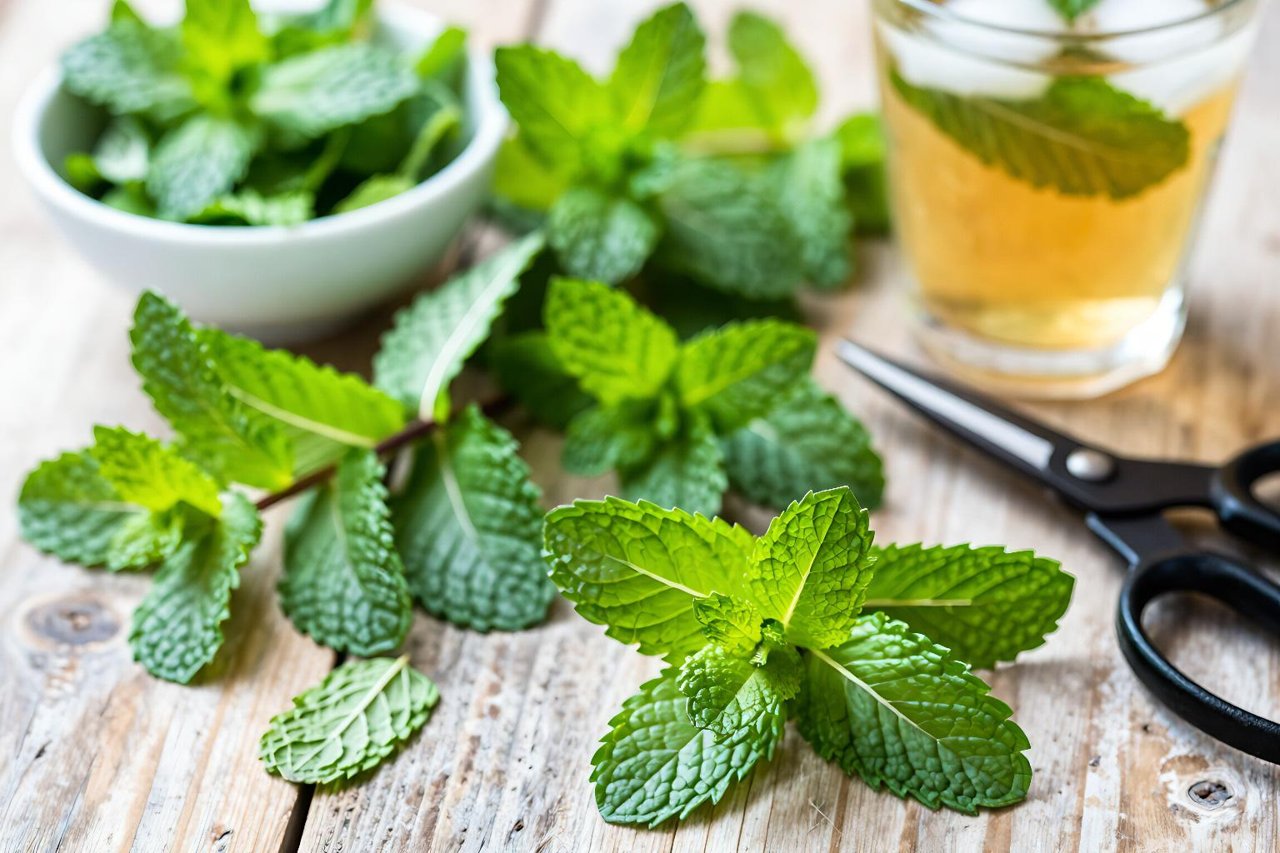
Bright green, slightly crinkled leaves with serrated edges and a soft, sweet finish. This is the all-rounder: salads, chutney, mint sauce for lamb, mojitos, and a handful tossed into boiled new potatoes with butter.

Moroccan mint
A spearmint variety with narrow, deeply veined leaves and a cleaner, more intense flavour. If you have ever had proper Moroccan mint tea, poured from a height so it froths, this is the leaf in the glass. It also holds up well in hot liquid without turning bitter.
Peppermint
Darker foliage, often with purple-tinged stems, and a fierce cooling finish. Use it for infusions, mint sugar, or a digestive cup after a heavy meal. A little goes a long way: two or three leaves will scent a whole pot of tea.
Chocolate mint
A peppermint cultivar with bronze-green leaves and an aroma that genuinely recalls a chocolate peppermint patty, even though no cocoa is involved. It is excellent chopped into whipped cream or steeped in hot milk for a homemade mint hot chocolate.
Apple mint and Bowles’s mint
Apple mint has large, fuzzy, rounded leaves and a mild, fruity flavour, which makes it the gentlest choice for fruit salads and cold soups. Bowles’s mint, sometimes sold as mojito mint, has smoother leaves and a warmer, less aggressive taste. Several cocktail bars grow it specifically for that reason.
Pennyroyal: grow it, don’t eat it
Pennyroyal is a mint relative with a Creeping Charlie habit and a strong, almost medicinal smell. It contains pulegone, which is toxic to the liver in meaningful quantities. Keep it as a garden plant and a traditional ant deterrent, and leave it out of the salad bowl.
Picking and Storing Fresh Leaves
Cut mint in the mid-morning, once the dew has dried but before the sun has had hours to bake the oils out of the leaves. Snip whole stems just above a pair of leaves rather than plucking individual leaves, and the plant will push out fresh growth from that point within a fortnight.
For storage, treat a bunch like cut flowers. Trim the ends, stand the stems in a glass with an inch of water, and loosely cover the top with a plastic bag. It will keep on a cool counter for up to a week. Alternatively, wrap the stems in damp kitchen paper and bag them in the fridge, and don’t wash the leaves until you are about to use them, since wet foliage goes slimy fast.
Drying mint is possible but disappointing. Much of the bright, volatile aroma that makes the fresh leaf worth having disappears, leaving something hay-like. If you have a glut, freeze instead: chopped leaves pressed into ice cube trays with water, or blended with a little olive oil.
Ways to Use Fresh Mint Leaves
Drinks
- Mint tea: a generous bunch of spearmint, boiling water, five minutes, honey if you like. It is one of the traditional home remedies worth keeping in rotation, and it sits comfortably alongside other soothing herbal teas for a scratchy throat.
- Mojito: press the leaves against the glass with a muddler just until they release their scent. Shredding them releases chlorophyll and turns the drink grassy and bitter.
- Mint lemonade or lassi: blend 40g of leaves with lemon juice, sugar and 500ml of water, then strain. In a lassi, swap the water for yoghurt and add a pinch of salt.
- Cold infusion: a handful of leaves in a jug of water left overnight in the fridge gives you a mild, faintly sweet drink for hot afternoons.
Savoury cooking
Mint is used as a vegetable in some cuisines, not just a garnish. In a proper tabbouleh, it makes up roughly a quarter of the herb volume alongside parsley. A green chutney of mint, coriander, green chilli, lime juice and salt takes two minutes in a blender and keeps for a week in the fridge. Indian raita, Thai larb, Vietnamese spring rolls and Turkish stuffed vine leaves all lean on it too.
Timing matters. Mint loses its fragrance quickly in heat, so stir it in during the last 30 seconds of cooking, or scatter it over the finished dish. Peas, lamb, feta, aubergine, cucumber and yoghurt are its natural partners.
Sweet things
Macerate sliced strawberries with a tablespoon of sugar and a few torn leaves for 15 minutes and the juices turn fragrant. Push mint leaves into caster sugar, blitz, and sieve for instant mint sugar to dust shortbread. Or steep a large handful in warm cream, strain, and churn for mint chocolate chip ice cream that tastes nothing like the supermarket version.
Around the house
Mint tea that has gone cold makes a pleasant final rinse for hair. A pot of mint on a windowsill is said to discourage flies, and pennyroyal planted near a doorway is an old remedy for ants. None of these are miracles, but they cost nothing.
Growing Mint Without Losing the Whole Garden
Mint spreads by underground runners that can travel 60cm in a single season. Plant it straight into a border and you will be pulling it out of the lawn two summers later. Either sink a pot with its rim 5cm above soil level so runners cannot escape over the top, or simply keep the plant in a container on paving.
Four to six hours of sun gives the strongest flavour, though in very hot climates afternoon shade keeps leaves tender rather than leathery. Cut the plant back hard in midsummer, to about 10cm above the soil, and it will reward you with soft new growth in two weeks. Pinch out flower buds as they appear, because once mint flowers the leaves turn tough and the aroma fades. Divide crowded pots every two or three years, replanting the youngest, healthiest roots.
Small Tricks That Make Fresh Mint Taste Better
Bruise leaves rather than chopping them to dust. A gentle press with the back of a spoon or a light muddle releases the oils without releasing the bitterness locked in the leaf tissue.
Acid protects colour. A squeeze of lime in mint chutney keeps it vivid green instead of turning olive brown within an hour, because the acid slows the enzyme that breaks down chlorophyll.
Mint needs a partner to taste right. On its own it can read as flat, so pair it with fat (yoghurt, butter, cream, lamb) or with sharpness (lemon, vinegar, chilli). A pinch of salt in a mint and cucumber salad does more for the flavour than twice as many leaves would.
Buy or pick small amounts often. A big bunch wilts before you can use it, whereas a few stems cut twice a week keep you supplied from May until the first frost.


