
Table of Contents
If you live with eczema, you know the drill: dry, itchy patches that just won’t quit. Finding the right eczema cream can feel like a never-ending quest. Some products promise miracles but leave your skin greasy and still irritated. Others are too lightweight to lock in moisture. But when you land on the perfect match, it’s a game-changer. So what should you be looking for? And how do you use it to get the best results?
What Makes a Good Eczema Cream?
Not all creams are created equal. Eczema-prone skin has a compromised skin barrier, so it loses water easily and lets irritants in. A good eczema cream needs to do three things: hydrate, repair the barrier, and calm inflammation.
Key Ingredients to Look For
- Colloidal oatmeal – This finely ground oatmeal forms a protective film on the skin, soothing itch and reducing inflammation. It’s one of the few ingredients the FDA has approved as a skin protectant for eczema.
- Ceramides – These lipid molecules are the building blocks of a healthy skin barrier. Eczema skin typically has fewer ceramides, so replenishing them helps repair cracks and lock in moisture.
- Shea butter – Rich in fatty acids and vitamins, it provides intense hydration without being too greasy.
- Petrolatum – The gold standard for sealing in moisture. It’s simple, effective, and rarely causes allergies.
- Urea or lactic acid – These humectants draw water into the skin and gently exfoliate dead flakes. Look for low concentrations (5–10%) to avoid stinging.
- Niacinamide – A form of vitamin B3 that calms redness and supports barrier repair.
Ingredients to Avoid
Steer clear of fragrances, essential oils, alcohol (like isopropyl or SD alcohol), and harsh preservatives. Even “natural” essential oils can be irritants. Check labels carefully—if you see “parfum” or “fragrance,” put it back. Your skin will thank you.
Types of Eczema Creams: Which One Is Right for You?
Eczema creams come in various forms, and the best choice depends on your skin’s needs and the severity of your flare-up.

Over-the-Counter (OTC) Creams
These are your first line of defense. They range from lightweight lotions to thick ointments. Lotions have more water and are best for mild dryness or daytime use. Creams are thicker and more emollient, great for moderate eczema. Ointments like petroleum jelly or aquaphor are the most occlusive—they create a seal that keeps water in but can feel heavy. For a run-down of proven products, check out 7 Best Eczema Creams To Help You During Flare-Ups for dermatologist-recommended options.
Prescription Creams
If OTC creams aren’t enough, your doctor may prescribe a topical corticosteroid or a non-steroidal option like crisaborole. These are stronger and target inflammation directly. Use them exactly as directed—overusing steroids can thin the skin.
How to Apply Eczema Cream for Maximum Benefit
Application technique matters just as much as the product itself. Here’s how to get the most out of your eczema cream:
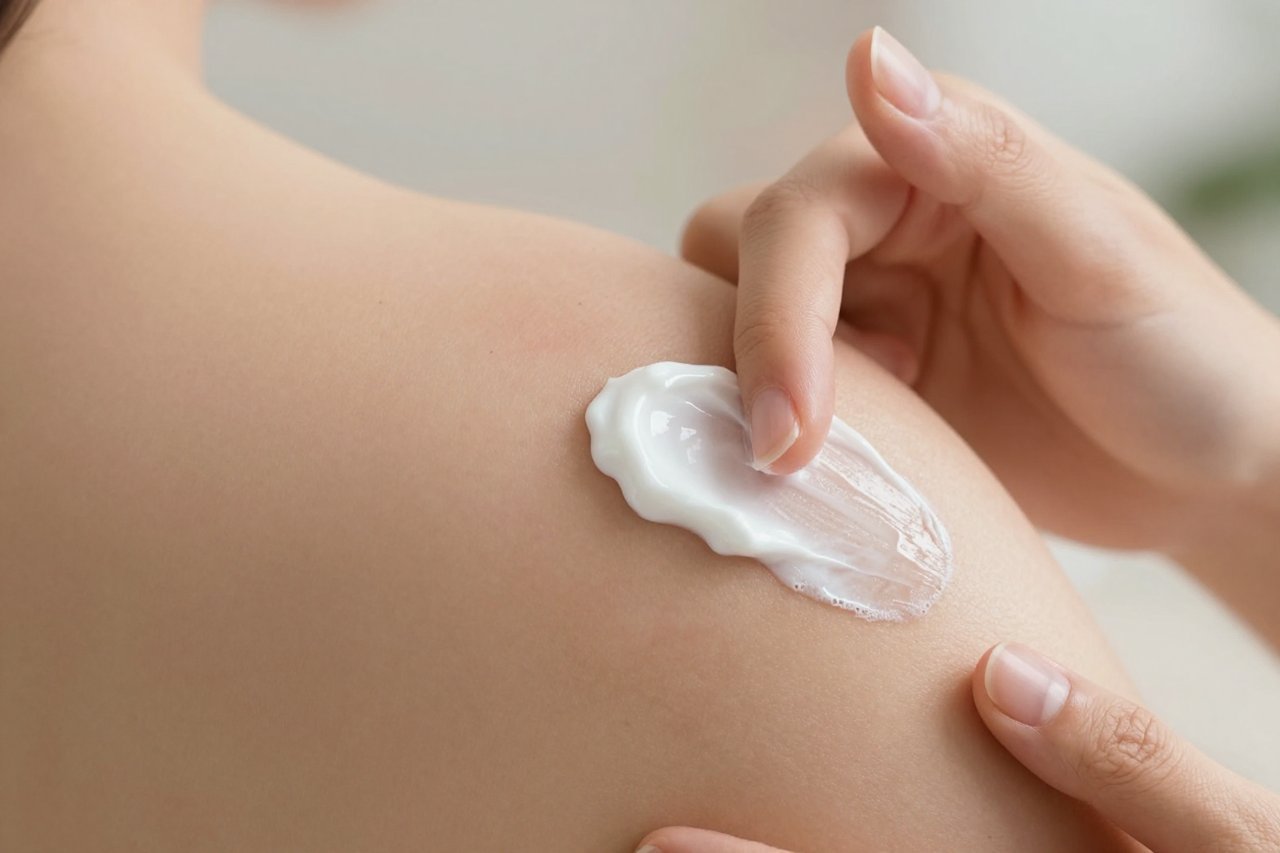
- Apply after bathing. Pat your skin dry with a towel (don’t rub), leaving it slightly damp. Then apply the cream within three minutes. This locks in moisture from the water.
- Use enough. Don’t be stingy. A thin layer won’t cut it. Use a generous amount and spread it evenly over the affected area. For the whole body, you might need a tablespoon or more.
- Apply in the direction of hair growth. This reduces the risk of folliculitis (inflamed hair follicles).
- Layer wisely. If you’re using a prescription cream, apply it first, wait 10–15 minutes, then apply your moisturizer. For a good night-time routine, consider pairing your cream with a product like those in these night creams that give you glowy, hydrated skin by morning.
Complement Your Cream with the Right Cleanser
What you wash with matters. Harsh soaps strip the skin of natural oils, making eczema worse. Switch to a gentle, fragrance-free cleanser formulated for sensitive skin. Many people find that using a moisturizing body wash helps prepare the skin for cream. For recommendations, see 7 Best Body Washes for Eczema, According to Dermatologists.
When Eczema Cream Isn’t Enough
If your skin doesn’t improve after a few weeks of consistent moisturizing, or if you notice signs of infection (yellow crusting, oozing, increased redness, fever), see a dermatologist. You may need a stronger prescription or treatment for an underlying infection. Also, if itch keeps you up at night, your doctor can suggest antihistamines or other strategies.
Sometimes eczema appears on visible areas like the face or hands, and you might want to cover it up. While concealer isn’t a treatment, it can help you feel more confident during a flare. A great option is the one Amanda Seyfried uses—find out more in this article about her go-to concealer for eczema.
Building a Routine That Works
Consistency is key. Eczema is a chronic condition that requires daily maintenance, not just spot treatment. Make applying eczema cream a habit—every morning and every night, without fail. Pair it with an eczema-friendly body wash, humidity control (use a humidifier in dry climates), and soft, breathable fabrics like cotton. And always patch-test new products on a small area before slathering them all over. Over time, you’ll learn what your skin loves and what triggers a flare. The right cream, applied the right way, can make all the difference.


